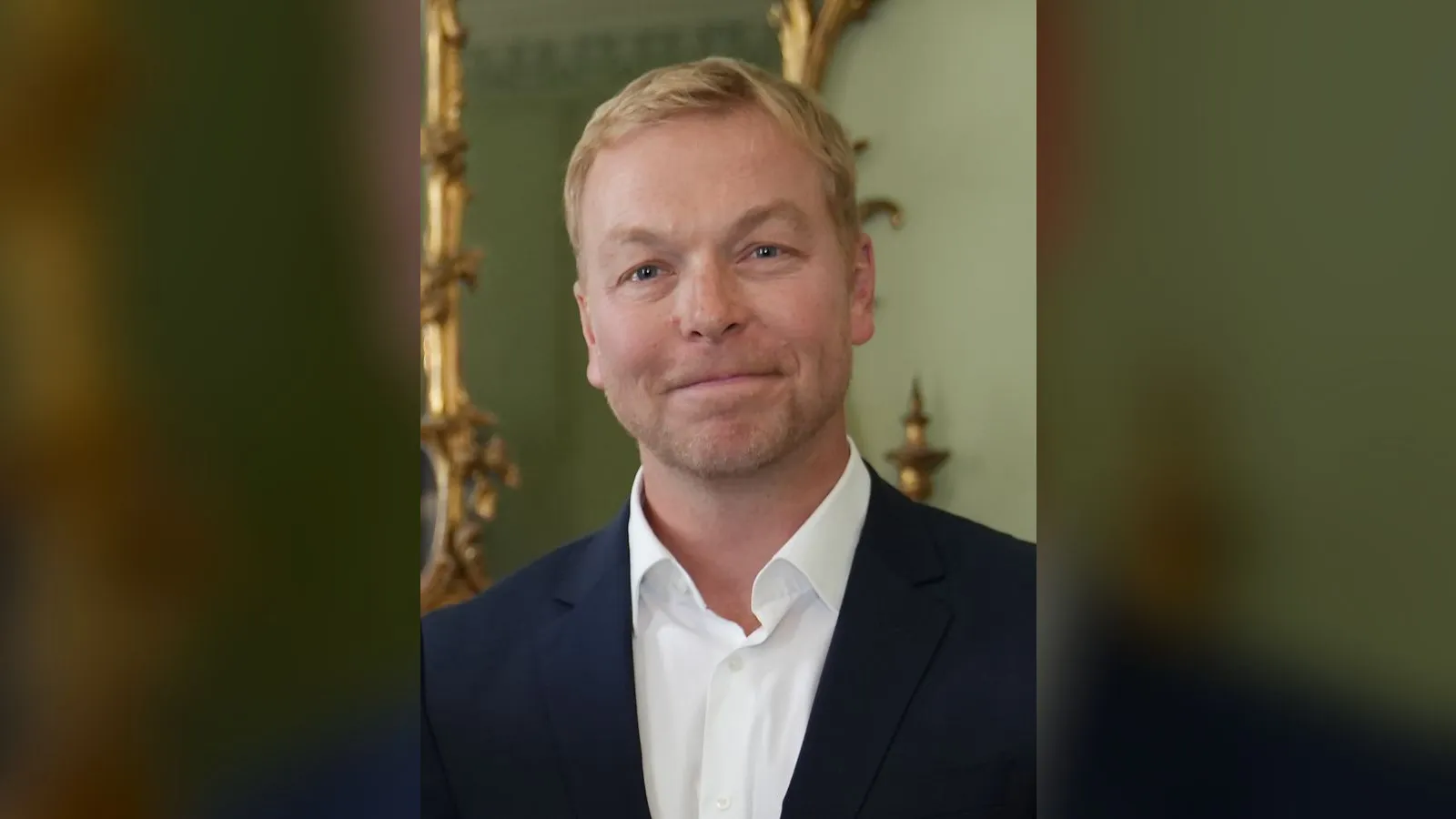

Sir Chris Hoy (b. 1976)
Contents
TL;DR
- established Hoy won six Olympic gold medals across four Games (2000–2012), becoming, at the time, Britain's most successful Olympian by gold medal count, and the first British male athlete to win three golds at a single Olympics since 1908.
- established He began competitive cycling in BMX racing, not track cycling, ranking among the world's best BMX juniors before switching disciplines in his teens.
- established In September 2023, after experiencing shoulder pain, he was diagnosed with stage 4 prostate cancer; in October 2024 he disclosed publicly that the cancer had spread to his bones and was terminal, with a prognosis of two to four years to live — a serious and sobering disclosure reported here plainly and with full weight, not softened or minimised.
- established Within weeks of Hoy's own diagnosis, his wife, Sarra, was separately diagnosed with multiple sclerosis — two life-altering medical diagnoses affecting the same family in close succession, which both have spoken about publicly.
- established Hoy's public disclosure of his diagnosis prompted a documented, nearly sevenfold increase in people seeking NHS prostate cancer advice, and contributed to a UK government review of prostate cancer screening policy.
Key Facts
- Born
- Christopher Andrew Hoy, 23 March 1976, Edinburgh, Scotland
- Known for
- Six Olympic gold medals in track cycling (2000–2012); eleven World Championship titles
- Honours
- MBE (2005); Knighted (2009); Freedom of Edinburgh (2013); Freedom of the City of London (2025)
- Spouse
- Sarra Kemp (m. 2010)
- Diagnosis
- Stage 4, terminal prostate cancer (diagnosed September 2023; disclosed publicly February 2024; confirmed terminal October 2024)
Scottish Impact Index (SI Score)
- Global Influence
- 7/10
- Enduring Relevance
- 6/10
- Material Contribution
- 4/10
- Exceptional Achievement
- 5/10
- Lasting Legacy
- 5/10
- Recognition
- 7/10
34/60
Ranked =67th of 200 in Great Scots
A Note on Claims and Evidence
Hoy's competitive record, medals, and honours are extensively and precisely documented and treated as Established. His cancer diagnosis, prognosis, and his and his wife's public statements about it are reported here as directly stated medical and personal facts, given the gravity and directness with which both have chosen to discuss them publicly. This article does not speculate beyond what has been disclosed.
Timeline
Born in Edinburgh.
Begins cycling, aged six, reportedly inspired by the film E.T. the Extra-Terrestrial.
Competes in BMX racing, ranking among the best in Britain, Europe, and the world at junior level.
Commits to track cycling with the City of Edinburgh Racing Club.
Graduates from the University of Edinburgh with a BSc in Applied Sports Science.
Wins Olympic silver in the team sprint.
Wins Olympic gold in the 1km time trial, setting a sea-level world record.
Appointed MBE.
Wins three Olympic golds (sprint, team sprint, keirin), becoming the first British male athlete to win three golds at one Olympics since 1908.
Knighted for services to sport.
Marries Sarra Kemp at St Giles' Cathedral, Edinburgh.
Wins two further Olympic golds (team sprint, keirin), taking his total to six and surpassing Sir Steve Redgrave's British Olympic gold-medal record.
Retires from competitive cycling; granted the Freedom of Edinburgh; the Sir Chris Hoy Velodrome opens in Glasgow.
Wins the LMP3 class championship in the European Le Mans Series.
Diagnosed with stage 4 prostate cancer after experiencing shoulder pain.
Diagnosis publicly disclosed; confirmed to be undergoing chemotherapy.
Discloses the cancer has spread to his bones and is terminal, with a prognosis of two to four years to live; around the same period, his wife Sarra is separately diagnosed with multiple sclerosis.
Awarded the Freedom of the City of London.
Details
From BMX to the Olympic velodrome
Hoy's path into elite cycling began not on the track but in BMX racing, which he took up at age six after watching E.T. the Extra-Terrestrial, reportedly drawn to the film's famous bicycle scenes. He competed seriously in BMX through his early teens, reaching rankings as high as second in Britain, fifth in Europe, and ninth in the world at junior level, before switching to track cycling in 1993 — a discipline switch that would ultimately define his career. He studied Applied Sports Science at the University of Edinburgh, graduating in 1999, shortly before his senior international career began in earnest.
An extraordinary Olympic record
Hoy's Olympic career spanned four Games and produced six gold medals and one silver — at the time of his retirement, the most gold medals won by any British Olympian. After a silver in the team sprint at Sydney 2000, he won his first gold at Athens 2004 in the 1km time trial, setting a sea-level world record. His Beijing 2008 campaign was historic in its own right: three gold medals (sprint, team sprint, and keirin) made him the first British male athlete to win three golds at a single Olympics since 1908, and Scotland's most successful Olympian. He added two further golds at London 2012 — in the team sprint and keirin — where he also carried the flag for Team GB, surpassing Sir Steve Redgrave's long-standing British Olympic gold medal record in the process. Across his career he also won eleven World Championship titles, a tally that places him among track cycling's most decorated competitors of all time.
Retirement and a varied second career
Hoy retired from competitive cycling in April 2013 and went on to build a varied public and sporting life afterward, including work as a BBC cycling commentator across multiple Olympic and Commonwealth Games, a competitive motorsport career that included winning the LMP3 class championship in the 2015 European Le Mans Series, and a bicycle brand, HOY Bikes. He also became a published author, including a 2009 autobiography and a children's fiction series.
A terminal cancer diagnosis, disclosed with directness
In September 2023, after experiencing shoulder pain, Hoy was diagnosed with stage 4 prostate cancer. His diagnosis was first made public in February 2024, when it was confirmed he was undergoing chemotherapy. In October 2024, Hoy disclosed further, more serious news: the cancer had spread to his bones and was terminal, with doctors giving him a prognosis of between two and four years to live. He has spoken about this with notable directness and composure in subsequent interviews, describing an intention to focus on "appreciating life" rather than being consumed by the prognosis, while also being candid that the diagnosis remains a serious and present reality rather than something he has simply moved past. In a further, deeply difficult turn for the family, his wife Sarra was separately diagnosed with multiple sclerosis within weeks of Hoy's own diagnosis becoming terminal — two serious, life-altering conditions affecting the same household in close succession, which both Hoy and his wife have discussed candidly in public. This article treats both diagnoses with the seriousness and directness the couple themselves have brought to discussing them, rather than minimising or glossing over the circumstances.
A public health legacy beyond sport
Hoy's decision to speak openly about his diagnosis has had a measurable public health effect: NHS England reported a nearly sevenfold increase in people seeking prostate cancer advice following his disclosure, and the UK's Health Secretary announced a review of prostate cancer screening policy that Hoy's advocacy is widely credited with helping to prompt. This represents a significant, documented public impact distinct from his sporting legacy, and reflects a deliberate choice by Hoy to use his public profile in the context of his own illness to encourage others toward earlier diagnosis and screening.
Did You Know?
- He began cycling as a child after being inspired by the bicycle scenes in the film E.T. the Extra-Terrestrial.
- Before switching to track cycling, he was ranked among the world's top ten BMX racers at junior level.
- His six Olympic gold medals made him, at the time, Britain's most decorated Olympian.
- He surpassed Sir Steve Redgrave's British Olympic gold medal record at the London 2012 Games.
- He went on to a competitive motorsport career after retiring from cycling, winning an LMP3 class championship at Le Mans in 2015.
- The Sir Chris Hoy Velodrome in Glasgow is named in his honour.
- His public disclosure of his terminal cancer diagnosis led to a nearly sevenfold increase in people seeking NHS prostate cancer advice.
- He and his wife, Sarra, were each diagnosed with serious, separate chronic illnesses — terminal cancer and multiple sclerosis — within weeks of each other.
FAQ
1How many Olympic medals did Chris Hoy win?
Six gold medals and one silver, across the 2000, 2004, 2008, and 2012 Olympic Games.
2What sport did he compete in before track cycling?
BMX racing, in which he ranked among the world's best junior competitors before switching disciplines in 1993.
3What is his current health situation?
He was diagnosed with stage 4 prostate cancer in September 2023. In October 2024, he disclosed that the cancer had spread to his bones and was terminal, with a prognosis of two to four years to live.
4Has his diagnosis had any wider impact?
Yes — his public disclosure prompted a near-sevenfold increase in people seeking NHS prostate cancer advice and contributed to a UK government review of prostate cancer screening policy.
5Is his wife also facing a health condition?
Yes — Sarra Hoy (née Kemp) was separately diagnosed with multiple sclerosis within weeks of Chris Hoy's own diagnosis becoming terminal; both have spoken about this publicly.
6When did he retire from competitive cycling?
In April 2013, following his sixth Olympic gold medal at London 2012.
7What has he done since retiring?
Worked as a BBC cycling commentator, pursued a competitive motorsport career including a class win at Le Mans, launched a bicycle brand, and authored several books, including a children's fiction series.
8Is there a landmark named after him?
Yes — the Sir Chris Hoy Velodrome in Glasgow.
Sources and Further Reading
Primary/Institutional
Scholarly/Critical
General
Caveats: Myths and Disputed Claims
- Often simplified: Hoy's diagnosis. It is sometimes reported in shorthand as simply "cancer". The documented detail is that it is stage 4, has spread to his bones, and carries a stated two-to-four-year prognosis.
- Two separate diagnoses. Hoy's wife's multiple sclerosis diagnosis is a separate medical condition from his own cancer, occurring independently but within a close timeframe; there is no connection between the two.
- Myth: his composure means the diagnosis is less serious. Hoy's public composure in discussing his prognosis is no indication that the diagnosis is anything other than serious and genuinely terminal; he has been direct that it remains a present and ongoing reality, not something resolved or overcome.
Finished reading? Try the Fact Machine: three reels, one surprising Scottish connection →
Card 131 · Great Scots