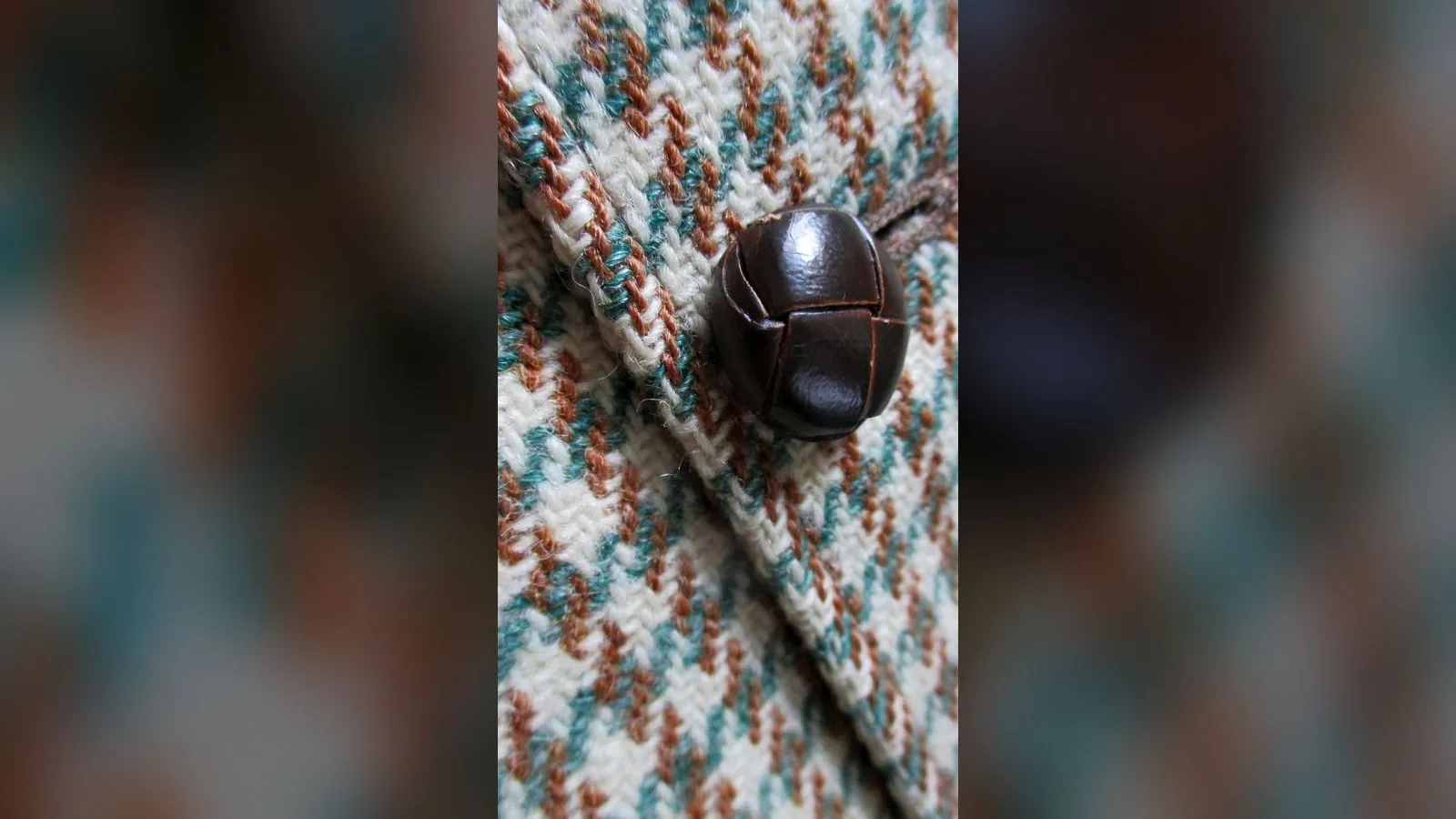

Harris Tweed as Industry — The Orb & the Harris Tweed Authority
Contents
Legend/Myth Opener
Harris Tweed is often discussed purely as a romantic craft tradition — handwoven cloth from a remote Hebridean island, its story told through crofters' cottages and family looms. That craft-heritage story is real and important, but it is covered on a separate card in this site's Culture series. This card instead examines the less romantic but equally essential side of the story: Harris Tweed survives as a commercially viable global product today specifically because of a hard-won legal and regulatory framework — the Orb trademark and the Harris Tweed Act 1993 — not because tradition alone protected it from imitation or collapse.
TL;DR
- established The Orb trademark, registered in October 1910, is the United Kingdom's oldest certification mark and remains the legal guarantee of authentic Harris Tweed today — this is documented through trademark registration records and the Harris Tweed Authority's own institutional history.
- established The Harris Tweed Act 1993 converted the voluntary Harris Tweed Association into the statutory Harris Tweed Authority, giving the industry legal, Act-of-Parliament-backed protection rather than relying solely on trademark registration and voluntary compliance — this is a documented legislative fact, verifiable directly from the Act's text.
- established Genuine Harris Tweed is legally defined as cloth handwoven by islanders at their own homes in the Outer Hebrides, finished in the Outer Hebrides, and made from pure virgin wool that has been dyed and spun in the Outer Hebrides — every stage of this definition is a specific statutory requirement, not merely a marketing claim or informal convention.
- traditional The industry's late-20th-century fashion revival is widely and credibly attributed in industry and press accounts to Vivienne Westwood's prominent use of Harris Tweed in her 1987–88 collection, a specific and well-attested catalytic moment, though the broader revival also reflects wider market and design-industry trends rather than resulting from a single event alone.
- established The legal/regulatory framework exists specifically because of a real historical threat: concerns in the early 20th century, and again around EU trademark law changes prior to 1993, that control over the Harris Tweed name and definition could pass to commercial producers outside the Outer Hebrides, undermining the economic benefit the designation was meant to secure for island weavers.
Key Facts
- Category
- Detail
- Established
- Orb trademark registered 1910; statutory authority established by the Harris Tweed Act 1993
- Key Locations
- Outer Hebrides (Harris, Lewis, and other islands), regulatory seat in Stornoway
- Key Bodies
- Harris Tweed Authority (statutory body from 1993, successor to the voluntary Harris Tweed Association); its board of ten unpaid community members
- Core Legal Definition
- Handwoven by islanders at their own homes in the Outer Hebrides; finished in the Outer Hebrides; made from pure virgin wool dyed and spun in the Outer Hebrides
- Enforcement Mechanism
- Orb certification stamp, iron-on applied at the selvedge after inspection by Authority inspectors examining mill output and individual weavers' looms
- Status Today
- Active statutory regulatory framework; industry has experienced a genuine export and fashion-brand revival since the late 20th century, credited partly to the Vivienne Westwood collection of 1987–88
- SI Score
- 59/60
Scottish Impact Index (SI Score)
- Economic Impact
- 9/10
- Industrial Longevity
- 10/10
- Material Contribution
- 10/10
- Industrial Distinctiveness
- 10/10
- Industrial Legacy
- 10/10
- Recognition
- 10/10
59/60
Ranked =4th of 50 in Industry
A Note on Claims and Evidence
This card's subject is unusually well documented because it concerns an active legal and regulatory framework rather than a purely historical industrial narrative: the Harris Tweed Act 1993 is a verifiable piece of UK legislation, the Orb trademark's 1910 registration is a matter of formal trademark record, and the Harris Tweed Authority's statutory functions and structure are publicly documented by the Authority itself. Documented claims in this card rest directly on these legal and institutional sources. The traditional category applies to the widely repeated but less formally quantifiable account of the Vivienne Westwood-led fashion revival, which is a credible and widely cited catalytic moment in industry and press accounts but exists alongside broader, harder-to-isolate market trends that also contributed to the industry's later 20th-century recovery. This card deliberately keeps its focus on the economic and regulatory story — the Act, the Authority, the Orb, and the statutory definition — rather than the craft-heritage narrative of handweaving traditions and crofting culture, which readers can find covered in depth on the companion Culture-series Harris Tweed card.
Timeline
Harris Tweed is produced and sold under informal, voluntary quality conventions, with growing concern among island weavers and the Harris Tweed Association (a voluntary body) about the risk of imitation products undermining the genuine article's reputation and value.
The Orb trademark is registered, becoming what is recognised today as the United Kingdom's oldest certification mark, establishing a formal legal basis for distinguishing authentic Harris Tweed from imitations.
The Orb certification system operates under the voluntary Harris Tweed Association, with inspectors examining cloth for compliance before applying the Orb stamp.
Growing concern over the adequacy of voluntary trademark protection, compounded by anticipated changes to European trademark law, raises the risk that control over the Harris Tweed definition and designation could pass out of the hands of the Outer Hebrides community and into those of commercial producers elsewhere.
The Harris Tweed Act 1993 is passed by the UK Parliament, converting the voluntary Harris Tweed Association into the statutory Harris Tweed Authority, with legal powers to define, inspect, and certify genuine Harris Tweed under UK law.
(Preceding the 1993 Act chronologically, but central to the industry's revival) Designer Vivienne Westwood's prominent use of Harris Tweed in her fashion collection significantly raises the cloth's profile in international luxury and fashion markets, credited by industry accounts as a key catalytic moment for the later export and fashion-brand revival.
The Harris Tweed Authority continues to operate from Stornoway, with a small professional staff (chief executive, secretary, inspectors) and an unpaid community board, enforcing the statutory definition and overseeing a renewed period of commercial and export growth, including adoption of Harris Tweed by major international fashion and footwear brands.
The statutory framework established in 1993 remains the legal basis for the industry's protection, with the Orb trademark continuing to certify genuine Harris Tweed cloth sold internationally.
Details
Origins of the Legal Framework: Protecting a Name Worth Protecting
Harris Tweed's regulatory story begins not with its craft traditions, which long predate formal certification, but with a specific commercial problem: as genuine handwoven Outer Hebridean tweed gained a reputation and market value, it became vulnerable to imitation by producers using the "Harris Tweed" name or similar branding for machine-woven or mainland-produced cloth that had none of the qualities — or the direct economic benefit to island weavers — that the genuine article represented. In response, the Harris Tweed Association (a voluntary industry body) secured registration of the Orb trademark in October 1910, formally establishing what is today recognised as the United Kingdom's oldest certification mark. The Orb design — a globe topped by a Maltese cross adorned with thirteen jewels, with "Harris Tweed" and the relevant island of manufacture displayed — gave inspectors a formal, legally registered mark to apply to genuine cloth after inspection, creating the first systematic mechanism for distinguishing authentic Harris Tweed in the marketplace.
For several decades, this voluntary trademark-based system operated adequately, giving the Harris Tweed Association meaningful (though not statutory) authority over the designation's use.
The Harris Tweed Act 1993: From Voluntary Trademark to Statutory Protection
The system's limitations became more pressing in the later 20th century, compounded by concerns that changes to European trademark law could weaken the voluntary association's practical control over the Harris Tweed name and definition — potentially opening the door for commercial producers with no connection to the Outer Hebrides to challenge or dilute the designation's meaning. In response, the UK Parliament passed the Harris Tweed Act 1993, converting the voluntary Harris Tweed Association into the Harris Tweed Authority, a body with genuine statutory legal powers under UK law rather than merely private trademark rights.
This legislative change is the single most important regulatory event in the industry's modern commercial history. It fixed, in statute, a specific and demanding definition of genuine Harris Tweed: cloth that is handwoven by islanders at their own homes in the Outer Hebrides, finished in the Outer Hebrides, and made from pure virgin wool that has itself been dyed and spun in the Outer Hebrides. Every stage of this definition — the handweaving location, the home-based (rather than factory-based) weaving requirement, the geographic restriction of dyeing and spinning, and the "pure virgin wool" material requirement — functions as an enforceable legal standard rather than an informal marketing convention, giving genuine Harris Tweed a degree of statutory protection highly unusual for a textile product anywhere in the world. The Harris Tweed Authority, operating from Stornoway with a small professional staff including dedicated inspectors who examine mill output and individual weavers' looms, administers this definition in practice, applying the Orb stamp as the visible mark of compliance at the selvedge of every length of genuine cloth.
Economic Significance and the Fashion-Brand Revival
The regulatory framework matters commercially because it is the legal mechanism that allows "Harris Tweed" to function as a premium, trusted brand in international markets — a brand whose integrity depends entirely on buyers being able to trust that the Orb stamp genuinely indicates compliance with the statutory definition, rather than being an unenforceable marketing claim. This trust underpinned the industry's notable late-20th-century revival in international fashion and luxury markets. Designer Vivienne Westwood's prominent use of Harris Tweed in her 1987–88 collection is widely and credibly cited in industry accounts as a particularly significant catalytic moment, substantially raising the cloth's profile among international fashion buyers and designers at a time when the industry's commercial fortunes had been under considerable pressure. This specific attribution should be treated as a strong, traditional industry narrative rather than an exhaustively documented single-cause explanation — broader shifts in fashion-industry interest in heritage and provenance-certified materials also contributed to the wider revival that followed. Subsequent decades have seen Harris Tweed adopted by a range of major international fashion and footwear brands, a commercial outcome that depends directly on the statutory certification framework giving brand partners and consumers confidence in the designation's genuine integrity.
Governance in Practice: How the Authority Actually Works
The Harris Tweed Authority's practical governance structure reflects its community-rooted statutory mandate: an overseeing board of ten unpaid community members provides governance direction, while a small professional staff — a chief executive, a secretary, and inspectors — carries out the Authority's day-to-day regulatory functions, including the physical inspection of mill output and individual weavers' home looms required to maintain compliance with the statutory definition. This structure is worth noting specifically because it illustrates how the economic protection of a traditional craft product can be achieved not merely through sentiment or informal convention, but through a genuinely functioning, if small-scale, regulatory institution with legal powers under UK law — a model that distinguishes Harris Tweed's modern industrial and economic story from many other traditional textile products that rely on trademark registration alone, or on no formal protection at all.
Near Collapse in the 2000s
G. C. Peden's survey in the Oxford Handbook of Modern Scottish History (2012) records how close the industry came to collapse. Statute protected Harris Tweed by requiring it to be handwoven in the Outer Hebrides, but fashion moved towards lighter cloth. In 2007 an attempt to standardise production by cutting the range of designs proved ill-judged. An industry that had employed up to 2,000 weavers in the 1970s had only 130 at work in 2009 and, in Peden's words, was "on the verge of extinction". (Its later revival is covered elsewhere on this card.)
Did You Know?
- The Orb trademark, registered in October 1910, is recognised as the United Kingdom's oldest certification mark still in active use today.
- The Harris Tweed Act 1993 is a genuine Act of the UK Parliament — a remarkable degree of statutory legal protection for what is, in global terms, a relatively small regional textile industry.
- The statutory definition of Harris Tweed requires weaving to take place specifically "at the islanders' own homes," meaning home-based handweaving is a legal requirement, not simply a traditional practice that happens to continue.
- Every genuine length of Harris Tweed receives an iron-on Orb stamp at the selvedge, applied only after inspection confirms compliance with the statutory definition.
- The Harris Tweed Authority is governed in part by a board of ten unpaid community members, reflecting the industry's deliberately community-rooted governance structure.
- Designer Vivienne Westwood's 1987–88 collection, which prominently featured Harris Tweed, is widely credited in industry accounts as a key catalytic moment for the cloth's later international fashion-market revival.
- The Harris Tweed Act 1993 was prompted in part by concerns that changes to European trademark law could have allowed control over the Harris Tweed name to pass to commercial producers outside the Outer Hebrides.
- Genuine Harris Tweed's statutory definition covers not just the weaving but the entire production chain — dyeing and spinning of the wool must also take place within the Outer Hebrides for the cloth to qualify legally as Harris Tweed.
FAQ
1What is the Orb trademark?
A certification mark, registered in October 1910 and recognised as the UK's oldest, applied to genuine Harris Tweed cloth after inspection confirms it meets the statutory definition.
2What does the Harris Tweed Act 1993 actually do?
It converted the voluntary Harris Tweed Association into the statutory Harris Tweed Authority, giving the industry legal, Act-of-Parliament-backed protection and establishing a specific statutory definition of genuine Harris Tweed.
3What is the legal definition of Harris Tweed?
Cloth handwoven by islanders at their own homes in the Outer Hebrides, finished in the Outer Hebrides, and made from pure virgin wool that has itself been dyed and spun in the Outer Hebrides.
4Why was statutory protection needed if the Orb trademark already existed?
Concerns in the later 20th century, including anticipated changes to European trademark law, raised the risk that voluntary trademark protection alone might not adequately prevent control over the Harris Tweed name passing to producers outside the Outer Hebrides.
5Who enforces the Harris Tweed definition today?
The Harris Tweed Authority, a statutory body operating from Stornoway, with inspectors who examine mill output and individual weavers' looms for compliance.
6Is this card about the same thing as the craft-heritage story of Harris Tweed?
No — this card focuses specifically on the legal, regulatory, and economic/industrial story; the craft and cultural heritage story of Harris Tweed weaving traditions is covered on a separate Culture-series card.
7What role did Vivienne Westwood play in Harris Tweed's revival?
Her prominent use of Harris Tweed in her 1987–88 collection is widely credited in industry accounts as a significant moment in raising the cloth's international fashion-market profile, though the broader revival also reflects wider market trends.
8Does the statutory definition require the wool itself to come from the Outer Hebrides?
The wool must be dyed and spun in the Outer Hebrides; the statutory definition's specific wording on sourcing should be checked against the Act's exact text for precise sourcing requirements, but processing stages are clearly specified as Outer Hebrides-based.
9Can Harris Tweed be woven in a factory rather than a home?
No — the statutory definition specifically requires handweaving by islanders at their own homes, distinguishing it from mill-based or factory-woven woollen cloth such as mainland Borders tweed.
10How is the Harris Tweed Authority governed?
Through a small professional staff (chief executive, secretary, and inspectors) overseen by a board of ten unpaid community members.
11Is Harris Tweed still commercially significant today?
Yes — the industry has experienced a genuine export and fashion-brand revival since the late 20th century, with major international fashion and footwear brands adopting Harris Tweed, underpinned directly by the credibility the statutory certification framework provides.
12Is Harris Tweed the same as Borders tweed?
No — they are distinct products; Harris Tweed is handwoven exclusively in the Outer Hebrides under its own statutory definition, while Borders tweed is mill-woven woollen cloth manufactured on the Scottish mainland, covered on a separate card in this series.
Sources and Further Reading
Primary/Institutional
- UK Legislation — Harris Tweed Act 1993 (legislation.gov.uk, full enacted text)
- Harris Tweed Authority — institutional information on the Orb trademark, statutory definition, and governance structure
Scholarly/Critical
- G. C. Peden, "A New Scotland? The Economy", in T. M. Devine and Jenny Wormald (eds), The Oxford Handbook of Modern Scottish History (Oxford University Press, 2012)
- Industry and trade-press analysis of the Harris Tweed Act 1993's background and effects, including coverage of the European trademark law concerns that prompted it
General
- Harris Tweed Authority — Wikipedia
- Harris tweed — Wikipedia
- Stornoway Gazette — "How the Orb Act wove a way into statute"
Caveats: Myths and Disputed Claims
- Disputed: Vivienne Westwood's 1987–88 collection caused the Harris Tweed revival. This is a strongly credited, traditional industry narrative, but the broader revival reflects multiple contributing market and fashion-industry trends.
- Misconception: the Orb and the Harris Tweed Act 1993 are the same protection. The Orb is a certification trademark first registered in 1910; the 1993 Act created a separate, additional statutory authority and legal definition. They are related but legally distinct instruments.
- Paraphrase, not legal text: the statutory definition. Summaries of the definition are no substitute for the Act's precise legal language; the exact text is in the Harris Tweed Act 1993 itself, via legislation.gov.uk.
Finished reading? Try the Fact Machine: three reels, one surprising Scottish connection →
Card 029 · Industry