50 Cards
Food & Drink
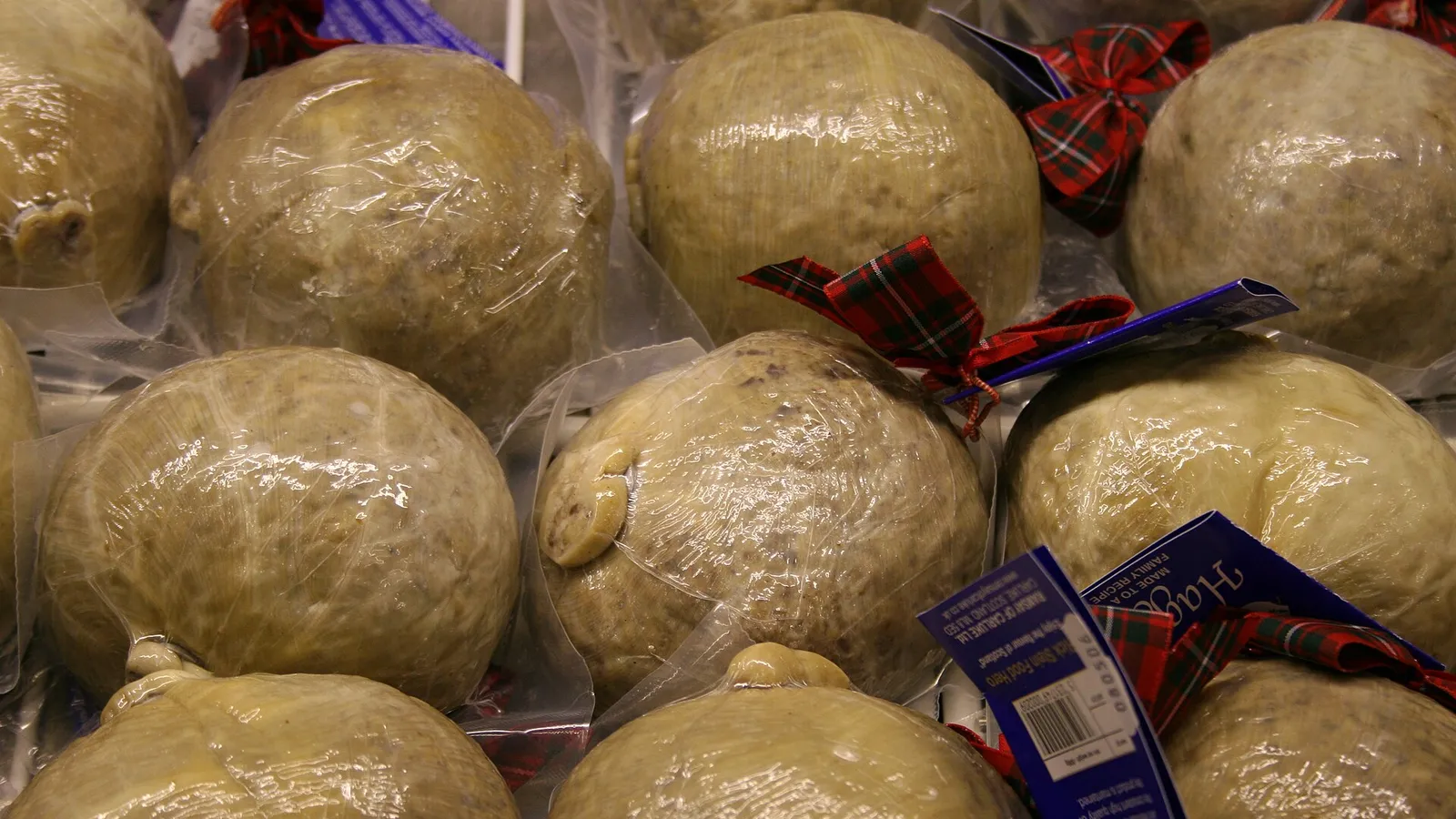
No. 1
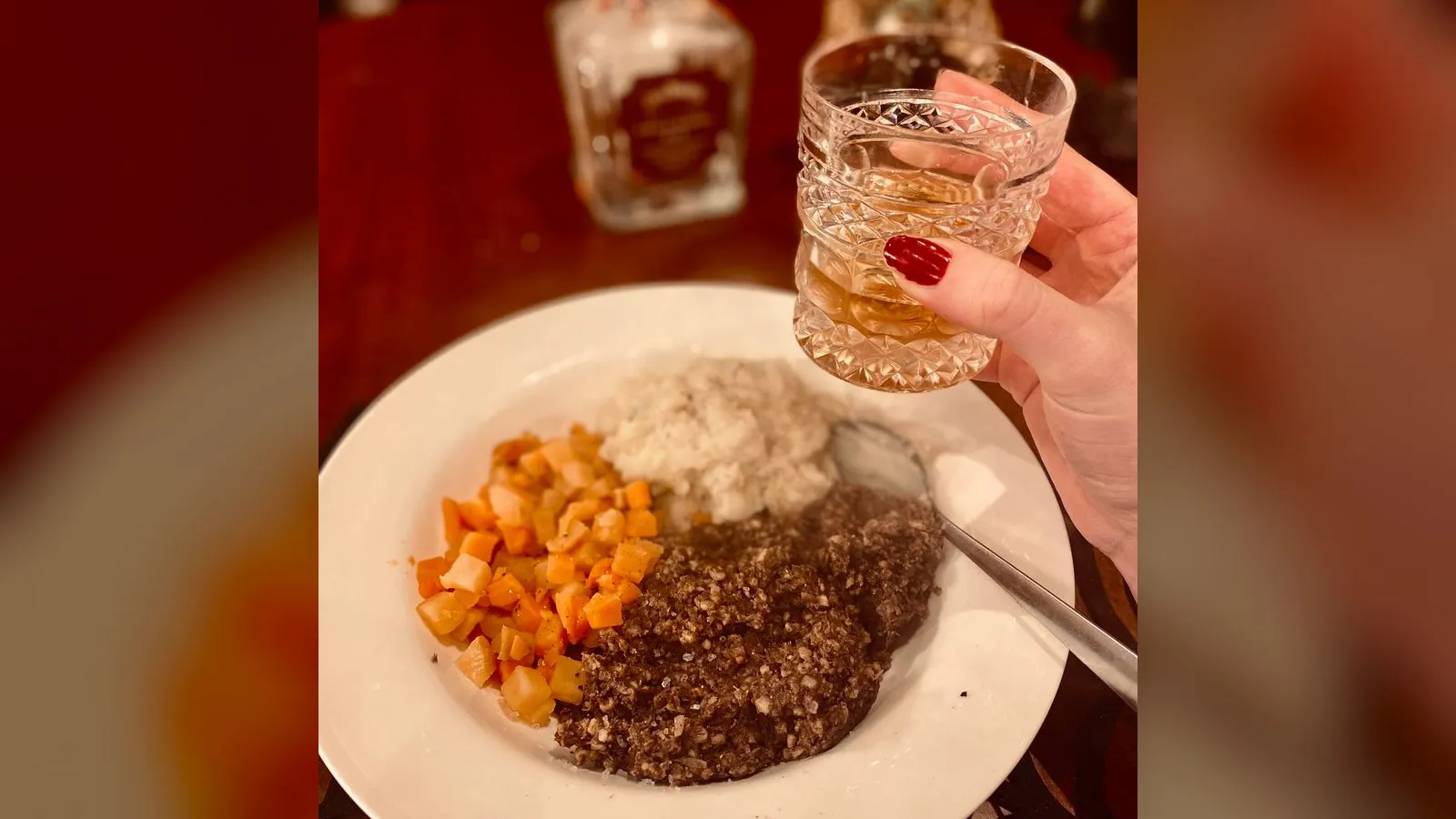
Haggis: Scotland's National Dish
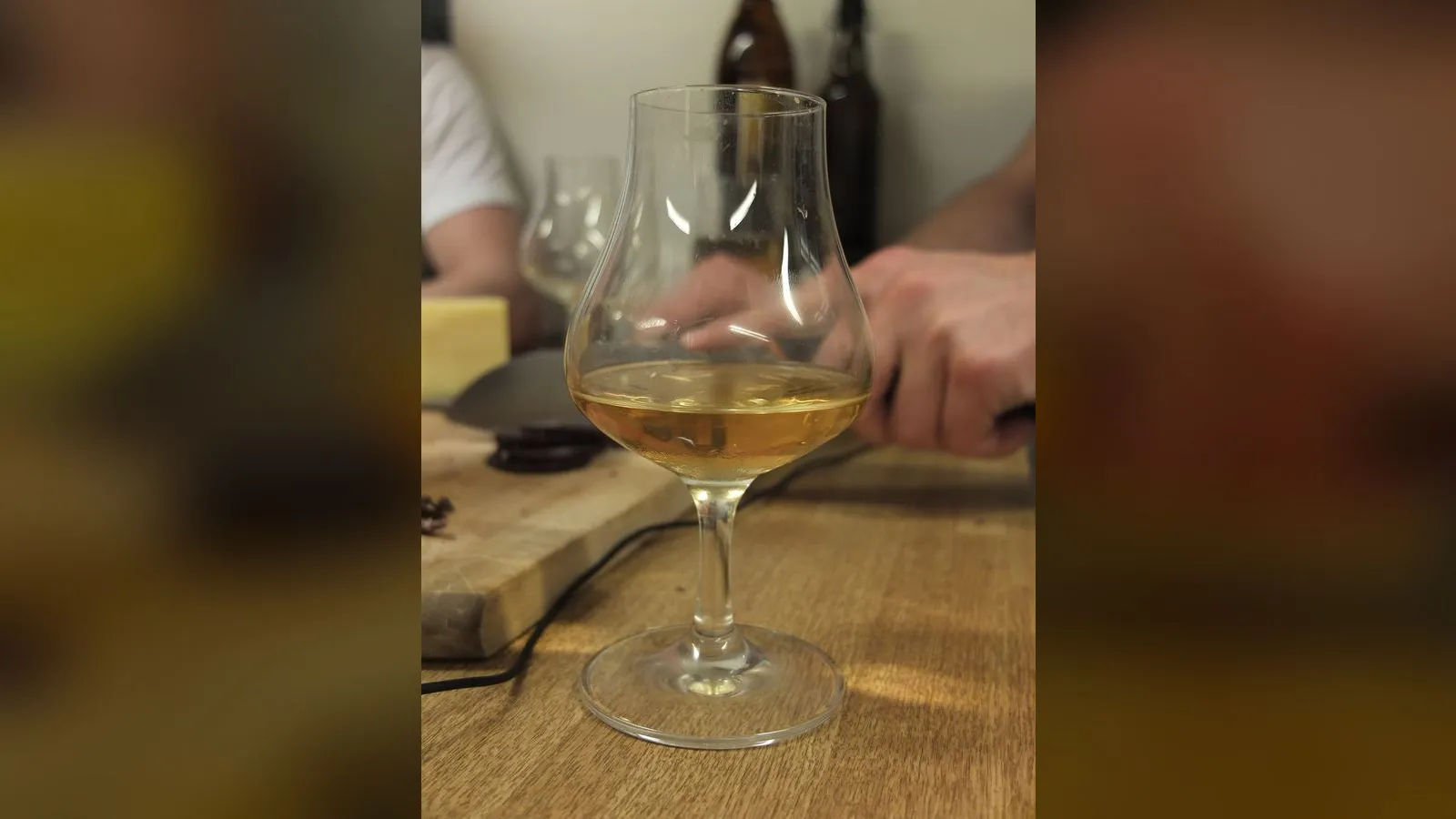
No. 2
Scotch Whisky: The Water of Life
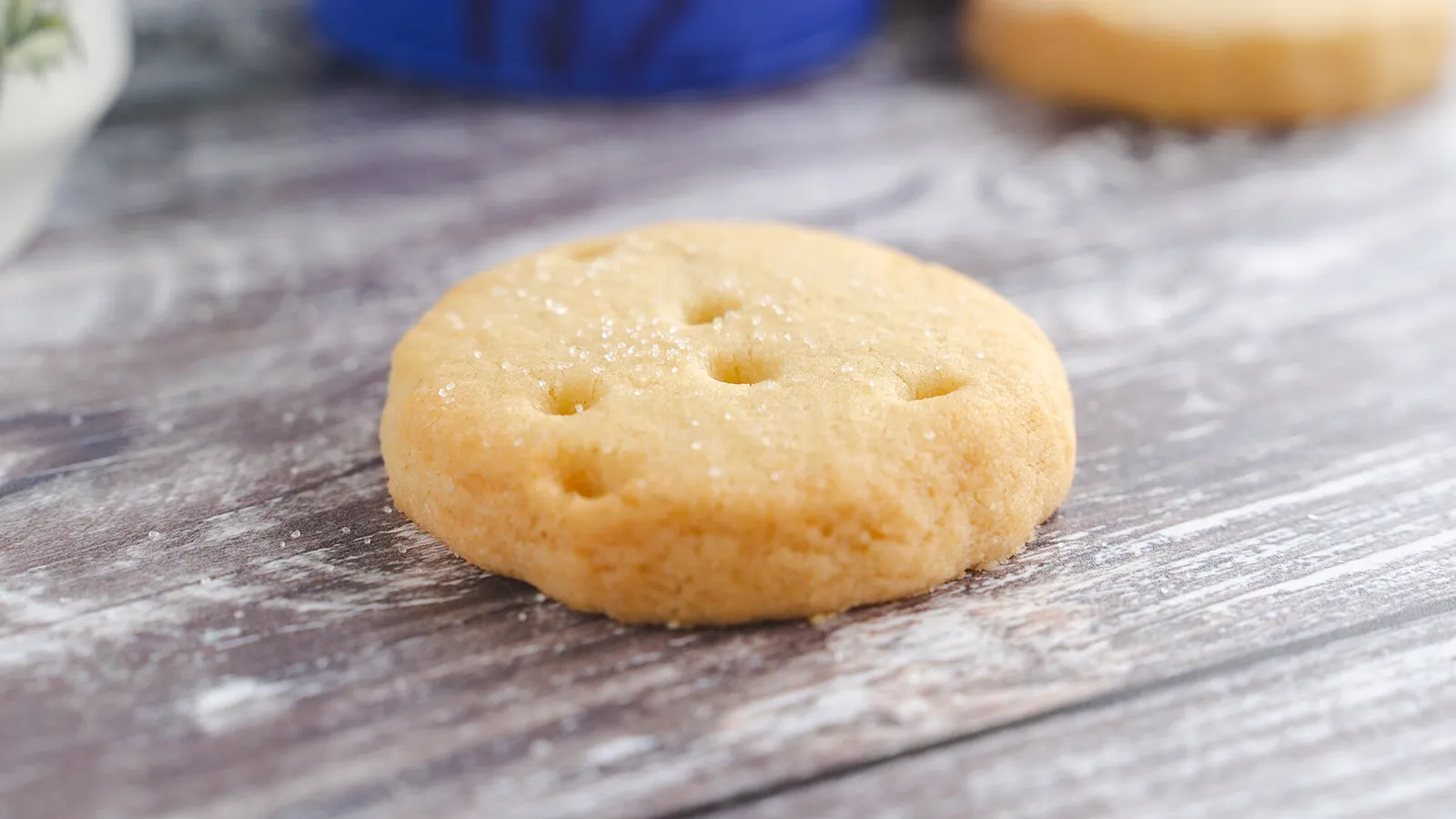
No. 3
Shortbread: Scotland's Butter Biscuit
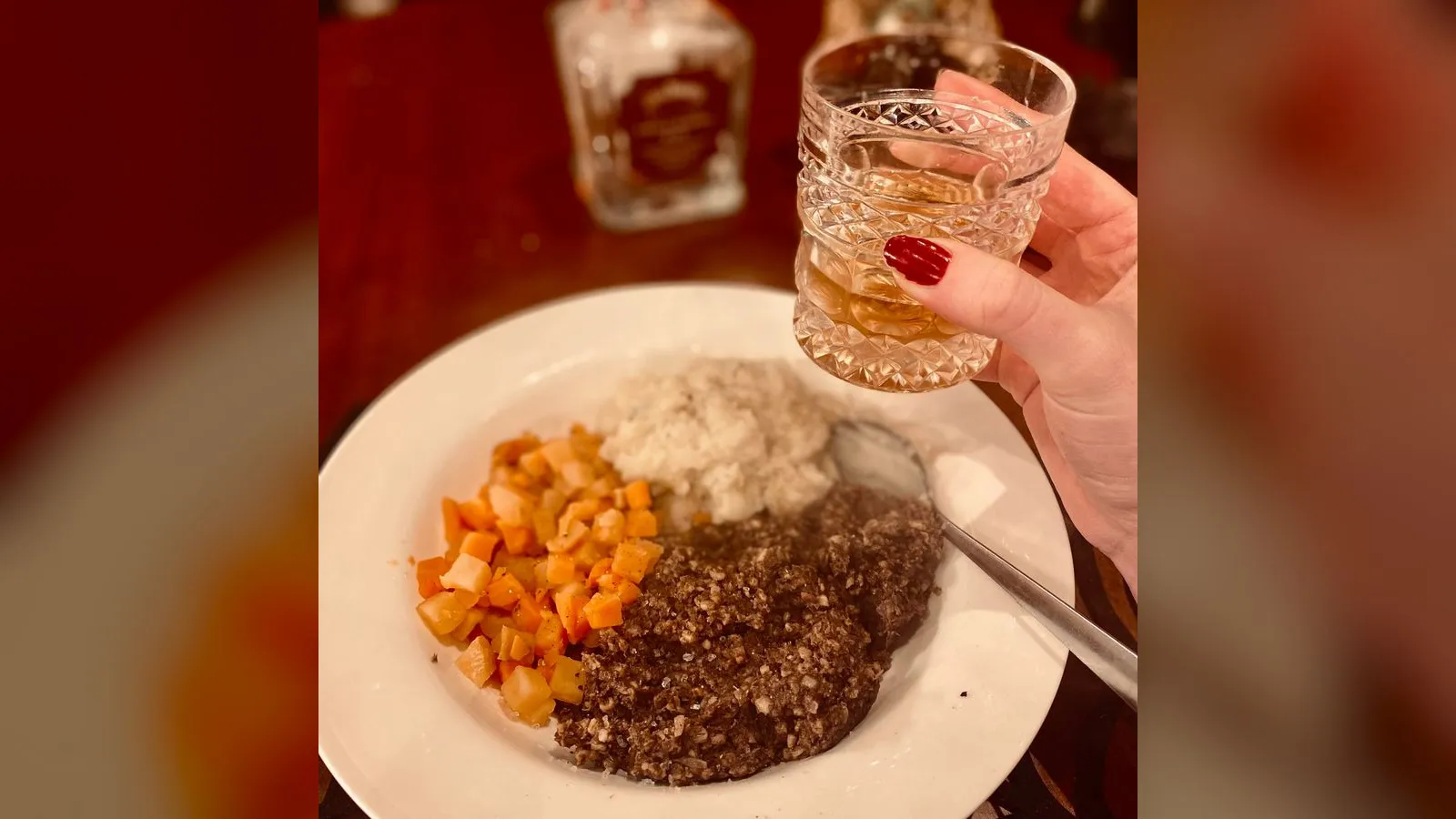
No. 4
Scottish Oatcakes: The "Bread" of the Land o' Cakes
No. 5
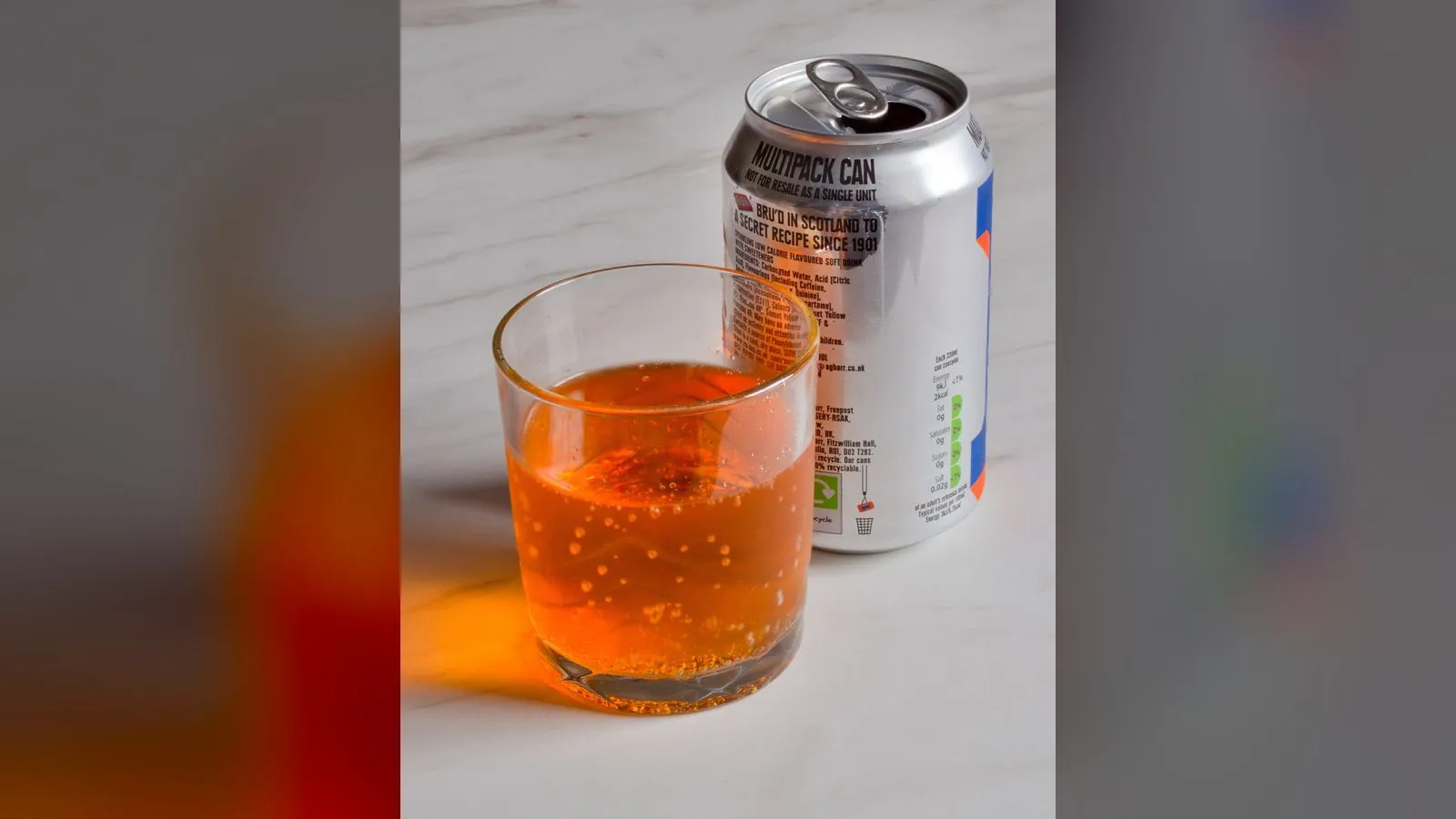
Irn-Bru: Scotland's "Other National Drink"
No. 6
The Scottish Chippy: Fryers, Fish Suppers and the Chip Van on the Road
No. 7
The Scottish Tea Room: A Cup of Tea and a Place in Public
No. 8
Arbroath Smokies: A Genuinely Protected Scottish Tradition — With a Legend That Isn't History
No. 9
Cranachan: Scotland's "King of Desserts" Is a 20th-Century Codification of a Genuinely Old Harvest Custom
No. 10
Cullen Skink: The North-East Smoked-Haddock Soup — Accuracy Over Patriotism
No. 11
Scottish Tablet: The Confection, the History, and the Myth of Its Age
No. 12
The Full Scottish Breakfast: A Culture & Traditions Card
No. 13
Porridge and the Spurtle: Oats, Salt and the Golden Spurtle
No. 14
Stornoway Black Pudding: A Protected Taste of Lewis
No. 15
The Scotch Pie: Half-Time on the Terraces
No. 16
Dundee Marmalade: Keiller's, Seville Oranges and a Shipwreck Legend
No. 17
Dundee Cake: Almonds, Fruit and a Royal Legend
No. 18
Scotch Broth: Barley, Mutton and Dr Johnson's Approval
No. 19
Cock-a-Leekie: Chicken, Leeks and the Prune Question
No. 20
Stovies: Potatoes, Dripping and Every Family's Recipe
No. 21
Clootie Dumpling: The Pudding Boiled in a Cloth
No. 22
The Forfar Bridie: Angus's Horseshoe Pie
No. 23
The Selkirk Bannock: A Borders Fruit Loaf
No. 24
Aberdeen Butteries: The North-East's Salty Rowie
No. 25
Lorne Sausage: The Square Slice and the Comedian Who Didn't Name It
No. 26
Finnan Haddie: Smoked Haddock From Findon
No. 27
Loch Fyne Kippers: Herring, Smoke and the Silver Darlings
No. 28
Scottish Smoked Salmon: Wild Rivers, Fish Farms and Controversy
No. 29
Aberdeen Angus Beef: The Black Cattle That Conquered the World
No. 30
Langoustines: Scotland's Prawns and Their Journey to Spain
No. 31
Venison and the Glorious Twelfth: Scotland's Game
No. 32
Blairgowrie Raspberries: The Berry Fields of Strathmore
No. 33
Tunnock's Teacakes: Uddingston's Foil-Wrapped Dome
No. 34
The Digestive Biscuit: McVitie's, Edinburgh and a Medical Myth
No. 35
The Penguin Biscuit: P-p-p-pick Up a Glasgow Classic
No. 36
Edinburgh Rock: Sweetie Sandy's Crumbly Sticks
No. 37
Soor Plooms: Galashiels's Sour Sweet and a Border Legend
No. 38
The Deep-Fried Mars Bar: Stonehaven's Notorious Treat
No. 39
Chicken Tikka Masala: The Glasgow Claim
No. 40
Drambuie: The Liqueur and the Prince's Recipe
No. 41
Atholl Brose: Oats, Honey, Whisky and a Captured Rebel
No. 42
Heather Ale: The Picts' Lost Secret and Its Revival
No. 43
Scottish Gin: The Other Spirit
No. 44
Buckfast: The English Monks' Wine With a Scottish Reputation
No. 45
Bere Bannocks: Orkney's Ancient Barley Bread
No. 46
Mince and Tatties: Scotland's Everyday Dinner
No. 47
The Scotch Egg: Is It Scottish at All?
No. 48
The Macaroon Bar: Potato, Sugar and Coconut From Coatbridge
No. 49
Scottish Cheese: Dunlop, Crowdie and the Modern Revival
No. 50
The Empire Biscuit: Jam, Icing and a Wartime Name Change
More Food & Drink stories
Subjects worth knowing that don't have a card of their own.
Baxters of Fochabers: From a Village Grocer to a Global Soup Maker
[Established] George Baxter, a former gardener on the Duke of Richmond's Gordon Castle estate, opened a grocery shop in Fochabers in 1868 with a £100 loan from his family.
Black Bun: Scotland's Hogmanay Fruit Cake in Pastry
[Established] Black bun is a rich fruit and spice filling, with very little flour, sealed inside a pastry crust.
Brose and Sowans: The Everyday Oat Dishes of Old Scotland
[Established] Brose is oatmeal (or barley meal or peasemeal) with boiling water, milk or stock poured over it, stirred into lumps and eaten at once.
Brown & Polson: Paisley's Patent Cornflour
[Established] Brown & Polson grew from an 1840 partnership between two Paisley muslin firms, William Brown & Son and John Polson & Co., which set up bleaching, scouring and starching works at Thrushcraigs.
Camp Coffee: Glasgow's Liquid Coffee Essence
[Established] Camp is a liquid coffee and chicory essence made by R.
Johnnie Walker: The Kilmarnock Grocer's Whisky That Went Round the World
[Established] John Walker opened a grocery, wine and spirits shop in Kilmarnock in 1820, funded from the sale of his late father's farm.
Rose's Lime Juice: Lachlan Rose of Leith and the First Fruit Cordial
[Established] Lauchlan Rose (1829–1885), a Leith merchant and ship's chandler, founded L.
Scotland's Early Cookery Books: Mrs McLintock, Elizabeth Cleland and Meg Dods
[Established] Mrs McLintock's Receipts for Cookery and Pastry-Work (Glasgow, 1736) is regarded by the National Library of Scotland as the first published Scottish recipe book.
Tennent's Lager: Wellpark Brewery and Scotland's Lager
[Traditional] Tennent family tradition, recorded in the Chronicles of the Maltmen Craft in Glasgow, says the family was brewing in Glasgow by 1556.
The Food of Orkney and Shetland: Bere, Fish and the Northern Larder
[Established] Orkney and Shetland were settled by Scandinavians from the ninth century and remained under Norwegian rule until 1468–69.