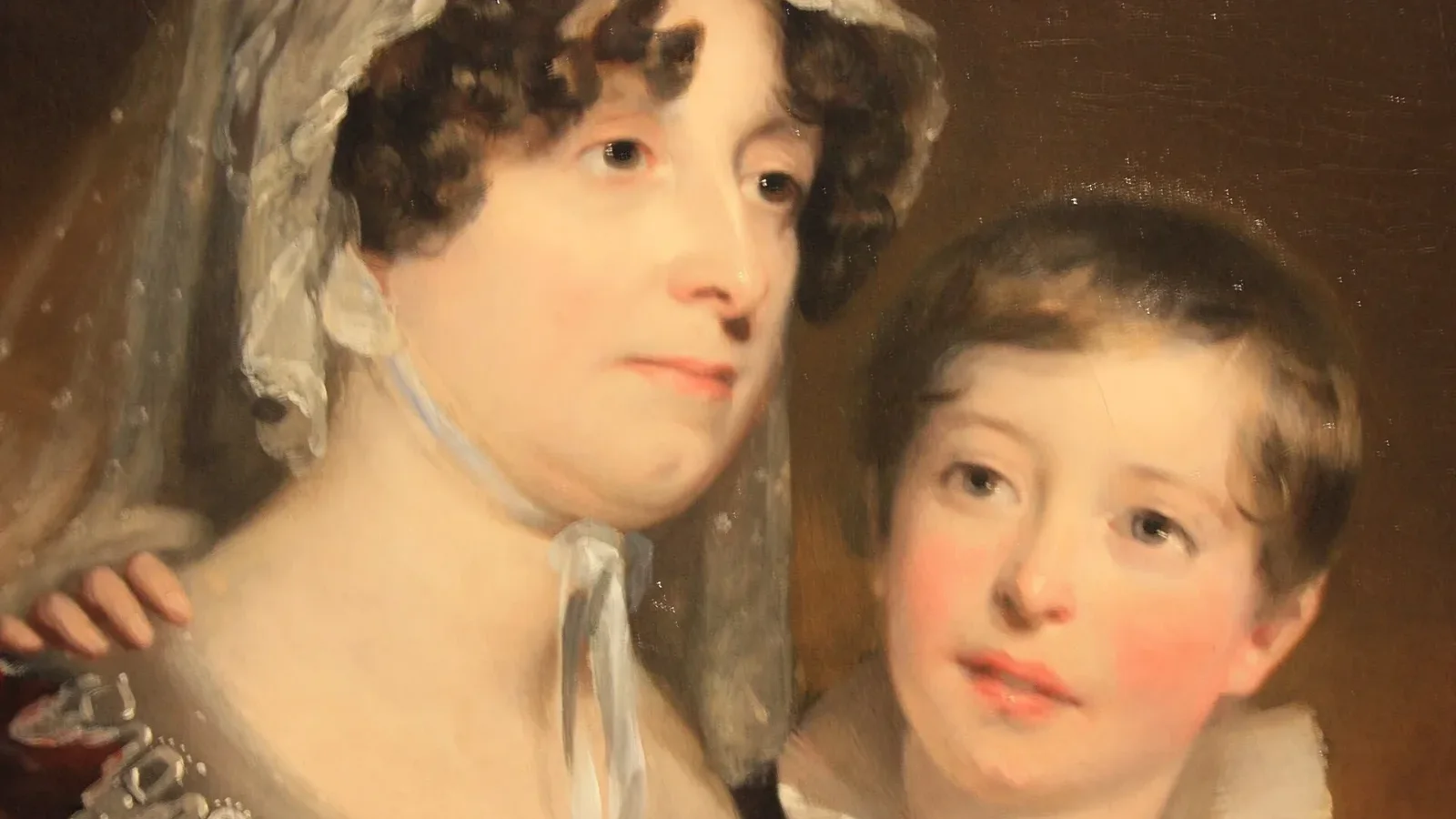

Carolina Oliphant, Lady Nairne (1766–1845)
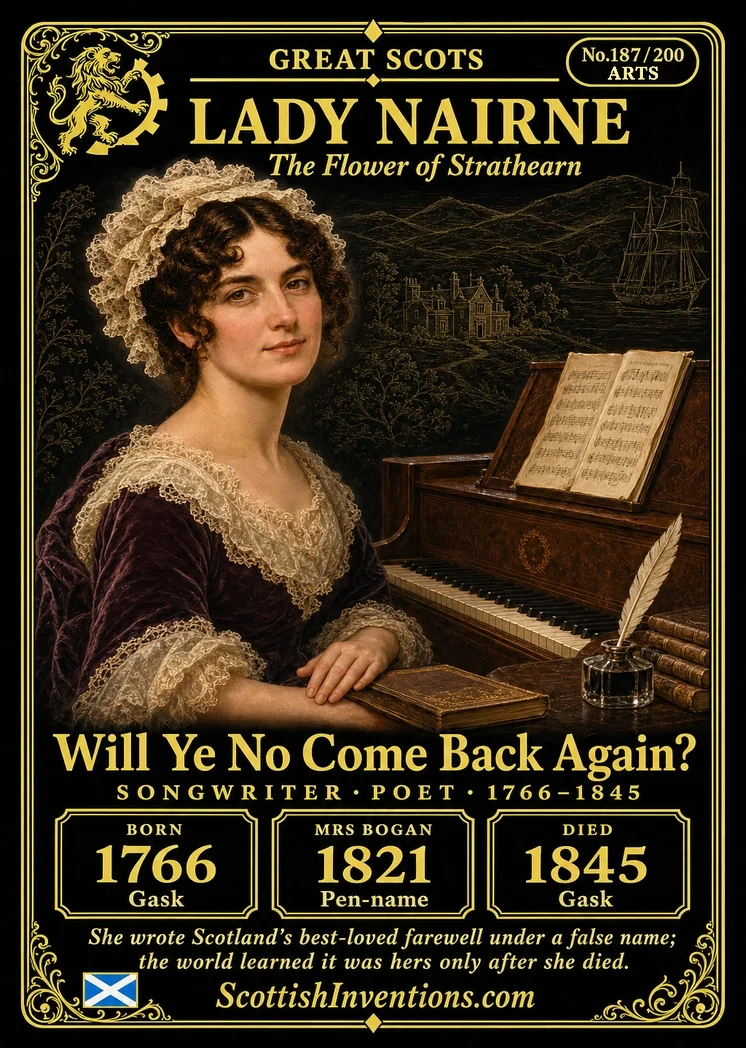
Contents
Carolina Oliphant wrote some of the best-loved songs in Scotland, including "Will Ye No Come Back Again?" and "The Land o' the Leal", yet none of them appeared under her name while she lived. She was a Jacobite laird's daughter who hid behind a pseudonym, and is remembered as one of Scotland's great songwriters after Burns.
TL;DR
- established Born at the House of Gask in Perthshire in 1766 into a staunchly Jacobite family, Carolina Oliphant was celebrated in youth as "the Flower of Strathearn".
- established Her songs appeared anonymously or under the pseudonym "Mrs Bogan of Bogan" in Robert Purdie's The Scottish Minstrel (1821–24); she was first named as their author in Lays from Strathearn (1846), the year after her death.
- established Her best-known songs include the Jacobite lament "Will Ye No Come Back Again?", "The Land o' the Leal", "Caller Herrin'" and the comic "The Laird o' Cockpen".
- shared Writing in Scots after Burns, she helped shape the popular nineteenth-century image of Scottish song; some critics see her work as polished drawing-room versions of folk tradition rather than folk song itself.
- established She married her second cousin Major William Nairne in 1806 and became Baroness Nairne in 1824, when the Jacobite attainder on the Nairne title was reversed.
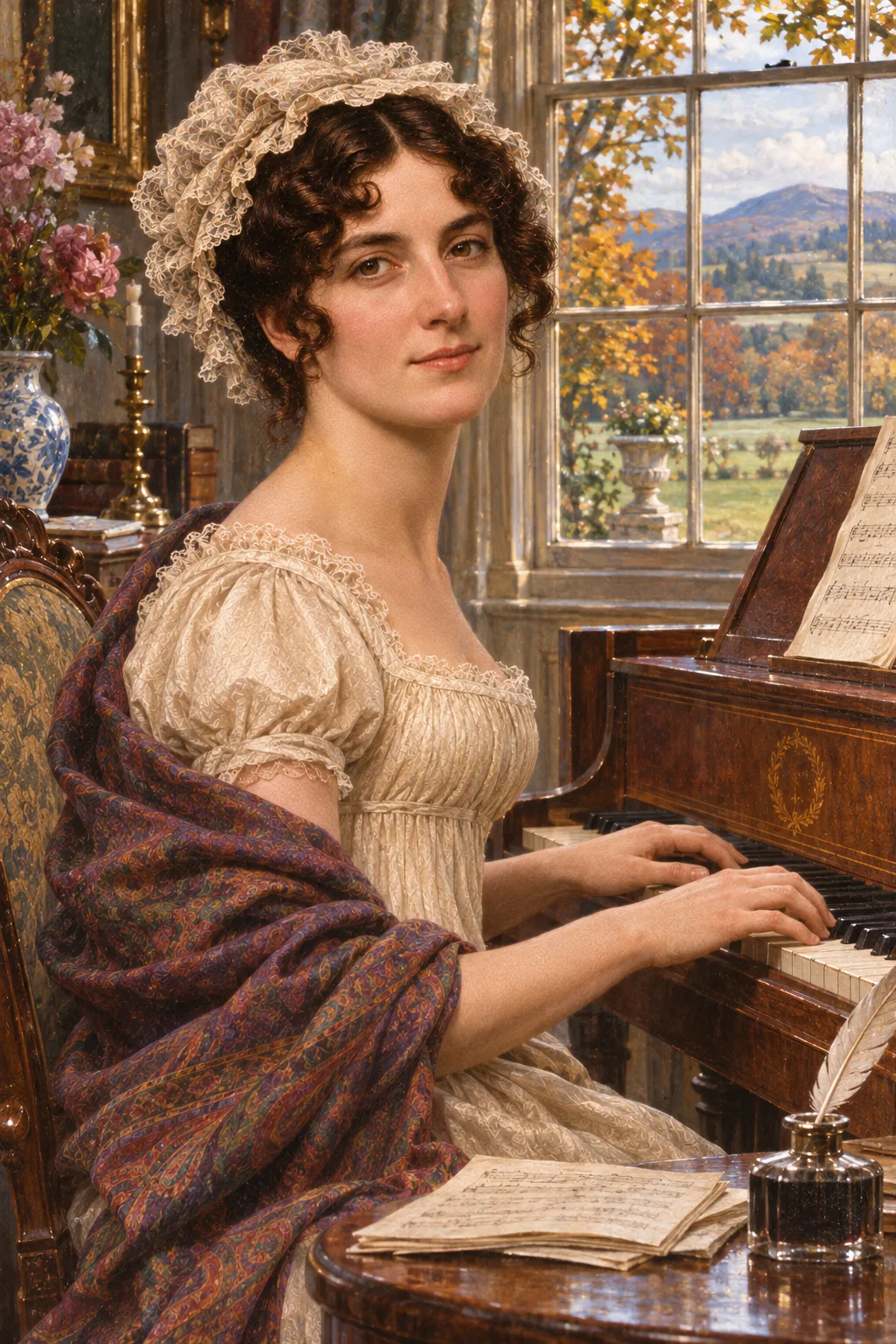
Key Facts
- Born
- 16 August 1766, House of Gask, Perthshire
- Died
- 26 October 1845, Gask (aged 79)
- Parents
- Laurence Oliphant, Jacobite laird of Gask; Margaret Robertson
- Married
- Major William Nairne (1757–1830), her second cousin, in 1806
- Title
- Baroness Nairne, from 1824
- Pseudonym
- "Mrs Bogan of Bogan"
- Best-known songs
- "Will Ye No Come Back Again?", "The Land o' the Leal", "Caller Herrin'", "The Laird o' Cockpen"
- Buried
- Family chapel at Gask
A Note on Claims and Evidence
Each major claim carries one of three labels. established means supported by primary records, official bodies or several independent reliable sources. shared means the core fact is sound but sources disagree on details, dates or interpretation. traditional means widely repeated but not traceable to a primary or independent source.
The facts of Lady Nairne's life come from family papers, now in the National Library of Scotland, and from the memoir published with Lays from Strathearn in 1846. Because she published anonymously, which songs are hers rests on the family's later attributions. The core songs named above are established as hers; several others often credited to her, such as "The Rowan Tree" and "Wi' a Hundred Pipers", are shared: widely attributed, but less securely documented.
Timeline
Born at Gask on 16 August, one of seven children of a Jacobite laird.
Persuades her brother Laurence to subscribe to the Edinburgh edition of Burns's poems.
Marries Major William Nairne; they settle in Edinburgh.
Her only child, William Murray Nairne, is born at Caroline Cottage, Duddingston.
Her songs appear as by "Mrs Bogan of Bogan" in Robert Purdie's six-volume The Scottish Minstrel.
Becomes Baroness Nairne when Parliament reverses the attainder on her husband's title.
Her husband dies; she spends twelve years in England, Ireland and continental Europe.
Her son dies in Brussels.
Returns to Gask and suffers a stroke.
Dies at Gask on 26 October.
Lays from Strathearn, arranged by Finlay Dun, names her as the author for the first time.
Details
A Jacobite household
established The Oliphants of Gask were an old Perthshire family, and both Carolina's grandfather and her father had fought for the Stuarts in 1745. She was named after Prince Charles Edward Stuart, and grew up in a house where the exiled dynasty was still toasted. Educated at home, she read widely, played and sang to a high standard, and painted. She admired Robert Burns, though not his bawdier pieces, and in 1786 persuaded her brother to subscribe to the Edinburgh edition of his poems. Her beauty earned her the name "the Flower of Strathearn".
Marriage and the Nairne title
established In 1806 she married her second cousin, Major William Nairne, an Irish-born officer from a Perthshire Jacobite family whose peerage had been forfeited after the 1745 rising. They lived in Edinburgh, latterly at Caroline Cottage in Duddingston, where their only child was born in 1808. In 1824, when Parliament reversed the attainder that had stripped the family of its title, her husband became Lord Nairne and she Baroness Nairne. established After her husband's death in 1830 she travelled for twelve years in England, Ireland and Europe with her son and relatives. Her son, the young Lord Nairne, died in 1837, the last of several family losses in those years.
Mrs Bogan of Bogan
established None of her songs appeared under her own name in her lifetime. For a woman of her rank, writing popular songs was thought unrespectable, and she guarded her secret so closely that even her husband is said to have been unaware of it. Her work was published as by "Mrs Bogan of Bogan" in Robert Purdie's six-volume collection The Scottish Minstrel (1821–24). She was first named as the author after her death, with her sister's permission, in Lays from Strathearn (1846), arranged for voice and piano by Finlay Dun.
The songs
established Her songs draw on traditional tunes and idioms, which made them easy to sing and quick to spread. Many look back to Scotland's past. The most famous, "Will Ye No Come Back Again?", laments the departure of "Bonnie Charlie". "The Land o' the Leal", set to the old tune "Hey Tuttie Tattie", was written to console a friend, Mrs Campbell Colquhoun, on the death of her child, and is often mistaken for a work of Burns. "Caller Herrin'" honours the Newhaven fishermen and the fishwives who cried their catch through Edinburgh's streets. "The Laird o' Cockpen" is a comic courtship song in which Mistress Jean first refuses the pompous laird and then thinks better of it.
established Surprisingly for a member of an Episcopalian Jacobite family, she also wrote sympathetically about the Covenanters. "The Pentland Hills" condemns "fell Claverhouse" and mourns the men who fell at Rullion Green in 1666. She was devout, a generous charitable donor and in later life sympathetic to the Free Church.
Reputation
shared After Burns, she is often counted the most popular Scottish songwriter of the nineteenth century, and her songs were standards of Scottish concerts and parlours for a century. Modern critics have been more guarded. Critics writing in The Oxford Handbook of Modern Scottish History and elsewhere have described her work as a polished, printed imitation of folk song, made for readers and drawing rooms rather than for oral tradition, and her portraits of working people as somewhat sanitised. Her biographer in The New Biographical Dictionary of Scottish Women nonetheless argues that the range of her work deserves fresh attention.
Did You Know?
- She was named after Bonnie Prince Charlie.
- She persuaded her brother to subscribe to Burns's Edinburgh edition in 1786.
- Her husband is said not to have known she wrote songs.
- "The Land o' the Leal" is often wrongly credited to Burns.
- She published as "Mrs Bogan of Bogan".
- She was not named as an author until the year after her death.
- She also wrote songs praising the Covenanters, the enemies of her family's Jacobite cause.
From the archive
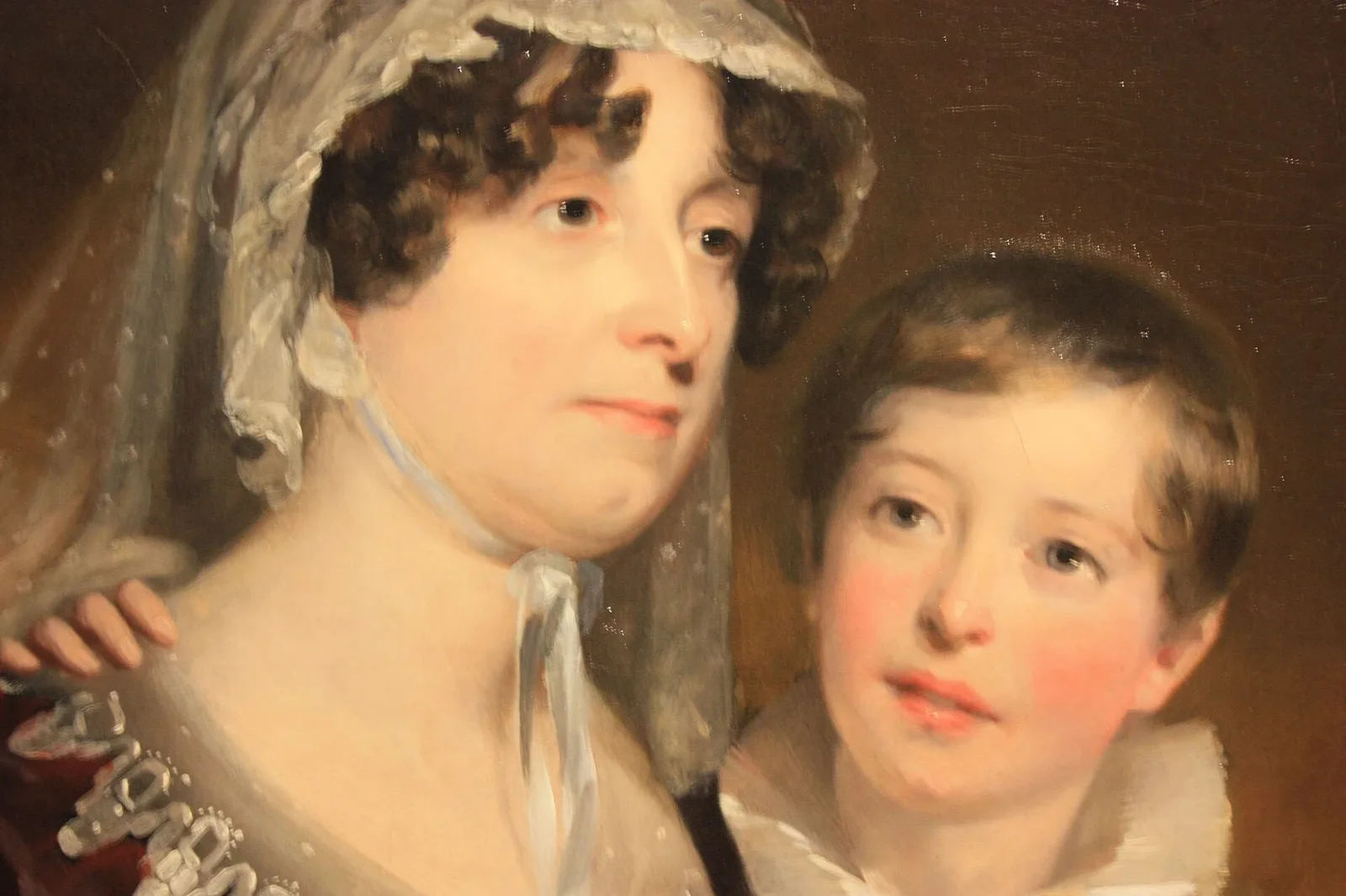
Original documents and images from the period.
FAQ
1Who was Lady Nairne?
Carolina Oliphant (1766–1845), a Perthshire songwriter who wrote many famous Scottish songs anonymously.
Did she write "Will Ye No Come Back Again?" Yes. It is her best-known song, a Jacobite lament for Prince Charles Edward Stuart.
2Did Burns write "The Land o' the Leal"?
No. It is by Lady Nairne, though it has often been attributed to Burns.
3Why did she hide her authorship?
Writing popular songs was considered unsuitable for a woman of her rank. She published under the pseudonym "Mrs Bogan of Bogan".
4When was she first named as the author?
In Lays from Strathearn, published in 1846, the year after her death.
5Was she a Jacobite?
By family and sympathy, yes. Her father and grandfather fought for the Stuarts, and she was named after Bonnie Prince Charlie.
6How did she become Lady Nairne?
By marrying Major William Nairne, whose forfeited Jacobite peerage was restored in 1824.
7Is she related to the novelist Margaret Oliphant?
No close relationship is known.
8Did she write "The Rowan Tree"?
It is widely attributed to her, but the attribution is less secure than for her best-known songs.
9Where is she buried?
In the family chapel at Gask, Perthshire.
Sources and Further Reading
Primary/Institutional
- National Library of Scotland, MS 981: Nairne correspondence and papers.
- Lays from Strathearn, by Carolina, Baroness Nairne, arranged by Finlay Dun (1846).
- Robert Purdie (ed.), The Scottish Minstrel, 6 vols (1821–24).
Scholarly/Critical
- Elizabeth Ewan, Rose Pipes et al. (eds), The New Biographical Dictionary of Scottish Women (Edinburgh University Press, 2018), entry "Oliphant, Carolina, Lady Nairne".
- T. M. Devine and Jenny Wormald (eds), The Oxford Handbook of Modern Scottish History (2012), chapters on literature and identity.
- The Edinburgh History of Scottish Literature, vol. 2: Enlightenment, Britain and Empire (1707–1918) (2007).
Caveats: Myths and Disputed Claims
- Myth: "The Land o' the Leal" is by Burns. It is Lady Nairne's.
- Disputed: the full list of her songs. Because she wrote anonymously, some songs credited to her, such as "The Rowan Tree" and "Wi' a Hundred Pipers", rest on later attribution.
- Disputed: her husband's ignorance of her writing. The story is a family tradition rather than documented fact.
Finished reading? Try the Fact Machine: three reels, one surprising Scottish connection →
Card 187 · Great Scots