
Land of the Mountain and the Flood
Contents
Legend vs Myth
This overture is frequently described online and in casual music writing as "the theme tune of ITV's Vera." It isn't — the credited composer for Vera's theme music is Ben Bartlett, not Hamish MacCunn. The confusion likely borrows credibility from the piece's one well-documented television association: it genuinely was the theme for the BBC Scotland drama Sutherland's Law in the 1970s. This card corrects the record rather than repeating the popular but unverified claim.
TL;DR
- established Hamish MacCunn composed the concert overture The Land of the Mountain and the Flood in 1887, aged just nineteen, and it premiered at London's Crystal Palace on 5 November that year to strong reviews.
- established Its title is drawn from a line in Sir Walter Scott's 1805 poem The Lay of the Last Minstrel, celebrating Scotland ("Caledonia, stern and wild") as "Land of the mountain and the flood."
- established The overture was used as the theme music for the BBC Scotland television drama Sutherland's Law, broadcast from 1973 to 1976.
- disputed A widely repeated modern claim that the piece is "the theme tune of Vera" could not be verified against reliable sources during research for this article; Vera's music is credited to the composer Ben Bartlett, and no documented link between MacCunn's overture and the ITV series was found.
- traditional The work is commonly described as a foundational piece of late-Victorian Scottish Romantic nationalism in classical music, a characterisation widely shared by music historians but resting on interpretive critical consensus rather than a single documentary source.
Key Facts
- Title
- The Land of the Mountain and the Flood (Concert Overture, Op. 3)
- Composer
- Hamish MacCunn (1868–1916)
- Composed
- 1887
- Premiere
- 5 November 1887, Crystal Palace, London
- Composer's age at premiere
- 19
- Title source
- Sir Walter Scott, The Lay of the Last Minstrel (1805)
- Confirmed TV use
- Sutherland's Law (BBC Scotland, 1973–1976)
- Category
- Culture / Music
Scottish Impact Index (SI Score)
- Cultural Impact
- 8/10
- Enduring Relevance
- 10/10
- Artistic / Cultural Contribution
- 10/10
- Artistic Originality
- 9/10
- Artistic Legacy
- 10/10
- Recognition
- 8/10
55/60
Ranked =29th of 50 in Arts
A Note on Claims and Evidence
The overture's composition, premiere date, venue, and its confirmed use as the theme for Sutherland's Law are documented in contemporary press reviews, published scholarship on MacCunn, and broadcast records, and are treated as established. The popular modern claim connecting the piece to the ITV drama Vera could not be substantiated against any reliable source consulted for this article — contemporary coverage of Vera's music credits composer Ben Bartlett, not MacCunn — and is presented here as an unverified and likely mistaken attribution rather than fact, consistent with this publication's standard of correcting rather than repeating unverified popular claims.
Timeline
Hamish MacCunn is born in Greenock, Scotland.
MacCunn, aged around fifteen, enters the Royal College of Music in London.
Composes The Land of the Mountain and the Flood, Op. 3, at nineteen years old.
The overture premieres at the Crystal Palace, London, and is warmly received by critics including The Musical Times.
MacCunn follows with further Scottish-themed orchestral works, consolidating his reputation as a leading young Scottish Romantic composer.
MacCunn dies, aged 48.
The overture is adopted as the theme music for the BBC Scotland drama Sutherland's Law.
The piece remains a staple of Scottish orchestral programming and is occasionally used in broadcast and film contexts, though its specific later media uses beyond Sutherland's Law require case-by-case verification rather than assumption.
Details
A teenage prodigy and a confident Scottish voice
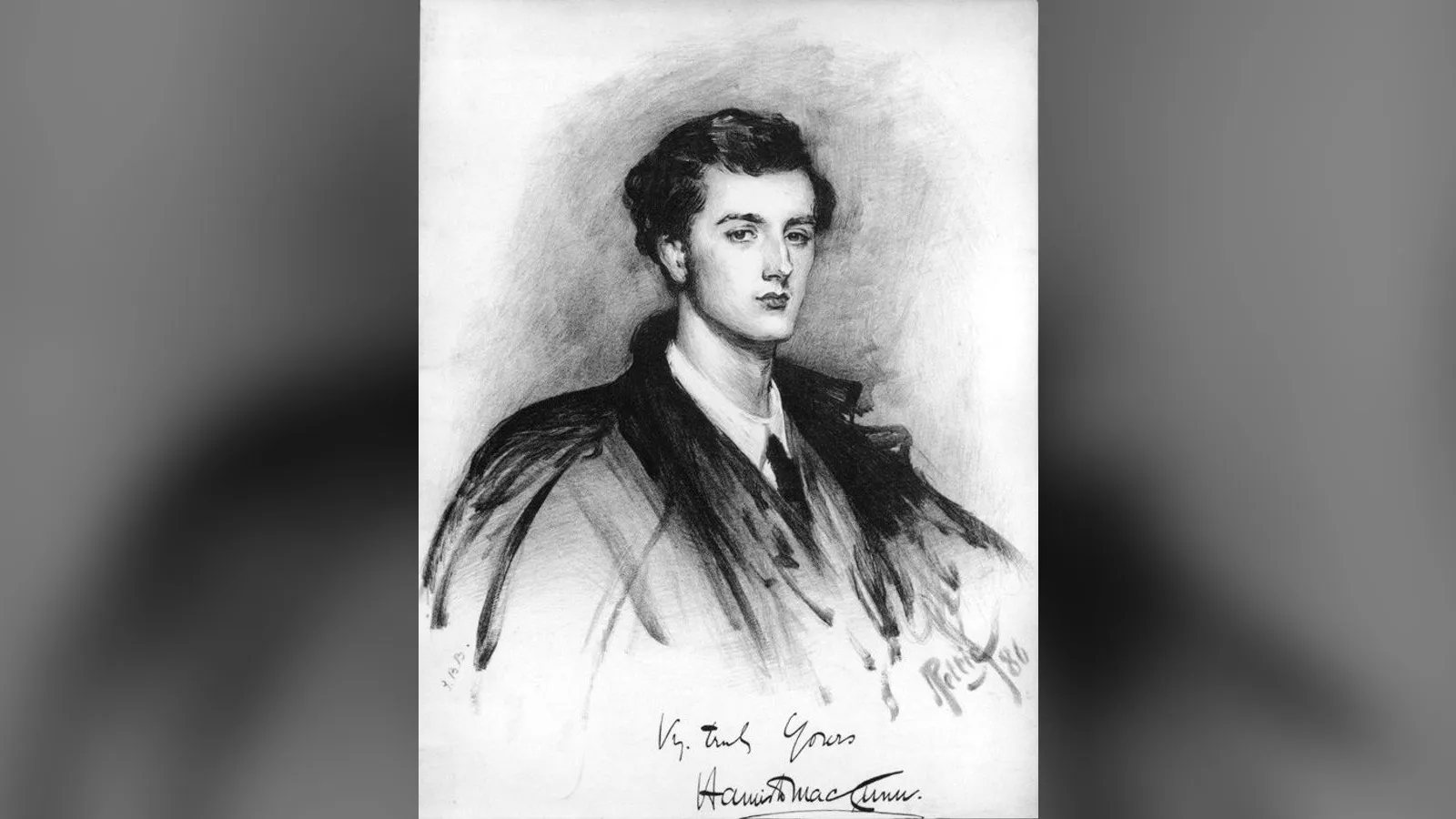
Hamish MacCunn was born in Greenock in 1868 and showed sufficient musical promise to enter London's Royal College of Music in his mid-teens, studying under figures including Hubert Parry. He wrote The Land of the Mountain and the Flood in 1887, while still only nineteen, and its premiere that November at the Crystal Palace — then one of London's most prestigious concert venues — was met with genuine critical enthusiasm. The Musical Times described it as "spirited and bold in conception and brilliantly scored," a notable notice for a composer barely out of his teens. George Bernard Shaw, reviewing music at the time, offered a more qualified verdict, calling it "a charming Scotch overture" while criticising its development section as unnecessarily complicated — a useful reminder that even enthusiastically received premieres attracted real critical disagreement rather than uniform praise.
A title borrowed from Walter Scott
The overture's evocative title comes directly from Sir Walter Scott's 1805 narrative poem The Lay of the Last Minstrel, in a passage celebrating Scotland under the name Caledonia: "stern and wild," yet also "Land of the mountain and the flood," a nurturing homeland for the poetic imagination. MacCunn's choice of title situates the piece firmly within a wider late-Victorian cultural movement — shared with contemporaries and slightly later figures across British music, literature, and visual art — that romanticised the Scottish Highlands as a landscape of sublime, rugged beauty, a sensibility already well established by Scott's novels and poetry decades earlier and further entrenched by Queen Victoria's enthusiasm for the Highlands. The music itself, built from broad, sweeping themes and vivid orchestral colour, was widely heard by contemporary and later audiences as a sonic equivalent of this landscape imagery, though it is worth noting this is an interpretive, programmatic reading rather than one MacCunn spelled out in any detailed written programme note of his own that survives in the standard accounts of the work.
Part of a short but concentrated run of Scottish-themed works
MacCunn followed The Land of the Mountain and the Flood with further orchestral and choral works drawing on Scottish literary and historical subjects, consolidating his reputation through the late 1880s and into the 1890s as one of the most prominent young composers associated with a distinctly Scottish Romantic nationalist idiom in British classical music — a smaller-scale, less internationally famous parallel to how composers elsewhere in Europe (Sibelius in Finland, Smetana and Dvořák in Bohemia) were drawing on national landscape and legend in the same era. MacCunn's output, however, did not sustain the same career trajectory over time; he later worked substantially as a conductor and teacher, and none of his later compositions matched the lasting popularity of this early overture. He died in 1916, aged 48, with The Land of the Mountain and the Flood remaining by far his best-known work.
A genuine television connection — and a popular myth that overstates it
The overture's one well-documented connection to television broadcasting is its use as the theme music for Sutherland's Law, a BBC Scotland legal drama that ran from 1973 to 1976, a usage confirmed in published catalogues of the piece and broadcast-era listings. This connection alone would be a reasonably interesting footnote for a Victorian concert overture, giving it a second life in popular culture decades after its composition.
In recent years, however, a different and far more widely repeated claim has circulated — that the piece is "the theme tune of Vera," the long-running ITV detective drama starring Brenda Blethyn, which began broadcasting in 2011. Research for this article found no reliable source substantiating this claim. Published credits for Vera's music identify the composer as Ben Bartlett, and no institutional, broadcast, or scholarly source consulted mentions MacCunn or this overture in connection with the series. The most plausible explanation for the claim's spread is a simple confusion or conflation with the piece's genuine, documented association with Sutherland's Law — another Scottish-set television drama, sharing a similar atmosphere and era of British regional detective fiction, which may have made the error feel intuitively plausible to people repeating it online. In keeping with this publication's editorial standard, the claim is flagged here explicitly as unverified rather than repeated as fact, pending any primary source — such as on-screen credits or a statement from the programme's production team — that might substantiate it.
A landscape in sound, still performed today
Regardless of its contested modern television associations, The Land of the Mountain and the Flood has endured as a concert piece in its own right, remaining a recognisable, occasionally programmed part of the Scottish and British orchestral repertoire more than a century after its premiere. Its continued presence on recordings and in concert programmes — alongside works by later, more internationally famous Scottish and British composers — reflects a modest but real afterlife for a piece written by a teenager testing out a confident new national voice in British orchestral music.
Did You Know?
- Hamish MacCunn was only nineteen years old when he composed this overture.
- Its title is a direct quotation from Sir Walter Scott's 1805 poem The Lay of the Last Minstrel.
- The piece premiered at London's Crystal Palace, a major Victorian concert venue, in November 1887.
- Playwright and critic George Bernard Shaw reviewed the premiere, offering mixed praise.
- The overture was the confirmed theme music for the BBC Scotland drama Sutherland's Law (1973–1976).
- MacCunn later worked mainly as a conductor and teacher, never repeating this early overture's lasting popularity.
- The piece is sometimes mistakenly described online as the theme for ITV's Vera — a claim this publication could not verify.
- MacCunn died relatively young, at 48, in 1916.
FAQ
1Who composed The Land of the Mountain and the Flood?
The Scottish composer Hamish MacCunn, in 1887, when he was just nineteen years old.
2Where does the title come from?
A line from Sir Walter Scott's 1805 poem The Lay of the Last Minstrel, describing Scotland as "Land of the mountain and the flood."
3When did it premiere?
On 5 November 1887, at the Crystal Palace in London.
4Is it really the theme tune for ITV's Vera?
This is a widely repeated claim that could not be verified; published credits for Vera name composer Ben Bartlett, with no confirmed link to MacCunn's overture found in reliable sources.
5What television drama is it actually confirmed to have been the theme for?
Sutherland's Law, a BBC Scotland legal drama broadcast from 1973 to 1976.
6What kind of music is it?
A late-Romantic concert overture for orchestra, built on sweeping, evocative themes often read as depicting Scottish Highland landscape.
7Was it well received when it premiered?
Largely yes — critics including The Musical Times praised it, though George Bernard Shaw offered a more mixed, qualified review.
8Is Hamish MacCunn well known today?
He is a relatively minor figure in the broader history of classical music, but this one overture remains a recognisable part of the Scottish orchestral repertoire.
9Did MacCunn write other Scottish-themed works?
Yes — he composed several further orchestral and choral works on Scottish literary and historical subjects in the years following this overture.
10How old was MacCunn when he died?
48; he died in 1916.
11Why might people confuse it with Vera?
The most likely explanation is confusion with its genuine, documented link to Sutherland's Law, another Scottish-set detective drama from an earlier era of British television.
12Is the piece still performed today?
Yes, it remains part of the Scottish and British orchestral repertoire and appears periodically on recordings and in concert programmes.
Sources and Further Reading
Primary / Institutional
- Score and publication details, The Land of the Mountain and the Flood, Op. 3 (IMSLP public-domain score archive)
- Contemporary reviews, The Musical Times, November 1887
Scholarly / Critical
- Jennifer Oates, Hamish MacCunn: A Scottish Composer's Life — scholarly biography and critical assessment
- Broadcast catalogue entries confirming use of the overture as the theme for Sutherland's Law (1973–1976)
General
- Wikipedia, "The Land of the Mountain and the Flood" and "Hamish MacCunn" (overviews, cross-checked against the sources above)
- ClassicFM, composer profile and work notes on MacCunn
- Published cast and credits listings for ITV's Vera, naming composer Ben Bartlett
Caveats: Myths and Disputed Claims
- Myth: The Land of the Mountain and the Flood is the theme tune for ITV's Vera. Reality: No reliable source supports this; Vera's theme music is credited to composer Ben Bartlett. The overture's one well-documented television association is with the earlier BBC Scotland drama Sutherland's Law (1973–1976).
- traditional The piece is often described as capturing the "sound" of the Scottish Highland landscape; this is a widely shared interpretive reading rather than a claim MacCunn documented in his own words at the time.
- Clarify: MacCunn wrote this overture as a teenager, and it remains by far his best-known work; his later career did not produce a composition of comparable lasting popularity.
Card 034 · Arts