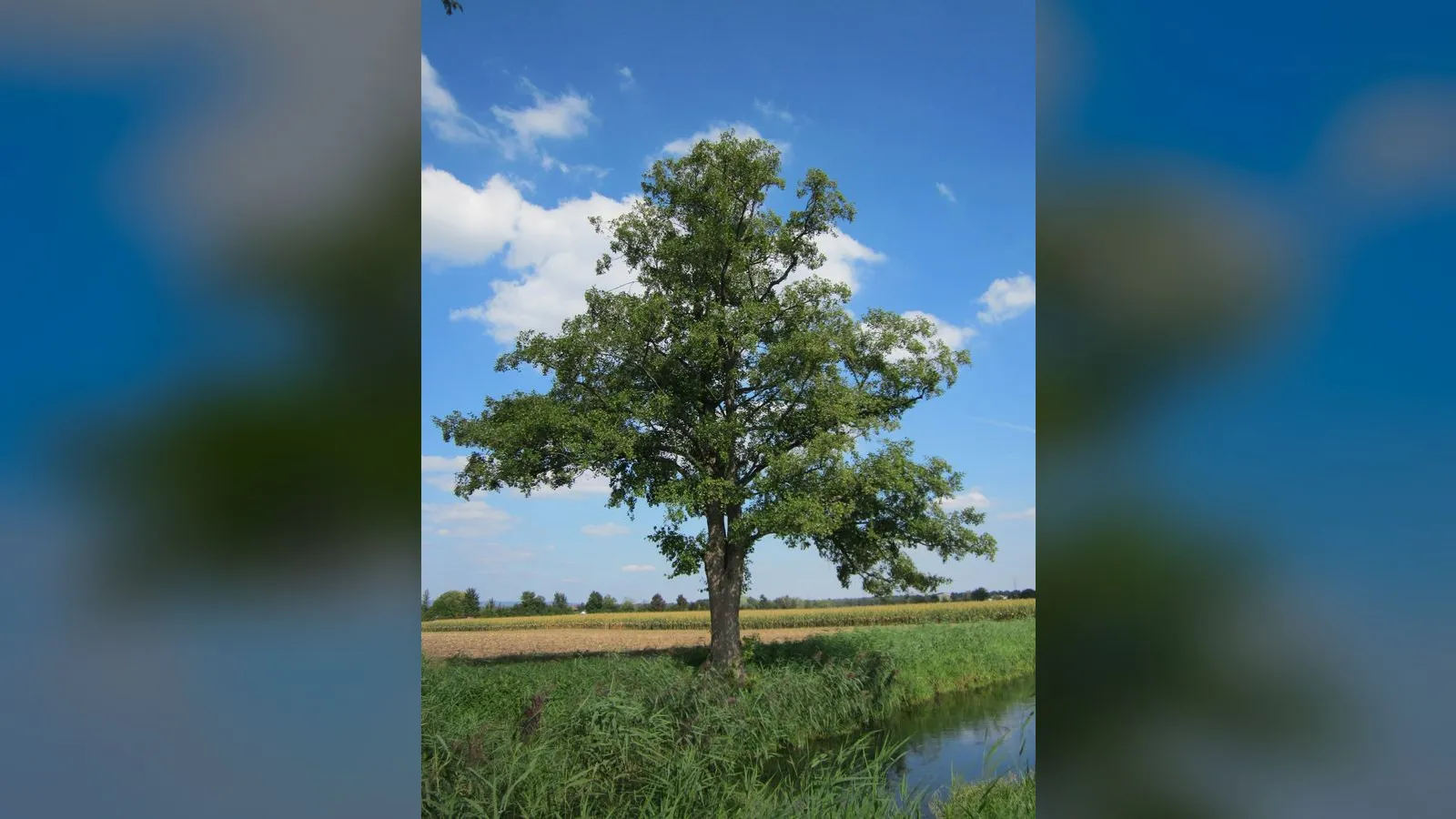

Alder (Alnus glutinosa)
Contents
TL;DR
- established Alder forms a genuine symbiotic partnership with the bacterium Frankia alni, which absorbs nitrogen directly from the air and makes it available to the tree, meaning alder actively enriches the soil around it rather than simply tolerating poor ground — a specific, documented biological mechanism this article names directly rather than a vague claim that alder "likes wet soil."
- established Alder is the most common tree in Scotland's riparian (riverbank) forests, stabilising banks through deep root systems that reduce erosion, while its exposed roots shelter fish and its decomposing leaves feed caddisfly larvae and other aquatic invertebrates that in turn support salmon and trout — a specific, documented chain of ecological dependency this article states directly rather than a vague reference to alder "helping rivers."
- established When alder wood is freshly cut, the pale timber turns a deep orange and releases orange-red sap, a phenomenon ancient warriors interpreted as the tree's spirit "bleeding," and Celtic tradition held that a shield made from alder wood imbued its carrier with ferocity and protection in battle — a specific, documented physical trigger behind the folklore this article states directly rather than treating the symbolism as arbitrary.
- established Phytophthora alni, a pathogen first identified affecting alder in Britain in 1993, causes a distinctive tarry or rusty spot at the base of infected trees where the inner bark is killed, and is capable of killing alder on a large scale if left unchecked, with heavy losses already recorded in parts of western England, Wales, and Scottish river systems — a specific, documented, ongoing disease threat this article states plainly rather than treating alder's ecological role as currently secure.
- established Alder's traditional Highland uses extracted three genuinely distinct dye colours from different parts of the same tree — brown from twigs, red from bark, and green from flowers — while Bronze Age archaeological evidence shows the wood was specifically used to produce charcoal for forging weapons, a specific, documented range of practical and craft uses this article names directly rather than a vague reference to alder's "traditional importance."
Key Facts
- Scientific name
- Alnus glutinosa
- Category
- Trees
- Typical lifespan
- ~150 years
- Maximum height (Scotland)
- Up to 20m
- Key ecological partner
- Frankia alni (nitrogen-fixing bacterium)
- Key habitat role
- Most common tree in Scottish riparian (riverbank) forests
- Current disease threat
- Phytophthora alni (first identified in Britain, 1993)
- Elevation range
- Up to 500m
Scottish Impact Index (SI Score)
- Scottish Significance
- 7/10
- Ecological Persistence
- 9/10
- Ecological Importance
- 9/10
- Botanical Distinctiveness
- 7/10
- Conservation Significance
- 7/10
- Recognition
- 7/10
46/60
Ranked =27th of 45 in Flora
A Note on Claims and Evidence
Biology, nitrogen-fixing symbiosis, riverbank ecology, and Scottish distribution details are drawn from Trees for Life's published assessment. Phytophthora alni disease details are drawn from the Forest Phytophthoras of the World database. Folklore, the "bleeding wood" phenomenon, and traditional dye and charcoal uses are drawn from published Celtic tree-folklore sources.
Timeline
Alder establishes itself as the most common tree in Scotland's riparian forests, growing throughout the country up to 500m elevation, though remaining rare in the Outer Hebrides and far northwest, a scarcity reflecting historical deforestation rather than a natural range limit.
Archaeological evidence shows alder wood used specifically to produce charcoal for forging weapons, reflecting an early, practical craft relationship with the tree.
Alder becomes symbolically significant in warfare: the orange-red sap released when the wood is freshly cut is interpreted as the tree's spirit "bleeding," and shields made from alder wood are believed to imbue their carriers with ferocity and protection in combat, with warriors forming deep attachments to individually named shields.
Highland dyers extract three distinct colours from different parts of the alder tree — brown from twigs, red from bark, and green from flowers — while, according to Welsh historical tradition, alder timber may also have been commercially cultivated and converted into clogs for farm workers.
Alder charcoal is prized for gunpowder, and coppices are sometimes planted near gunpowder works, as Richard Mabey records.
Phytophthora alni is first identified affecting alder bark in Britain, beginning a disease threat that continues to the present.
Phytophthora alni causes heavy losses in some alder populations in western England, Wales, and Scottish river systems, posing a documented, ongoing risk to a tree whose nitrogen-fixing and riverbank-stabilising roles remain ecologically significant across Scotland.
Details
A nitrogen-fixing partnership stated with its real mechanism
This article names alder's relationship with soil fertility precisely rather than a vague claim that it "likes wet soil": the tree forms a genuine symbiotic partnership with the bacterium Frankia alni, which absorbs nitrogen directly from the air and makes it available to the tree. This article states this mechanism directly because it clarifies that alder actively enriches the ground it grows in, supporting the successional development of other woodland species, rather than merely surviving in nutrient-poor conditions.
A riverbank ecological role traced through its real chain of dependency
This article names alder's importance to river ecosystems with real specificity rather than a vague reference to alder "helping rivers": its deep root systems stabilise banks and reduce erosion, its exposed roots shelter fish, and its decomposing leaves feed caddisfly larvae and other aquatic invertebrates that in turn support salmon and trout. This article states this chain directly because it demonstrates a genuine, multi-step ecological dependency running from the tree itself through to some of Scotland's most significant fish species, not a single isolated benefit.
A folklore belief anchored in a real physical phenomenon
This article names the specific physical trigger behind alder's warfare symbolism directly rather than treating it as arbitrary: freshly cut alder wood turns a deep orange and releases orange-red sap, a phenomenon ancient warriors interpreted as the tree's spirit "bleeding," leading to the belief that shields made from alder wood imbued their carriers with ferocity and protection in combat. This article states this mechanism because it clarifies that the folklore was rooted in something people could directly observe, not an unexplained cultural assumption.
A disease threat stated as current and ongoing, not historical
This article names Phytophthora alni directly as an active, documented threat rather than a resolved historical episode: first identified affecting alder bark in Britain in 1993, the pathogen produces a distinctive tarry or rusty spot at the base of infected trees and is capable of killing alder on a large scale if left unchecked, with heavy losses already recorded in parts of western England, Wales, and Scottish river systems. This article states this ongoing risk plainly because alder's ecological significance to Scotland's riverbanks and nitrogen cycling is not something that can be treated as currently secure.
A traditional craft and dye use named with its real specific range
This article states alder's traditional Highland uses with real precision rather than a vague reference to its "traditional importance": three genuinely distinct dye colours were extracted from different parts of the same tree — brown from twigs, red from bark, and green from flowers — while Bronze Age evidence shows the wood was used specifically to produce charcoal for forging weapons. This article names these specific, documented uses because they demonstrate a genuinely varied practical relationship with the tree, not a single generic craft application.
Alder in Flora Britannica (1996)
established The colour of the wood. Richard Mabey, in Flora Britannica (1996), confirms the physical basis of the "bleeding" folklore: alder wood is white when first cut but darkens on exposure to the air to "a fresh orange or chestnut colour". His entry does not discuss the Celtic shield tradition, which rests on later folklore writing.
established Wood that lasts under water. Mabey notes that alder does not rot when kept wet, so it was used for piles to shore up canal and river banks. He gives its chief commercial uses as clogs and charcoal for gunpowder, adding that alder coppices were sometimes planted deliberately near gunpowder works. This confirms clog-making as a general British use, not only a Welsh one. By the 1990s it was used chiefly for brush-backs and tool handles, and one contributor described alder branches being put in cupboards as a lure for woodworm, which would lay eggs in the alder in preference to other wood.
established A tree that records drainage. Mabey calls alder "a depressing indicator" of the impact of drainage on wetlands. Because its deep tap-roots let it survive for years in ground that has dried out, the shrinking soil exposes its fluted upper roots, giving drained alder stands the look of "land-bound mangroves". He lists old English names such as aller, water aller, waller, woller and orle, but records no distinctively Scottish names or customs, so his entry adds little that is specific to Scotland.
Did You Know?
- Alder wood does not rot under water, which is why it was used for piles to shore up river and canal banks.
- Alder charcoal was valued for gunpowder, and alder coppices were sometimes planted close to gunpowder works.
- Alder partners with a nitrogen-fixing bacterium, Frankia alni, which lets the tree enrich the soil it grows in.
- It's the most common tree in Scotland's riparian (riverbank) forests, and its decomposing leaves ultimately help feed salmon and trout via aquatic invertebrates.
- Freshly cut alder wood turns deep orange and releases orange-red sap, a phenomenon ancient warriors interpreted as the tree's spirit "bleeding."
- Celtic tradition held that shields made from alder wood gave their carriers ferocity and protection in battle.
- Highland dyers extracted three different colours from the same tree: brown from twigs, red from bark, and green from flowers.
- Bronze Age people used alder wood specifically to make charcoal for forging weapons.
- A disease called Phytophthora alni, first identified in Britain in 1993, is actively causing heavy alder losses in parts of western England, Wales, and Scottish river systems.
- Alder's scarcity in the Outer Hebrides and far northwest reflects historical deforestation, not a natural range limit.
FAQ
1Why is alder important for soil fertility?
It forms a symbiotic partnership with the bacterium Frankia alni, which absorbs nitrogen from the air and makes it available to the tree, enriching the surrounding soil.
2How does alder help rivers and fish?
Its deep roots stabilise riverbanks and reduce erosion, its exposed roots shelter fish, and its decomposing leaves feed aquatic invertebrates such as caddisfly larvae, which in turn support salmon and trout.
3Why does alder wood turn orange when cut?
Freshly cut alder releases orange-red sap and the pale timber darkens to deep orange — a real phenomenon that ancient warriors interpreted as the tree's spirit "bleeding."
4What was the Celtic belief about alder shields?
That a shield made from alder wood would imbue its carrier with ferocity and protection in combat; warriors often named their shields individually.
5What disease currently threatens alder?
Phytophthora alni, first identified in Britain in 1993, which can kill alder on a large scale if left unchecked and is already causing heavy losses in parts of western England, Wales, and Scottish river systems.
6What traditional dyes came from alder?
Three distinct colours from different parts of the tree — brown from twigs, red from bark, and green from flowers.
7What other traditional uses did alder have?
Bronze Age charcoal production for forging weapons, and, according to Welsh historical tradition, timber converted into clogs for farm workers.
8Why was alder used for underwater work?
Because it does not rot when kept permanently wet. Richard Mabey's Flora Britannica (1996) records its use for piles to strengthen canal and river banks.
9How can alder show that a wetland has been drained?
Alder survives for years in dried-out ground, but as the soil shrinks its upper roots are exposed, so drained alder stands look raised on stilts.
10Why is alder rare in the Outer Hebrides?
Historical deforestation, not a natural limit on its range — alder can otherwise grow throughout Scotland up to 500m elevation.
Sources and Further Reading
Primary/Institutional
- Alder facts and information — Trees for Life
- Alder (Alnus glutinosa) — British Trees, Woodland Trust
Scholarly/Critical
- Phytophthora alni — Disease overview, Forest Phytophthoras of the World
- Dieback of riparian alder caused by the Phytophthora alni complex: projected consequences for stream ecosystems — Freshwater Biology (Wiley)
- Richard Mabey, Flora Britannica (Sinclair-Stevenson, 1996).
General
Caveats: Myths and Disputed Claims
- Clarification: This article does not treat alder's "bleeding wood" folklore as an unexplained cultural belief; it is anchored in a real, observable physical phenomenon — the orange-red sap and colour change released by freshly cut wood.
- Do not treat the Celtic alder-shield belief as documented in the botanical record; it comes from modern folklore writing, and Flora Britannica confirms only the colour change of the cut wood.
- Note: This article does not describe Phytophthora alni as a resolved historical disease episode; it remains an active, ongoing threat, with heavy losses currently recorded in specific regions including Scottish river systems.
Card 015 · Flora