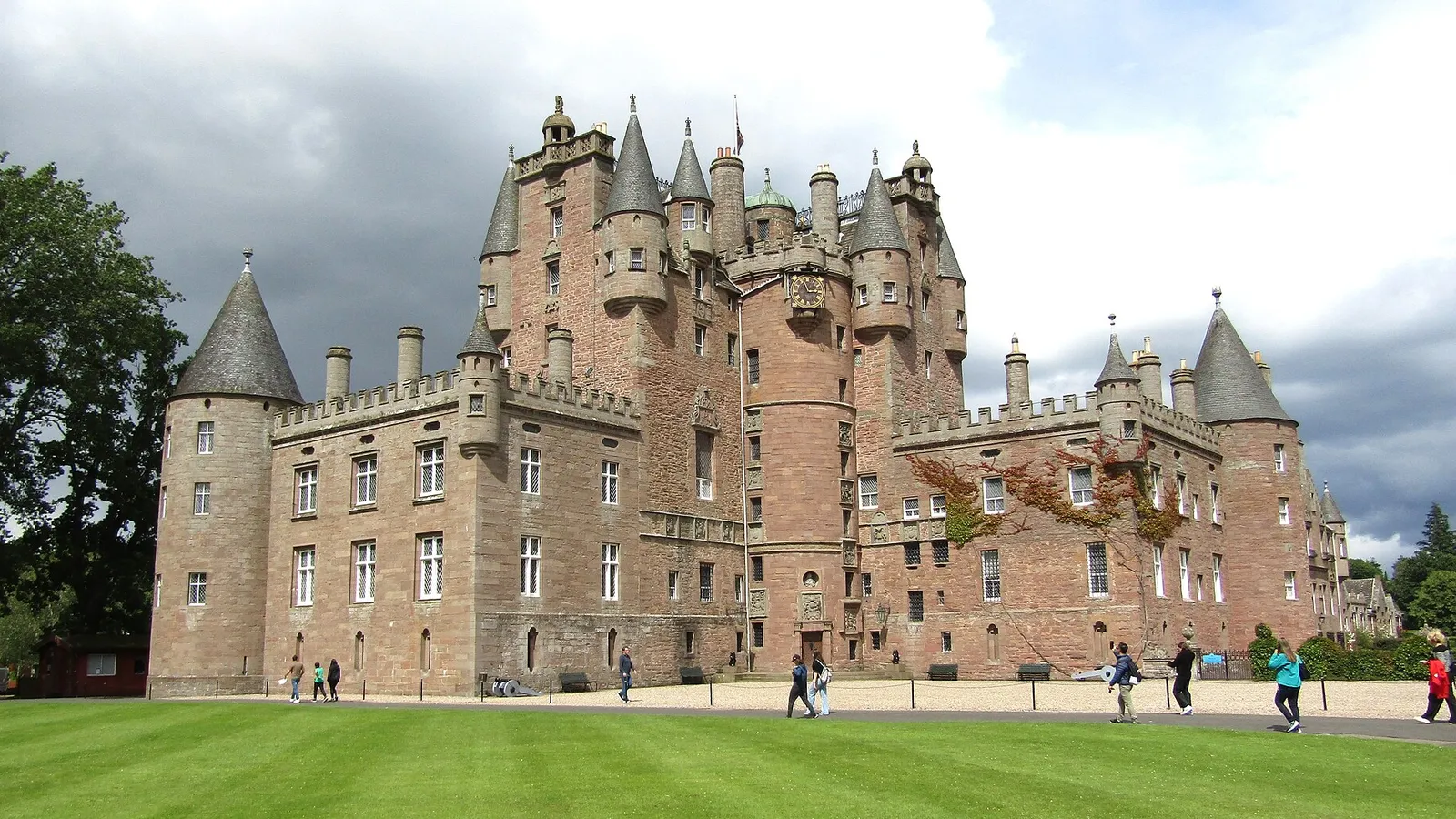

The Ghost of Glamis
Contents
Legend/Myth
Popular retellings often conflate "the Monster of Glamis" (a separate, later legend about a deformed or hidden heir) with "Earl Beardie's" card-game ghost. This card is specifically the older, better-attested Earl Beardie legend — a gambler who defies the Sabbath and is doomed to play cards with the Devil forever behind a sealed door.
TL;DR
- established — Alexander Lindsay, 4th Earl of Crawford (d. 1453), known as "Earl Beardie," was a real historical magnate notorious for his rebellion against James II and his violent reputation, because his career is documented in Scottish peerage and political history independent of any ghost story.
- disputed — The specific legend of Beardie gambling with the Devil for playing cards on the Sabbath, and being condemned to continue forever in a sealed room at Glamis Castle, has no attestation anywhere near his own 15th-century lifetime, because the earliest detailed versions on record date from 19th-century ghost-story compilations, centuries after his death.
- established — Glamis Castle (Angus) has a long-standing and widely reported reputation for a "secret room" known only to the Earl of Strathmore, his heir, and the estate factor, because this specific claim is independently repeated across multiple 19th- and 20th-century sources describing the castle's traditions.
- disputed — The idea that the room's location and Beardie's fate are literally true rather than a moralising story about Sabbath-breaking is unprovable either way, because no sealed room matching the legend's description has ever been publicly identified or opened.
- established — The Beardie legend is distinct from, though often confused with, the separate "Monster of Glamis" rumour about a hidden, deformed heir, because these are two different stories with different origins that popular culture has blurred together over time.
Key Facts
- Type of Being/Legend/Figure
- Aristocratic ghost legend / haunted-house tradition
- Region
- Glamis, Angus
- First Attested
- Alexander Lindsay died 1453; detailed ghost legend first recorded in depth in 19th-century compilations (e.g. 1897)
- Category
- Hauntings
- SI Score
- 42/60
- Status note
- Standard card — ghost legend only, distinct from the separate Glamis Castle architecture/history card
A Note on Claims and Evidence
Earl Beardie himself is solid history — a documented, controversial 15th-century nobleman. The ghost story attached to his name, however, belongs to a much later layer of tradition, with its fullest written versions appearing in 19th-century collections of British haunted-house lore rather than in anything close to his own time. This article is careful to keep those two chronological layers distinct.
Timeline
Alexander Lindsay, later 4th Earl of Crawford, born.
Lindsay becomes notorious for violent feuding and rebellion against the authority of James II.
Fights on the losing side at the Battle of Brechin against royal forces; dies in 1453.
Glamis Castle, seat of the Earls (later Earls of Strathmore and Kinghorne), accrues a general reputation for mystery, including references to a "secret" or "hidden" chamber.
Detailed written versions of the card-game-with-the-Devil legend appear in popular ghost-story and "haunted homes" compilations, including works such as The Haunted Homes and Family Traditions of Great Britain (1897).
The Beardie legend becomes entangled in popular retelling with the separate "Monster of Glamis" rumour.
The castle remains one of Scotland's most visited "haunted" tourist sites, with the Beardie legend a centrepiece of its ghost tours.
Details
Who Earl Beardie was
Alexander Lindsay, 4th Earl of Crawford, was a genuinely formidable and troublesome figure in 15th-century Scottish politics. Nicknamed "Beardie" for his heavy beard, he rebelled against the authority of James II and was defeated at the Battle of Brechin in 1452, dying the following year. His reputation for cruelty and violence was well-established in his own lifetime and needs no supernatural embellishment — which makes the later ghost story something added to an already notorious historical figure, not invented from nothing.
The card game with the Devil
The core legend holds that Beardie, refused card partners on a Sunday because gambling on the Sabbath was considered sinful, declared he would play with the Devil himself if no one else would join him. A tall, dark stranger duly appeared and the two settled into a game that, in most versions, has never ended. A servant who dared peer through the keyhole to see what was happening was struck blind in one eye by a blast of unnatural light. The room in which the game took place was afterwards sealed up, and Beardie — so the story goes — continues gambling behind that door for eternity.
The secret room
Glamis Castle's associated claim of a "secret room," known only to the reigning Earl, his heir, and the estate factor, has circulated widely and independently across multiple accounts of the castle's traditions. Whether this room is the same one in which Beardie supposedly plays cards, a different space altogether, or simply a generalised piece of stately-home mystique that later attached itself to the gambling legend, is impossible to establish from the outside — the whole point of the tradition, after all, is that outsiders are not told.
Distinguishing Beardie from the "Monster of Glamis"
This legend is frequently blurred in popular culture with a separate and distinct Glamis tradition: the "Monster of Glamis," a rumour that a deformed or otherwise concealed heir to the earldom was hidden within the castle during the 19th century. That is a different story, from a different and much later period, concerning different people, and this card does not cover it. Readers encountering both stories together elsewhere should treat them as two independent pieces of Glamis folklore that share only their setting.
Relationship to the castle itself
Glamis Castle as a building — its architecture, ownership history, and role as a royal residence (it is closely associated with the Bowes-Lyon family and the Queen Mother) — is covered on a separate Locations card elsewhere in this collection. This card is specifically about the ghost legend; readers wanting the castle's structural and family history should look there.
Did You Know?
- Earl Beardie's defeat at the Battle of Brechin in 1452 was a real and significant setback for royal authority in Scotland, independent of any later ghost story.
- The "struck blind by supernatural light" detail attached to the servant-at-the-keyhole motif recurs in several British haunted-house legends, not only at Glamis.
- No sealed room matching the legend's description has ever been publicly opened or confirmed to exist at Glamis Castle.
- The castle's "secret room" claim and the Beardie ghost story may originally have been two separate pieces of estate mystique that fused together over time.
- The Beardie legend is frequently confused in popular media with the unrelated "Monster of Glamis" rumour about a hidden heir — a separate and much later story.
- Glamis Castle has long been associated with the British royal family, which has only added to the castle's mystique and the legend's staying power.
- The Sabbath-breaking framing of the legend reflects the strict religious culture of post-Reformation Scotland, where gambling on a Sunday carried real moral weight.
- Most detailed written versions of the story only appear in print from the 19th century onward, despite being set in the 15th.
FAQ
1Who was Earl Beardie?
Alexander Lindsay, 4th Earl of Crawford, a real 15th-century Scottish nobleman known for his rebellion against James II and his violent reputation, who died in 1453.
2Is the ghost story about him true?
The man and his historical notoriety are documented; the specific legend of him playing cards with the Devil for eternity is a much later tradition with no attestation close to his own lifetime.
3What is the "secret room" at Glamis?
A long-standing claim, repeated across multiple independent sources, that Glamis Castle contains a hidden chamber known only to the Earl, his heir, and the estate factor — its contents and exact nature remain undisclosed by tradition.
4Is the secret room the same place Beardie is said to haunt?
Most popular versions assume so, but this cannot be confirmed; the two claims may have originally been separate pieces of castle lore that merged in retelling.
5What is the "Monster of Glamis," and is it the same story?
No — that is a separate, later 19th-century rumour about a hidden or deformed heir to the earldom. It is a different legend from a different period and is not covered by this card.
6Why did Beardie supposedly end up playing cards with the Devil?
The legend says he was refused card partners on a Sunday, due to the sinfulness of gambling on the Sabbath, and declared he would play with the Devil if no one else would.
7What happened to the servant who tried to look in on the game?
According to the legend, a servant who peered through the keyhole was struck blind in one eye by a flash of unnatural light.
8Does Glamis Castle still claim to have this secret room today?
The castle's own tourist tradition continues to reference a secret room as part of its history, though its exact location and contents are, by the terms of the tradition itself, not revealed.
9Is this card about the castle's architecture and history?
No — the castle's building history and royal associations are covered on a separate Locations card elsewhere in this collection; this card covers the ghost legend specifically.
10When was this legend first written down in detail?
The fullest surviving written versions date from 19th-century compilations of British haunted-house lore, such as an 1897 collection — centuries after Beardie's own lifetime.
11Is there any version of the story where someone else, not Beardie, is the gambler?
Yes — the legend has been attributed to different nobles in different retellings over the centuries, a common feature of orally transmitted ghost stories that attach themselves to whichever notorious figure is most convenient.
12Why is this legend still popular today?
Glamis Castle's continued prominence as a visited historic and royal-associated site, combined with the inherent drama of an eternal card game with the Devil, has kept the story in active circulation through modern ghost tours and media coverage.
Sources and Further Reading
Primary/Institutional
- Scottish peerage records documenting Alexander Lindsay, 4th Earl of Crawford, and his role in 15th-century political conflict.
Scholarly/Critical
- 19th-century British "haunted homes" compilations as the earliest detailed written sources for the Beardie card-game legend, including The Haunted Homes and Family Traditions of Great Britain (1897).
General
Caveats: Myths and Disputed Claims
- There is no contemporary 15th-century source connecting Alexander Lindsay to a card game with the Devil; the detailed legend as it is known today is first attested in depth centuries later, in 19th-century ghost-story compilations.
- The "secret room" claim and the Beardie ghost legend are often presented as a single story, but they may have separate origins that only later became fused in popular retelling.
- This card deliberately excludes the "Monster of Glamis" rumour (a 19th-century story about a hidden or deformed heir), which is a distinct legend frequently and incorrectly conflated with the Beardie story in popular media.
- No sealed or hidden room matching the legend's description has ever been publicly confirmed, opened, or documented by the Strathmore estate; the claim rests entirely on tradition, not verification.
Card 043 · Folklore