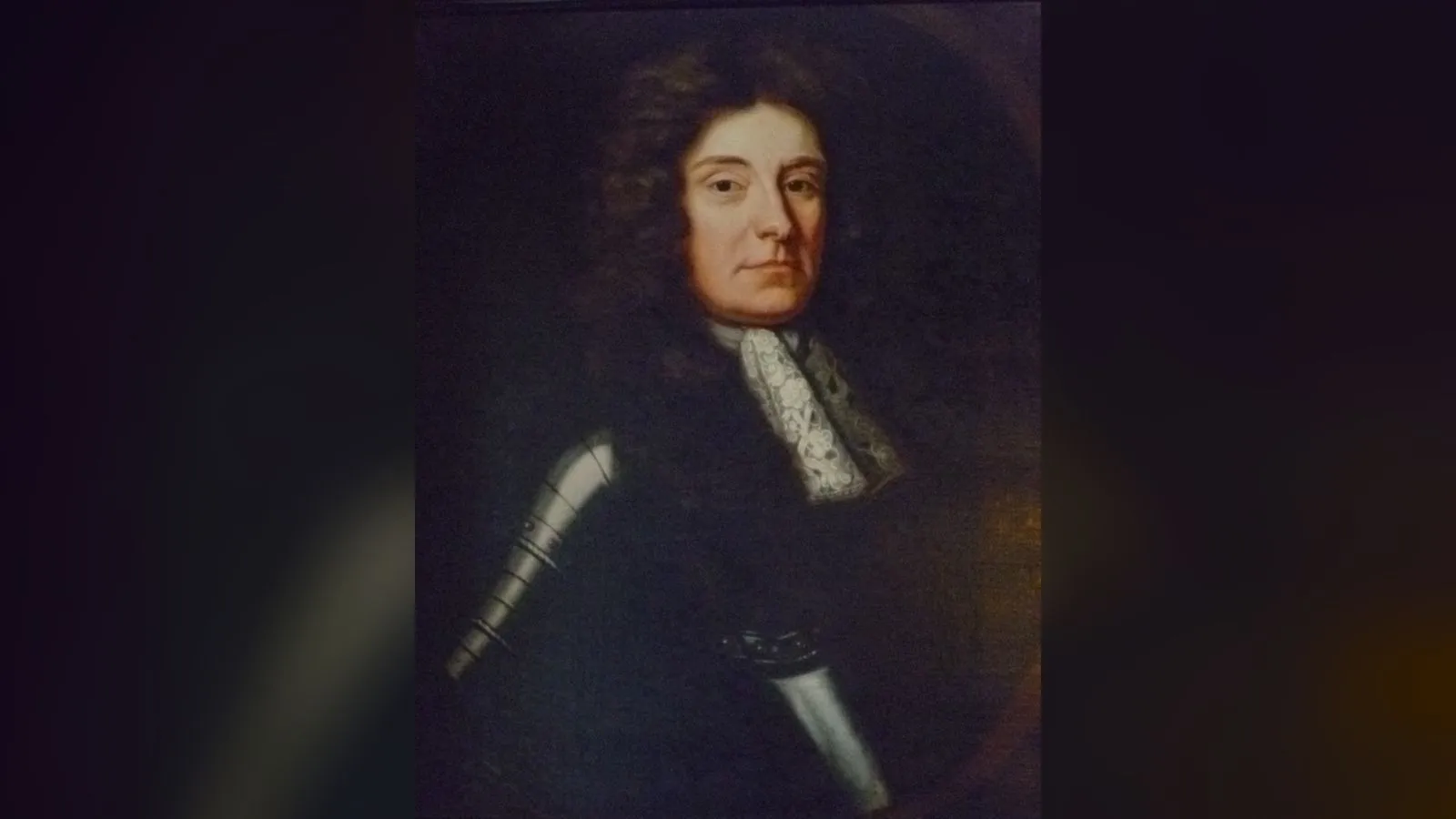

Archibald Campbell, 9th Earl of Argyll (1629–1685)
Contents
TL;DR
- established Born to the executed 1st Marquess of Argyll but himself a genuine Royalist during the Civil War period, Archibald Campbell's political loyalties were repeatedly tested and ultimately betrayed by the Restoration monarchy — his inherited power, Presbyterian sympathies, and political independence made him perpetually suspect to both Charles II and James II, regardless of his own actual conduct.
- established In 1681, Campbell was convicted of treason on manifestly unjust grounds, stemming from a carefully qualified oath of acceptance to the new Test Act that his enemies deliberately exploited; the English statesman Lord Halifax reportedly told Charles II that "in England they would not hang a dog" on such pretenses, a judgment this article presents as reflecting genuine, widely shared contemporary disquiet at the verdict's unfairness, not retrospective sympathy.
- established Campbell made a celebrated escape from Edinburgh Castle in 1681, disguised in women's clothing with the help of his stepdaughter Sophia Lindsay, before fleeing into Dutch exile, where his political position shifted significantly toward the Whig opposition to the Stuart regime.
- established In 1685, following James II's accession, Campbell returned to Scotland leading an armed rising timed to coincide with the Duke of Monmouth's rebellion in England; the rising collapsed rapidly due to poor coordination, dwindling support, and his own documented hesitation at several key military decision points, and he was captured attempting to cross the River Clyde.
- established Campbell was executed by the Maiden (a guillotine-like device) in Edinburgh on 30 June 1685, meeting his death with remarkable, well-documented composure — though this article notes directly that some contemporaries attributed this calm partly to lasting effects of a severe head injury he had sustained decades earlier, a detail genuinely debated rather than settled in the historical record.
Key Facts
- Born
- 26 February 1629, Dalkeith, Scotland
- Died
- 30 June 1685, Edinburgh (executed)
- Known for
- 1681 treason trial and escape; 1685 "Argyll's Rising"
- Father
- Archibald Campbell, 1st Marquess of Argyll (executed 1661)
- 1681 charge
- Treason, arising from a qualified oath on the Scottish Test Act
- Execution method
- The Maiden (Scottish guillotine), Edinburgh
- Successor
- His son, Archibald Campbell, 1st Duke of Argyll
Scottish Impact Index (SI Score)
- Global Influence
- 2/10
- Enduring Relevance
- 6/10
- Material Contribution
- 1/10
- Exceptional Achievement
- 3/10
- Lasting Legacy
- 2/10
- Recognition
- 1/10
15/60
Ranked =194th of 200 in Great Scots
A Note on Claims and Evidence
Campbell's biography, his 1681 trial and escape, his years in Dutch exile, and his 1685 rising and execution are extensively documented in contemporary records and historical scholarship, and are treated as Established throughout this article. Historical assessments of his personal character diverge, as this article notes directly, between less flattering contemporary and pro-Jacobite portrayals and more sympathetic later readings informed by his own surviving letters.
Timeline
Born in Dalkeith to Archibald Campbell, 1st Marquess of Argyll.
Enrolls at Glasgow University.
Travels in France and Italy, partly to avoid Scotland's political turmoil.
Writes to Queen Henrietta Maria pledging Stuart loyalty after Charles I's execution.
His father, the 1st Marquess of Argyll, is executed for treason following the Restoration.
His grandfather's title and estates are restored to him.
Appointed to the Scottish Privy Council.
Marries his second wife, Lady Anna Mackenzie.
The Scottish Test Act is introduced; Campbell accepts it only with a significant qualifying caveat.
Arrested on charges of treason and related offences.
Tried before a jury largely composed of his enemies.
Sentenced, in absentia, to death and forfeiture.
Escapes from Edinburgh Castle disguised as a page, aided by his stepdaughter Sophia Lindsay.
Lives in exile in the Netherlands, aligning with Whig opponents of the Stuart regime.
Charles II dies; James II (formerly Duke of York) accedes to the throne.
Sails from the Vlie with around 300 men to launch a rising in Scotland, timed with the Duke of Monmouth's rebellion in England.
Captured near Inchinnan after fording the River Clyde.
Executed by the Maiden in Edinburgh.
Details
A loyalty repeatedly tested and betrayed
Campbell was born in 1629 to Archibald Campbell, 1st Marquess of Argyll, the powerful Covenanter leader who was ultimately executed for treason after the Restoration in 1661. Despite his father's Presbyterian political alignment, the younger Campbell had himself maintained genuine Royalist sympathies during the Civil War period, writing to Queen Henrietta Maria to pledge loyalty to the Stuart cause after Charles I's execution. This article presents directly the central, recurring irony of his career: despite this authentic personal loyalty, his inherited Highland power, religious sympathies, and political independence made him perpetually suspect to both Charles II and James II regardless of his actual conduct — his title and estates were restored in 1663, but he spent the subsequent two decades navigating a political environment that never fully trusted him.
A carefully worded oath, and a manifestly unjust trial
The decisive crisis came with the 1681 Scottish Test Act, which required office-holders to swear an oath affirming Protestant faith and absolute royal authority — a measure Campbell recognised as internally contradictory, since it demanded obedience to the monarch even in religious matters while the royal family itself remained exempt from its terms. When required to swear, he qualified his acceptance with the caveat "only in as far as it is consistent with itself," a carefully reasoned hedge that his political enemies, led by James, Duke of York, seized upon as grounds for his arrest and prosecution. His subsequent trial on 12 December 1681 was conducted before a jury substantially composed of his enemies and judges including his hereditary rival the Marquess of Montrose; Campbell declined to mount a defence, was acquitted of perjury but convicted on other counts, and was sentenced to death and forfeiture in his absence. This article states plainly, following the judgment of contemporaries including the English statesman Lord Halifax — who told Charles II that in England "they would not hang a dog" under such pretenses — that the verdict reflected genuine, widely recognised injustice rather than any legitimate legal process, a characterisation the historical record substantially supports.
A dramatic escape, and a changed political allegiance
Campbell's escape from Edinburgh Castle later in 1681 is among the more celebrated episodes of his life: his stepdaughter, Sophia Lindsay, secured visiting privileges and brought a disguised companion into his cell, after which Campbell exchanged clothes and slipped past guards dressed as a page, narrowly avoiding detection. He made his way via intermediaries to England and eventually to the Netherlands, where his political trajectory shifted substantially — the man who had once pledged loyalty to the Stuart cause now became a significant figure within Whig opposition circles surrounding the Earl of Shaftesbury, and correspondence later uncovered after the Rye House Plot revealed his active negotiations to fund an armed Scottish rising against the regime.
A poorly coordinated rising, and capture
Following Charles II's death and James II's accession in 1685, Campbell resolved to act, sailing from the Netherlands in May 1685 with roughly 300 men in an expedition timed to coincide with the Duke of Monmouth's rebellion in England, funded in part by contributions including £1,000 from the philosopher John Locke. This article presents the rising's failure honestly and specifically, rather than attributing it vaguely to bad luck: an early arrest at Orkney alerted authorities to the expedition before it properly began; many militant Presbyterians who might otherwise have supported him instead resented his earlier involvement in the execution of their own leader, Donald Cargill; and the government had already ensured that many of his former tenants' land holdings had transferred to the Crown following his 1681 condemnation, stripping him of the local support his family name might otherwise have commanded. Campbell's own conduct during the campaign compounded these structural problems — he hesitated at Tarbert over whether to invade the Lowlands, was effectively delayed for three days at Bute, and, even when positioned advantageously against royal troops near Dumbarton, saw his own officers reject his proposal to engage. His force dwindled from roughly two thousand men to barely five hundred, and he was ultimately captured on 18 June 1685 near Inchinnan after fording the River Clyde, reportedly recognised only when he cried out "Alas, unfortunate Argyll!" as he fell under a weaver's blow, his pistol powder dampened by the river crossing.
A composed death, genuinely debated
Campbell was executed by the Maiden, a guillotine-like beheading device, in Edinburgh on 30 June 1685, meeting his death with a composure contemporaries found remarkable — an official reportedly found him sleeping peacefully shortly before the execution. This article notes directly, rather than presenting this calm as simple, uncomplicated courage, that some critics at the time attributed it partly to lasting effects of a severe head injury Campbell had sustained decades earlier, in 1658, when struck by a bowl during a game — a genuinely debated point rather than a settled explanation, and one this article presents alongside, not instead of, the more straightforward reading of his composure as deliberate, prepared bravery, having spent months in exile anticipating exactly this outcome. On the scaffold, he delivered a speech against "Popery" and made a final, characteristically wry remark, calling the Maiden "the sweetest maiden he had ever kissed" as his "inlet to glory."
A legacy ultimately vindicated
Historical assessments of Campbell's personal character diverge sharply: pro-Jacobite historian Mark Napier repeated unflattering contemporary stories about his manner and appearance, while later historian Andrew Lang, examining his surviving private letters, found instead "a man of singularly affectionate character and tender heart." Regardless of this divergence, this article notes that his family's fortunes were decisively vindicated within a few years of his death: his eldest son, Archibald Campbell, went on to become a prominent Whig politician and eventually secured the full restoration of the family's title and status under the Protestant succession of William III — the very political course Campbell himself had died for, too soon to see it succeed.
Did You Know?
- 17th-century Campbell genealogies were part of the family's rise, not a nostalgic hobby. David Allan describes them as "a potent propaganda weapon" for a kindred "on the make", and notes that the earls of Argyll were credited with descent from King Arthur himself (Allan, 2002).
- Campbell escaped Edinburgh Castle in 1681 disguised in women's clothing with the help of his stepdaughter.
- The English statesman Lord Halifax told Charles II that his 1681 trial would not have been used in England "to hang a dog."
- His 1685 rising was partly undermined by the resentment of Presbyterians who blamed him for the earlier execution of their own leader, Donald Cargill.
- Philosopher John Locke contributed £1,000 to help fund his 1685 expedition.
- He was reportedly captured only after crying out his own name in distress while fleeing across the River Clyde.
- An official reportedly found him sleeping peacefully shortly before his execution.
- His final words on the scaffold included a wry joke calling the execution device "the sweetest maiden he had ever kissed."
- His son later achieved the full restoration of the family's title and fortunes under King William III.
FAQ
1What is Archibald Campbell, 9th Earl of Argyll, best known for?
His unjust 1681 treason conviction and dramatic escape from Edinburgh Castle, and his failed 1685 armed rising against James II, for which he was executed.
2Why was he convicted of treason in 1681?
He accepted the new Scottish Test Act with a qualifying caveat, which his political enemies seized upon to bring treason charges against him.
3How did he escape prison?
His stepdaughter, Sophia Lindsay, helped him escape Edinburgh Castle disguised as a page in 1681.
4What was "Argyll's Rising"?
His 1685 armed expedition to Scotland, timed to coincide with the Duke of Monmouth's rebellion in England, aiming to oppose James II.
5Why did the rising fail?
Poor coordination, early detection by authorities, lost local support due to prior land confiscations, and hesitation at key moments all contributed to its collapse.
6How was he executed?
By the Maiden, a guillotine-like device, in Edinburgh on 30 June 1685.
7Did his family recover after his execution?
Yes — his son became a prominent Whig politician and secured the full restoration of the family's title and estates under King William III.
8Was his composure at execution genuine courage?
Most historians read it as deliberate, prepared bravery, though some contemporaries also attributed it partly to lasting effects of an earlier head injury — a point this article presents as genuinely debated.
Sources and Further Reading
Primary/Institutional
- Archibald Campbell, 9th Earl of Argyll — Wikipedia
- Archibald Campbell, 9th Earl of Argyll — Encyclopaedia Britannica
- Argyll's Rising — Wikipedia
Scholarly/Critical
- David Allan, "Pedigree and Propaganda in Seventeenth-Century Scotland", in Edward J. Cowan and Richard J. Finlay (eds), Scottish History: The Power of the Past (Edinburgh University Press, 2002)
- Archibald Campbell, 9th Earl of Argyll — Clan Campbell Society of North America
- Archibald Campbell, 9th Earl of Argyll, and "The Argyll Rising" of 1685 — The Freelance History Writer
General
Caveats: Myths and Disputed Claims
- Clarification: The exact circumstances of Campbell's recognition and capture near Inchinnan in 1685, including the detail that he cried out his own name as he fell, are recorded in near-contemporary accounts but carry some of the embellishment typical of dramatic capture narratives from this period; this article presents the detail as widely reported rather than independently verified beyond doubt.
- Note: Whether Charles II and James II genuinely intended Campbell's 1681 death sentence to be carried out, or intended it chiefly as political humiliation and leverage, remains a point of genuine historical debate that this article does not resolve.
Card 173 · Great Scots