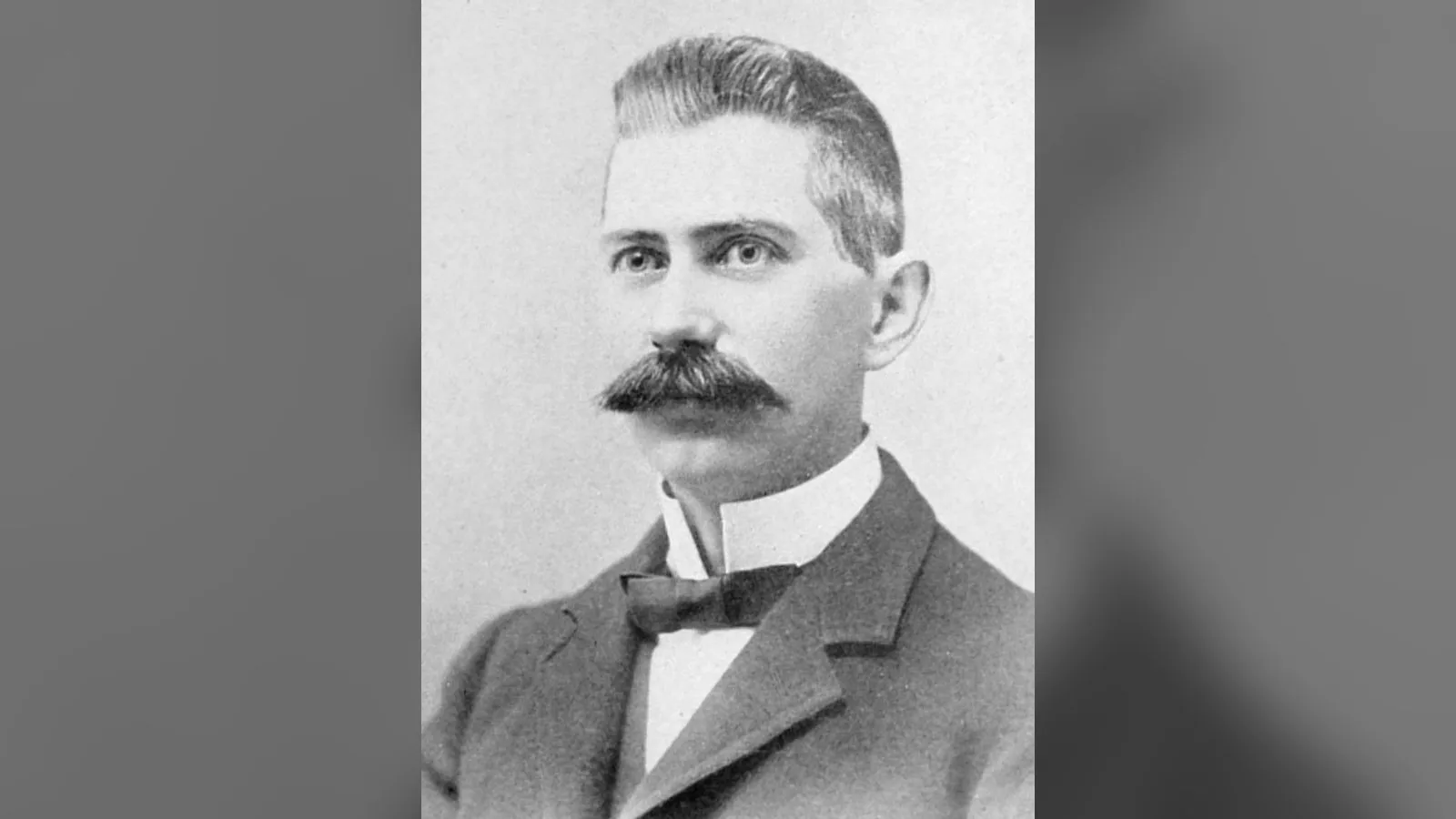

David Dunbar Buick (1854–1929)
Contents
TL;DR
- established Born in Arbroath, Scotland, and brought to Detroit as a two-year-old, Buick made his first fortune in plumbing, pioneering a commercially successful process for enamelling cast iron that made affordable white bathtubs widely available — a genuine, lasting innovation still used in manufacturing today, achieved years before he ever built a car.
- established He developed the "valve-in-head" overhead valve engine design, a genuine technical breakthrough that produced significantly more power than the side-valve engines common at the time and whose basic principle underlies the overhead-valve engines still used in vehicles today.
- established Buick founded the Buick Motor Company in 1903 with financial backing from Benjamin Briscoe, but by 1906 he had been effectively pushed out of the business entirely: William C. Durant, who took control as company president, bought out Buick's last remaining share for $100,000, severing his connection to the company that still bears his name.
- established Buick's subsequent ventures — in California oil, Florida real estate, and carburettor manufacturing — all failed, and by his final years he was genuinely destitute, working as a low-paid instructor at the Detroit School of Trades and unable to afford a telephone. This article treats his poverty and professional decline with full, direct weight, rather than allowing the Buick brand's later success to obscure the real hardship of his own final years.
- established He died of colon cancer in 1929 in near-poverty, even as the company bearing his name was already a major American automotive manufacturer — a stark and genuinely poignant contrast this article preserves rather than smoothing into a simple inventor's success story.
Key Facts
- Born
- 17 September 1854, Arbroath, Scotland
- Died
- 5 March 1929, Detroit, Michigan, aged 74
- Known for
- Founding the Buick Motor Company (1903); valve-in-head engine design; cast-iron enamelling process
- Emigrated
- 1856, as a two-year-old, with his family, to Detroit
- Lost control of Buick Motor Company
- 1906, bought out by William C. Durant
- Posthumous honour
- Inducted into the Automotive Hall of Fame, 1974
Scottish Impact Index (SI Score)
- Global Influence
- 5/10
- Enduring Relevance
- 7/10
- Material Contribution
- 5/10
- Exceptional Achievement
- 5/10
- Lasting Legacy
- 5/10
- Recognition
- 4/10
31/60
Ranked =84th of 200 in Great Scots
A Note on Claims and Evidence
Buick's biography, his plumbing-industry innovations, his engine design work, and the documented sequence of his loss of control over the Buick Motor Company are extensively recorded in American automotive industry history and treated as Established. His later financial failures and the genuine poverty of his final years are likewise Established from biographical and contemporary accounts, and are reported here directly, consistent with house style's commitment to presenting the full, honest arc of his life rather than allowing the Buick brand's subsequent success to stand in for his own.
Timeline
Born in Arbroath, Scotland.
Emigrates with his family to Detroit, Michigan, aged two.
Leaves school to begin working in the plumbing industry.
Purchases a plumbing company with a business partner.
Develops a lawn sprinkler and, significantly, a commercially successful process for coating cast iron with vitreous enamel, enabling affordable white bathtubs.
His plumbing partnership dissolves; he shifts focus to internal combustion engine development.
Develops the valve-in-head (overhead valve) engine design.
Founds the Buick Motor Company with a $5,000 loan from Benjamin Briscoe.
The company relocates to Flint, Michigan, under new financial backing.
William C. Durant, by then company president, buys Buick's last remaining share for $100,000, effectively ending his connection to the company.
Pursues a series of further business ventures — including California oil, Florida real estate, and carburettor manufacturing — all of which fail.
Works as a low-paid instructor at the Detroit School of Trades, living in near-poverty and unable to afford a telephone.
Dies in Detroit from colon cancer, aged 74, in genuine financial hardship.
Posthumously inducted into the Automotive Hall of Fame.
Details
From Arbroath to Detroit, and an early career in plumbing
Buick was born in Arbroath, Scotland, in 1854 and emigrated to Detroit with his family as a two-year-old. He left school at fifteen to enter the plumbing trade, and by 1882 had purchased his own plumbing company with a business partner. It was in this unglamorous early career that Buick first demonstrated genuine and lasting inventive talent, developing both a lawn sprinkler and, more significantly, a commercially successful process for coating cast iron with vitreous enamel — a technical breakthrough that made affordable white bathtubs widely available to ordinary consumers for the first time, and a manufacturing process whose basic principles remain in industrial use today. This article notes this plumbing-industry achievement directly, because it represents a genuine and independently significant innovation years before Buick ever turned his attention to the automobile.
A genuine engineering breakthrough
As the plumbing partnership wound down in 1899, Buick redirected his inventive energy toward the emerging field of internal combustion engines, and his central technical achievement — the "valve-in-head," or overhead valve, engine design — proved to be a genuine and consequential breakthrough. The design produced significantly more power than the competing side-valve engines common at the time, and the fundamental overhead-valve principle Buick pioneered continues to underlie the engine architecture used in the great majority of vehicles manufactured today, a lasting technical legacy independent of the subsequent fate of the company that bore his name.
Founding a company, and losing it entirely
Buick founded the Buick Motor Company in 1903, financed by a $5,000 loan from businessman Benjamin Briscoe, and the company relocated to Flint, Michigan, under further financial backing the following year. But Buick's control over the company he had founded proved short-lived: by 1906, William C. Durant — who would go on to found General Motors using Buick as its founding cornerstone — had risen to the company presidency and bought out Buick's last remaining ownership share for $100,000, a transaction that effectively and permanently severed Buick's connection to the business that continued to carry his name. This article reports this sequence plainly, since it is central to understanding the genuine irony of Buick's later life: a company built on his own engineering achievements went on to enormous and lasting commercial success entirely without him.
Decline, destitution, and an honest reckoning
The years following Buick's departure from the company were marked by sustained and genuine financial failure. He pursued a series of further business ventures across California oil speculation, Florida real estate, and carburettor manufacturing, none of which succeeded, and by the late 1920s he was living in real poverty — by 1928, he was working as a low-paid instructor at the Detroit School of Trades, a role that by most accounts left him unable even to afford a telephone. This article gives this period of genuine hardship its full, direct weight rather than treating it as a minor footnote to an otherwise triumphant inventor's story; the contrast between Buick's own circumstances and the parallel success of the company bearing his name is one of the starkest and most genuinely poignant reversals among major American industrial founders. He died of colon cancer in Detroit in March 1929, aged 74, in continuing financial hardship, even as Buick-branded vehicles numbered in the hundreds of thousands annually and the General Motors corporation his original company had helped found was already a dominant force in American industry.
A legacy recovered only after death
Buick's own personal legacy went largely unrecognised during his lifetime and for decades afterward, a genuine historical injustice this article does not pass over. It was not until 1974, 45 years after his death, that he was posthumously inducted into the Automotive Hall of Fame, a formal recognition of his founding role and his genuine technical contributions that had, by that point, been commercially eclipsed for generations by the company and brand that continued to bear his name without him.
Did You Know?
- Buick's cast-iron enamelling process, developed in the 1880s plumbing trade, is still used in manufacturing today, independent of his automotive career.
- His valve-in-head engine design principle underlies the overhead-valve engines used in most vehicles manufactured today.
- He was bought out of the company he founded in 1906 for $100,000, by William C. Durant, who went on to found General Motors using Buick as its cornerstone.
- By 1928, he was working as a low-paid trade-school instructor and could not afford a telephone.
- He died in 1929 in genuine financial hardship, even as the company bearing his name was already a major American automotive manufacturer.
- He was not posthumously inducted into the Automotive Hall of Fame until 1974, 45 years after his death.
- Over 35 million vehicles have been manufactured under the Buick name since the company's founding.
- He emigrated to Detroit from Arbroath, Scotland, as a two-year-old child.
FAQ
1What is David Dunbar Buick best known for?
Founding the Buick Motor Company in 1903 and developing the valve-in-head overhead valve engine design.
2Did Buick remain wealthy from the company bearing his name?
No — he was bought out of the company in 1906 and died in 1929 in genuine financial poverty, despite the Buick brand's enormous subsequent commercial success.
3What other inventions is he known for?
A commercially successful process for enamelling cast iron, which made affordable white bathtubs widely available, developed during his earlier career in plumbing.
4Why did he lose control of the Buick Motor Company?
Financial difficulties led him to accept outside investment; by 1906, William C. Durant, who became company president, bought out his last remaining ownership share.
5How did he die?
He died of colon cancer in Detroit in 1929, aged 74, while living in genuine financial hardship.
6Was he ever formally recognised for his contributions?
Yes, but only posthumously — he was inducted into the Automotive Hall of Fame in 1974, 45 years after his death.
7Where was he born?
Arbroath, Scotland, in 1854; his family emigrated to Detroit when he was two years old.
8What happened to the company after Durant took control?
Durant used Buick as the founding cornerstone of what became General Motors, one of the largest automotive manufacturers in the world.
Sources and Further Reading
Caveats: Myths and Disputed Claims
- Clarification: Buick is sometimes assumed to have remained connected to, or to have benefited financially from, the long-term success of the company bearing his name. In fact, he was bought out entirely in 1906 and had no ongoing financial stake in Buick's subsequent decades of commercial success.
- Note: This article treats Buick's later poverty and professional decline directly rather than minimising it, consistent with house style's commitment to giving the full, honest arc of a subject's life its due weight, rather than allowing a brand's later success to substitute for an accurate account of the founder's own fate.
Card 152 · Great Scots