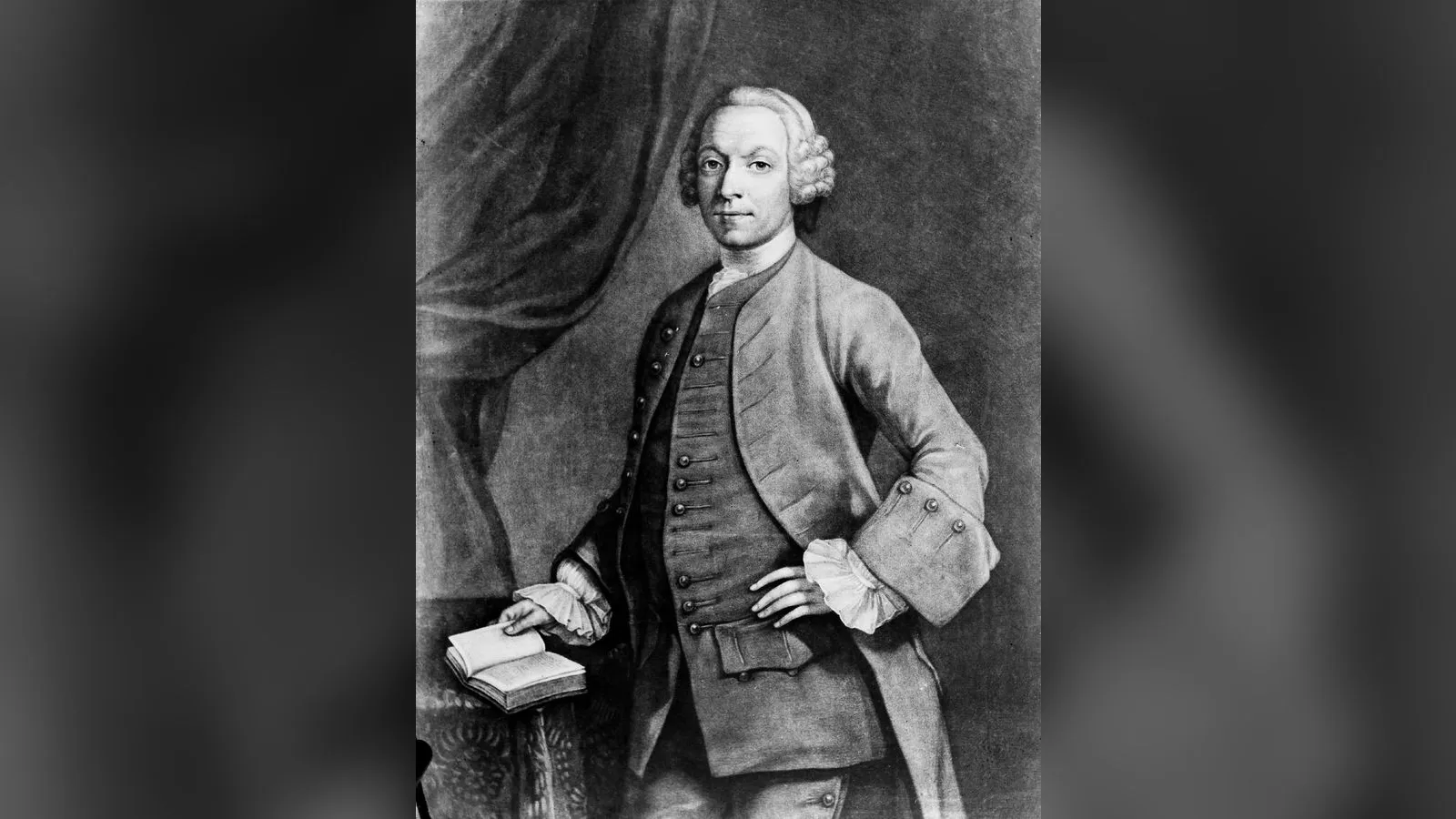

Donald Cameron of Lochiel, "Gentle Lochiel" (c. 1695–1748)
Contents
TL;DR
- established Born into a staunchly Jacobite family and chief of Clan Cameron from 1719, Donald Cameron initially harboured serious reservations about Charles Edward Stuart's 1745 rising, and committed the Camerons to the cause only after over three weeks of deliberation and after Charles personally guaranteed to compensate him for his estate should the rebellion fail — a decision contemporaries described as ultimately emotional rather than strategically calculated.
- established Cameron proved an effective and disciplined military commander despite no prior combat experience, and his insistence on sparing Edinburgh from reprisals after its bloodless capture in September 1745 became the foundation of his enduring posthumous reputation as "Gentle Lochiel" — though this article notes directly that the nickname itself was not contemporary, emerging only in nineteenth-century histories written decades after his death.
- disputed Despite this reputation for humanity, Cameron is also documented to have used harsh coercion — flogging and threats of eviction — to compel reluctant clansmen into his regiment, measures reportedly overseen by his brother Archibald; this article presents both the celebrated restraint and this coercive underside directly, rather than allowing the romanticised nickname to stand as the whole picture.
- established Severely wounded at Culloden in April 1746, Cameron was carried from the field, spent months in hiding alongside Prince Charles Edward Stuart, and escaped to France in September 1746, where he was honoured by Louis XV, never returned to Scotland, and died in French exile in 1748.
- established His rising cost Clan Cameron and his own family dearly — heavy losses at Culloden, a nephew killed, a brother tortured to death in English custody, and another brother later executed at Tyburn, reportedly betrayed in part by fellow Camerons resentful of the rising's human cost — a sobering legacy this article presents in full rather than letting the romantic "Gentle Lochiel" image obscure the real price paid by those who followed him.
Key Facts
- Born
- c. 1695, Achnacarry, Lochaber, Scotland
- Died
- 26 October 1748, Bergues, French Flanders
- Known for
- Chief of Clan Cameron; commander in the 1745 Jacobite rising; "Gentle Lochiel"
- Chief from
- 1719, succeeding his grandfather Sir Ewen Cameron
- Wounded
- Severely wounded at the Battle of Culloden, 16 April 1746
- Exile
- France, from September 1746; never returned to Scotland
- French honours
- Colonel, Régiment d'Albanie; commander, Garde Écossaise; Order of Saint Michael
Scottish Impact Index (SI Score)
- Global Influence
- 2/10
- Enduring Relevance
- 6/10
- Material Contribution
- 1/10
- Exceptional Achievement
- 3/10
- Lasting Legacy
- 2/10
- Recognition
- 1/10
15/60
Ranked =194th of 200 in Great Scots
A Note on Claims and Evidence
Cameron's biography, his role in the 1745 rising, his wounding at Culloden, his exile, and his death in France are well documented in Jacobite historical scholarship and treated as Established. His reputation as "Gentle Lochiel" and the coercive methods used to raise his regiment are both separately documented; this article presents them together rather than allowing the more flattering, posthumously coined nickname to stand without the complicating evidence.
Timeline
Born at Achnacarry, Lochaber.
His father, John Cameron of Lochiel, is permanently exiled following the failed 1715 Jacobite rising.
Succeeds his grandfather, Sir Ewen Cameron, as chief of Clan Cameron.
Marries Anne Campbell; becomes a principal Jacobite agent in the Highlands.
Charles Edward Stuart lands on Eriskay; Cameron initially refuses to meet him.
After over three weeks of deliberation and Charles's personal guarantee of compensation, commits the Camerons to the rising.
The rising launches at Glenfinnan.
Edinburgh falls to the Jacobites without bloodshed; Cameron insists on no reprisals against the city.
Jacobite victory at the Battle of Prestonpans.
Joins the majority of Jacobite leaders in approving the retreat from Derby.
Severely wounded at the Battle of Culloden; carried from the field.
Spends months in hiding in the Highlands alongside Prince Charles Edward Stuart.
Escapes to France aboard a French ship.
Appointed Colonel of the Régiment d'Albanie and commander of the Garde Écossaise by Louis XV; made a member of the Order of Saint Michael.
Writes Mémoires d'un Écossais, his own account of his life and the 1745 campaign.
Dies at Bergues, French Flanders, likely of a stroke.
His brother Archibald Cameron is executed at Tyburn after returning to Scotland.
The confiscated Cameron estates are finally restored to Donald's grandson.
Details
A chief who hesitated before committing
Cameron was born around 1695 into a family whose Jacobite commitment had already cost his own father permanent exile after the failed 1715 rising, and he became chief of Clan Cameron in 1719. Despite this inherited loyalty, Cameron approached Charles Edward Stuart's 1745 landing with real, substantial caution rather than immediate enthusiasm: he had, years earlier, helped form an association of Jacobite leaders stipulating that any restoration attempt required genuine French military backing, and he initially refused even to meet Charles upon his arrival. This article presents his eventual commitment to the rising with the genuine complexity the historical record supports: after more than three weeks of deliberation, Cameron agreed to join only once Charles personally guaranteed to compensate him for the full value of his estate should the rebellion fail — a decision contemporaries, including his own brother, judged to be ultimately emotional rather than coolly strategic, a characterisation this article treats as a meaningful corrective to any simpler narrative of unhesitating heroic loyalty.
Military competence and a defining act of restraint
Once committed, Cameron proved an unexpectedly capable commander despite having no prior combat experience, and his Camerons became known as one of the more disciplined and reliable units in the Jacobite army. His most historically significant act came after the bloodless capture of Edinburgh in September 1745, when he insisted on sparing the city from reprisals against its opponents — a choice this article presents as a genuine, consequential act of restraint rather than mere sentiment, reflecting a real strategic calculation that the Jacobite cause depended on demonstrating moral legitimacy. The Camerons went on to fight at Prestonpans and formed part of the Highland chiefs' council that reluctantly approved the advance into England, before joining the near-unanimous decision to retreat from Derby once promised English and French support failed to materialise.
A reputation earned, and a reputation complicated
The enduring nickname "Gentle Lochiel" is often assumed to be a title earned and used during his own lifetime; this article states directly that it was not — it emerged only in Robert Chambers's History of the Rebellion in Scotland, published in 1827–1828, nearly eighty years after Cameron's death, and reflects a nineteenth-century romanticised portrait of Highland chivalry as much as it reflects the documented man. This article presents that romanticised image alongside a genuinely complicating fact often left out of the popular telling: Cameron used real coercion, including flogging and threats of eviction, to compel reluctant clansmen into his regiment, measures reportedly overseen directly by his brother Archibald — coercion that generated lasting resentment among some of his own clansmen, which some accounts link to the later betrayal of Archibald himself. This article does not present this coercion as cancelling out his genuine act of restraint at Edinburgh, but treats both facts as true and necessary to an accurate portrait, rather than allowing the flattering posthumous nickname to stand unexamined.
Defeat, flight, and exile
Cameron was severely wounded at Culloden in April 1746 and carried from the field as his Camerons suffered heavy losses attacking the government army's left flank. He later claimed to have rejected surrender terms offered by the Duke of Cumberland, distrusting their sincerity, and instead spent months in hiding in the Highlands alongside Prince Charles Edward Stuart, sheltered in part by Ewen MacPherson of Cluny, before finally escaping to France aboard a French ship in September 1746. He never returned to Scotland. In France, Louis XV honoured him with a colonelcy of the Régiment d'Albanie, command of the Garde Écossaise, and membership in the Order of Saint Michael, while Charles Edward Stuart knighted him and he succeeded his father to the Jacobite peerage title of Lord Lochiel, recognised only on the continent. Settled at Fontainebleau, he wrote his own account of his life and the 1745 campaign, presented directly to the French king, before dying at Bergues in French Flanders in 1748, likely of a stroke.
A costly rising for his family and clan
This article states plainly that Cameron's rising proved genuinely disastrous for his own family and clan, a sobering counterweight to any purely romantic reading of his story: the Camerons suffered heavy losses at Culloden, his nephew Donald MacDonald was killed, his brother Alexander, a Jesuit priest, died after torture aboard an English prison hulk on the Thames in 1746, and another brother, Archibald, was executed at Tyburn in 1753 after returning to Scotland, reportedly betrayed in part by fellow Camerons who had grown resentful of the human cost of the family's Jacobitism. The clan's confiscated estates were not restored until 1784, passing eventually to Cameron's grandson — who became notorious in his own right for evicting Cameron clansmen during the Highland Clearances, an irony captured in a local Lochaber proverb lamenting the day a "fair-haired Lochiel" would next lead the clan.
Exile in France and a second rising that never came
The rising did not end for Lochiel when he reached France. The historian Daniel Szechi notes that in December 1746 Louis XV offered to send Charles Edward Stuart and the exiles back to Scotland with 6,000 troops and ample arms and money. When Charles refused and demanded 18,000–20,000 men for an invasion of England, a group of Scottish exiles headed by Lochiel tried to take up Louis's offer on their own account. The French were open to the idea but still hoped for Charles's cooperation, and peace in 1748 came before the deadlock was broken.
Did You Know?
- Cameron initially refused even to meet Charles Edward Stuart when the prince first landed in Scotland in 1745.
- He agreed to join the rising only after Charles personally guaranteed to compensate him if it failed.
- His famous nickname, "Gentle Lochiel," was coined only in the 1820s, nearly eighty years after his death.
- He is documented to have used flogging and eviction threats to compel reluctant clansmen into his regiment.
- He was severely wounded and carried from the field at the Battle of Culloden.
- He spent months in hiding alongside Prince Charles Edward Stuart before escaping to France.
- He never returned to Scotland after his 1746 escape, dying in French exile in 1748.
- His own grandson later became notorious for evicting Cameron clansmen during the Highland Clearances.
FAQ
1What is Donald Cameron of Lochiel best known for?
Commanding Clan Cameron during the 1745 Jacobite rising and for his posthumous reputation as "Gentle Lochiel," earned chiefly for sparing Edinburgh from reprisals in 1745.
2Why is he called "Gentle Lochiel"?
For insisting on restraint after the bloodless capture of Edinburgh in 1745 — though the nickname itself was coined only decades after his death, in 1820s histories.
3Did he actually behave gently toward his own clansmen?
Not entirely — he is also documented to have used flogging and eviction threats to compel reluctant clansmen into his regiment.
4Was he wounded at Culloden?
Yes — severely, and he was carried from the field as his Camerons suffered heavy losses.
5What happened to him after Culloden?
He spent months in hiding with Prince Charles Edward Stuart before escaping to France in September 1746, where he was honoured by Louis XV and died in exile in 1748.
6Did he ever return to Scotland?
No.
7What happened to his family and clan after the rising?
They paid heavily — heavy losses at Culloden, a nephew killed, one brother tortured to death in English custody, and another executed at Tyburn.
8What happened to his estates?
Confiscated after the rising, they were not restored to his family until 1784.
Sources and Further Reading
Primary/Institutional
Scholarly/Critical
- Daniel Szechi, "Scottish Jacobitism in its International Context", in T. M. Devine and Jenny Wormald (eds), The Oxford Handbook of Modern Scottish History (Oxford University Press, 2012)
- Archibald Cameron of Lochiel — Wikipedia
- A History of Clan Cameron — Clan Cameron Association
General
Caveats: Myths and Disputed Claims
- Clarification: "Gentle Lochiel" is sometimes treated as a title he held and was known by during his own lifetime. This article states directly that it was coined only in Robert Chambers's 1827–1828 history, nearly eighty years after Cameron's death, and reflects a later romanticised portrait as much as the documented man.
- disputed Cameron's reputation for humane conduct is well documented regarding his treatment of Edinburgh in 1745, but this article presents it alongside separately documented evidence that he used coercive methods, including flogging, against his own reluctant clansmen — a genuine tension this article does not attempt to resolve in favour of either the flattering or the critical reading alone.
Card 171 · Great Scots