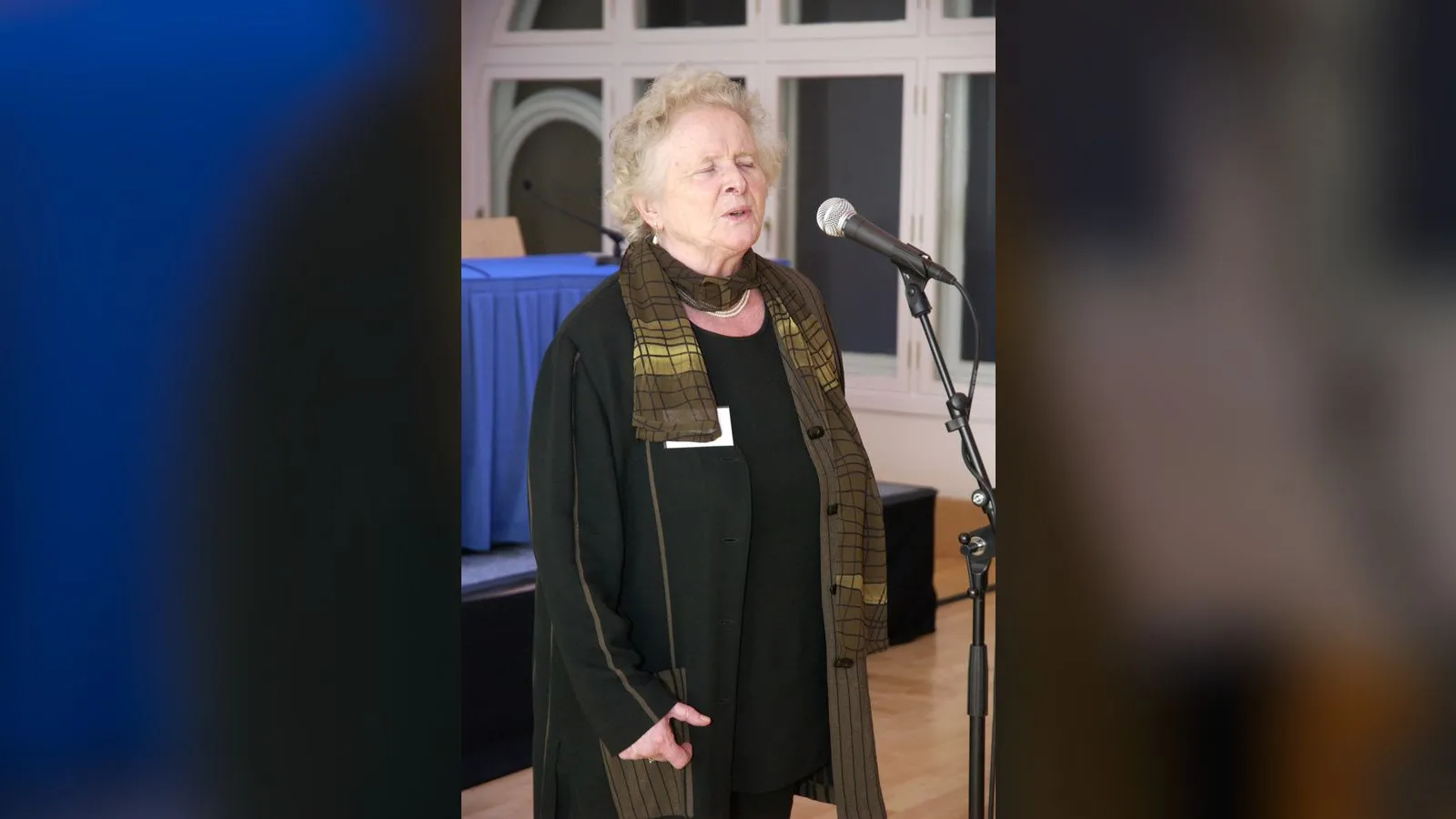

Flora MacNeil (1928–2015)
Contents
TL;DR
- established Born into a Gaelic-speaking crofting family on Barra, MacNeil absorbed hundreds of traditional songs from early childhood through direct household transmission, learning primarily from her mother and her mother's cousin, Mary Johnstone — a woman whose own family had been evicted during the Highland Clearances, directly linking MacNeil's inherited repertoire to Scotland's history of displacement.
- established MacNeil's landmark 1951 performance at the Edinburgh People's Festival Ceilidh, where she was recorded live by American musicologist Alan Lomax, marked one of the first occasions traditional Scottish Gaelic song reached a large public audience — a genuinely pivotal moment for the Scottish folk revival, not merely one recording session among many.
- established MacNeil's early career in Edinburgh was shaped by direct support from major figures of the Scottish cultural left, including poet Hugh MacDiarmid, folklorist Hamish Henderson, and poet Sorley MacLean — a documented network of serious cultural advocacy this article presents directly, since it situates her rise within a specific, consequential intellectual and political milieu rather than an isolated personal success story.
- established MacNeil's influence extended across generations, directly shaping younger prominent Gaelic and Scottish traditional singers including Karen Matheson and Julie Fowlis, who have each credited her as a significant influence — a sustained legacy this article treats as continuing well beyond her own recorded output.
- established Beyond her own singing, MacNeil's family itself became a vehicle for the tradition's continuation: her daughter, Maggie MacInnes, became a recognised Gaelic traditional singer and harpist in her own right — a direct, documented instance of intergenerational transmission consistent with the oral tradition MacNeil herself inherited.
Key Facts
- Born
- 6 October 1928, Castlebay, Isle of Barra
- Died
- 15 May 2015, aged 86
- Known for
- Traditional Scottish Gaelic singing; 1951 Lomax recordings
- Key recordings
- Craobh nan Ubhal (1976); Orain Floraidh (2000)
- Honours
- MBE
- Family
- Married Alister MacInnes, 1955; five children, including singer-harpist Maggie MacInnes
Scottish Impact Index (SI Score)
- Global Influence
- 2/10
- Enduring Relevance
- 5/10
- Material Contribution
- 1/10
- Exceptional Achievement
- 4/10
- Lasting Legacy
- 2/10
- Recognition
- 1/10
15/60
Ranked =194th of 200 in Great Scots
A Note on Claims and Evidence
MacNeil's biography, her upbringing and musical transmission, her recording history (including the documented 1951 Alan Lomax sessions), her performing career, and her lasting influence on later Gaelic singers are well sourced in archival recordings, academic and journalistic profiles, and her own recorded testimony, and are treated as Established throughout this article.
Timeline
Born in Castlebay, Isle of Barra, to fisherman Seumas MacNeil and Ann Gillies, within a Gaelic-speaking Roman Catholic crofting family at Ledag.
Absorbs hundreds of traditional songs from household ceilidhs, learning principally from her mother and her mother's cousin, Mary Johnstone.
Already performing sophisticated Jacobite war poetry within her family setting.
Her father dies when Flora is fourteen; she leaves school to work at the island's telephone exchange.
The Post Office transfers her to Edinburgh, where her reputation as a Gaelic singer precedes her.
Embraced by major cultural figures including Hugh MacDiarmid, Hamish Henderson, and Sorley MacLean within the city's emerging folk revival circles.
American musicologist Alan Lomax, arranged by Hamish Henderson, records her live at the Edinburgh People's Festival Ceilidh at Oddfellows Hall.
Marries fellow Barra native Alister MacInnes, a Glasgow lawyer; the couple go on to raise five children.
Folklorist Peter Kennedy credits her as the source for all 24 Scottish Gaelic songs included in his volume Folksongs of Britain and Ireland.
Releases her album Craobh nan Ubhal.
Craobh nan Ubhal is reissued.
Releases Orain Floraidh; performs at the Christmas Island Ceilidh in Cape Breton, Nova Scotia.
Lomax's 1951 ceilidh recordings of her singing are released on compact disc.
Dies, aged 86, following a short illness.
Further archival recordings of MacNeil from 1955–1961, made by Dr James Kalokerinos, are released with support from Creative Scotland.
Details
A repertoire inherited directly from the Clearances
This article presents MacNeil's childhood musical education with specific, documented weight: she learned her vast repertoire principally from her mother and her mother's cousin, Mary Johnstone, whose own family had been evicted during the Highland Clearances. This detail is included deliberately, since it establishes a direct, traceable link between MacNeil's inherited song tradition and a specific, documented historical act of displacement — her singing was not a generalised cultural inheritance but one rooted in a family history shaped by that history. By age four, she was already performing sophisticated Jacobite war poetry, reflecting both prodigious early ability and the seriousness with which her family regarded the tradition they were transmitting.
A pivotal, well-documented recording moment
MacNeil's 1951 recording by Alan Lomax at the Edinburgh People's Festival Ceilidh is presented in this article as a genuinely significant cultural moment rather than one performance among many in a long career. Arranged specifically by folklorist Hamish Henderson, the live recording — Lomax himself later recalling encountering "a blue-eyed girl from the Hebrides" singing — captured Gaelic traditional song reaching a large public audience for one of the first times, at the specific intersection of island oral tradition and the emerging urban Scottish folk revival. This article notes that the recordings' continued release and digitisation decades later, including a 2005 CD release and further archival material surfacing as recently as 2026, reflects their lasting documentary and cultural value rather than treating them as a historical curiosity.
A career shaped within a specific, serious cultural network
This article states directly that MacNeil's early Edinburgh career developed within direct, documented support from major figures of Scotland's cultural and literary left — poet Hugh MacDiarmid, folklorist Hamish Henderson, and poet Sorley MacLean among them. This context matters: it situates her as a genuinely significant figure within a specific, consequential moment of Scottish cultural revival, rather than presenting her success as an isolated individual triumph disconnected from the wider movement actively working to bring Gaelic and Scots traditional culture into new public prominence.
A legacy that visibly continued past her own singing
This article credits MacNeil's influence as extending well beyond her own recorded output. Prominent later Scottish traditional and Gaelic singers, including Karen Matheson and Julie Fowlis, have each specifically cited her as a significant influence on their own careers — a documented, generational through-line this article treats as a genuine measure of her importance. That influence operated within her own family as well: her daughter, Maggie MacInnes, became a recognised Gaelic traditional singer and harpist in her own right, a direct instance of the same oral, family-based transmission by which MacNeil herself had originally learned her repertoire, now continuing into a new generation.
Did You Know?
- MacNeil learned much of her repertoire from her mother's cousin, Mary Johnstone, whose family had been evicted during the Highland Clearances.
- She was already performing sophisticated Jacobite war poetry by the age of four.
- Her landmark 1951 recording session with Alan Lomax was arranged by folklorist Hamish Henderson.
- Poet Hugh MacDiarmid and poet Sorley MacLean were both part of the circle that supported her early Edinburgh career.
- Folklorist Peter Kennedy credited her as the source for all 24 Scottish Gaelic songs in his influential 1975 collection, Folksongs of Britain and Ireland.
- In 2000, she performed for a Canadian Gaelic audience in Cape Breton, Nova Scotia, telling them: "You are my people!"
- Contemporary singers Karen Matheson and Julie Fowlis have both named her as a significant personal influence.
- Her daughter, Maggie MacInnes, became a recognised Gaelic singer and harpist, continuing the family's musical tradition.
FAQ
1What is Flora MacNeil best known for?
Being one of the most significant figures in traditional Scottish Gaelic singing, including her landmark 1951 recordings made by Alan Lomax.
2Where was she from?
Castlebay, Isle of Barra, where she was raised within a Gaelic-speaking crofting family.
3How did she learn her songs?
Primarily from her mother and her mother's cousin, Mary Johnstone, through direct oral family transmission from early childhood.
4Who recorded her famous 1951 performance?
American musicologist Alan Lomax, with the session arranged by Scottish folklorist Hamish Henderson.
5Did she influence later singers?
Yes — prominent contemporary Gaelic and Scottish traditional singers including Karen Matheson and Julie Fowlis have cited her as a significant influence.
6Was her family connected to the tradition?
Yes — her daughter, Maggie MacInnes, became a recognised Gaelic singer and harpist in her own right.
7What major recordings did she release?
Craobh nan Ubhal (1976) and Orain Floraidh (2000), among other recordings.
8When did she die?
15 May 2015, aged 86, following a short illness.
Sources and Further Reading
Primary/Institutional
- Flora MacNeil — Wikipedia
- Flora MacNeil MBE 1928 — Hands Up for Trad Hall of Fame
- 1951 Edinburgh People's Festival Ceilidh — Association for Cultural Equity
Scholarly/Critical
- Flora MacNeil, the Voice of Gaelic Scotland — St Austin Review
- The Calum Maclean Project: Isle of Barra: Capsule Biographies
General
Caveats: Myths and Disputed Claims
- Note: This article does not attempt a full catalogue of MacNeil's extensive recorded output across more than five decades, focusing instead on the best-documented and most historically significant recordings and performances, including the 1951 Lomax sessions.
- Clarification: The description of her learning songs "from household ceilidhs and family transmission" reflects accounts of informal, oral cultural transmission typical of the Hebridean tradition, rather than formal musical training of any kind.
Card 198 · Great Scots