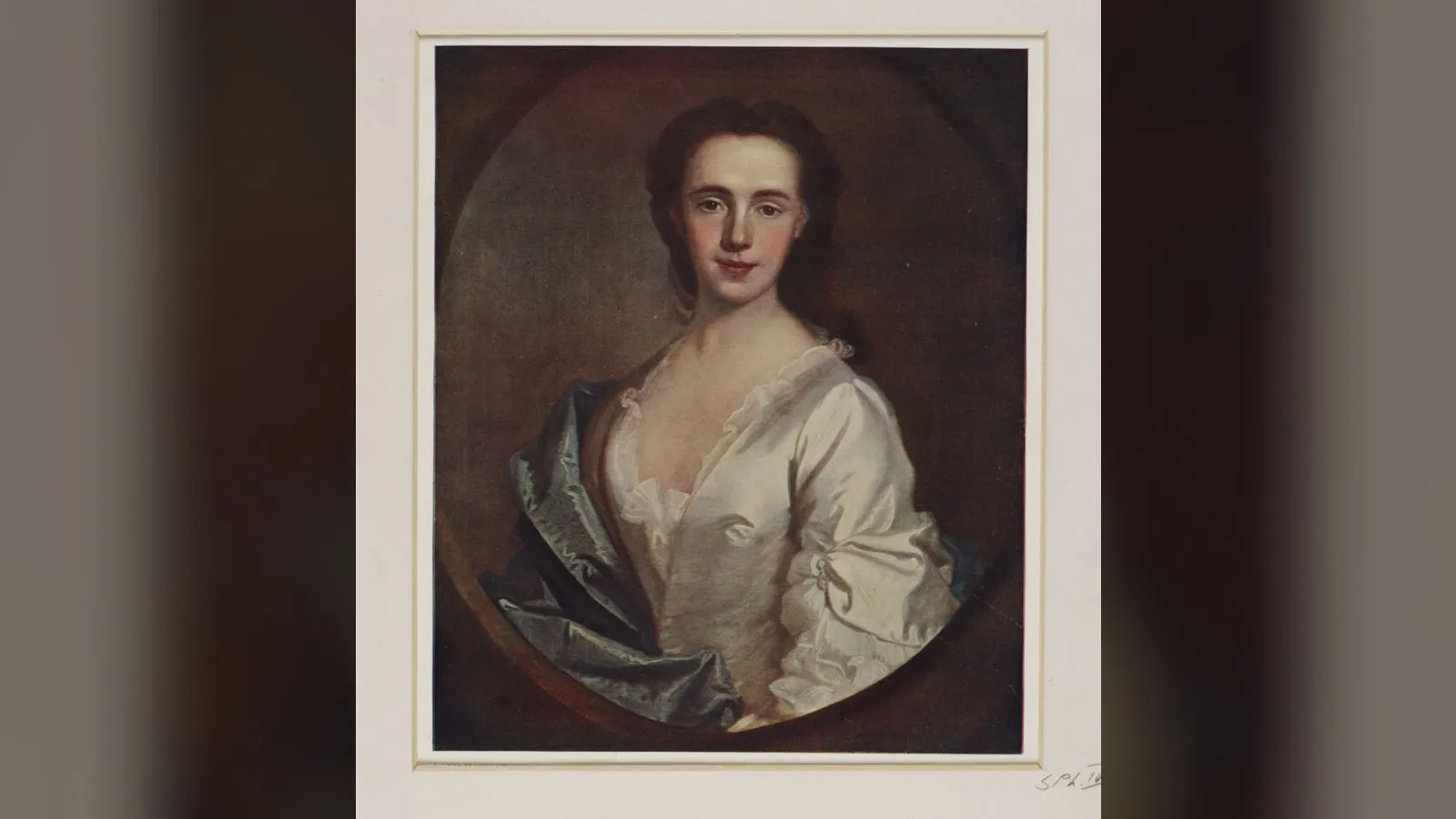

Lady Anne Mackintosh, "Colonel Anne" (1723–1787)
Contents
TL;DR
- established Born into the staunchly Jacobite Farquharson family, Anne Mackintosh married Aeneas (Angus) Mackintosh, chief of Clan Mackintosh — a man who took the opposing, Hanoverian Government side in the 1745 Rising — creating a genuine, documented split within a single household rather than a simple tale of unified clan loyalty.
- established With her husband serving the Government, the 22-year-old Anne personally raised several hundred men from Clan Mackintosh and the wider Clan Chattan confederation for the Jacobite cause — a decisive, independent act of political and military organisation undertaken in her husband's direct political absence, not at his direction.
- Shared/Traditional. Her nickname "Colonel Anne" derives from a specific, often-repeated anecdote — greeting her captured husband with "Your servant, captain," and receiving the reply "your servant, colonel" — which this article presents as a well-attested and enduring story rather than a formally conferred military title, since she never held an official command.
- established In February 1746, Anne orchestrated the defence of Moy Hall against a large Government raiding party sent to capture Prince Charles Edward Stuart, using a small deception force to simulate the presence of the full Jacobite army — a documented tactical success now known as the "Rout of Moy," achieved without her own troops directly engaging the enemy.
- established Following Culloden, Anne was arrested and held in custody, and later records describe her intervening personally to prevent the public whipping of a local woman accused of aiding a Jacobite officer — an act this article includes directly as evidence her documented courage extended beyond the battlefield deception for which she remains best known.
Key Facts
- Born
- Anne Farquharson, 1723, Invercauld House, near Braemar, Aberdeenshire
- Died
- 2 March 1787, Leith, Edinburgh
- Known for
- Raising Clan Chattan troops for the Jacobite cause; the "Rout of Moy," 1746
- Married
- Aeneas (Angus) Mackintosh, chief of Clan Mackintosh, c. 1741
- Nickname's origin
- Exchange of "captain"/"colonel" greetings with her husband after his capture
- Also called
- "La Belle Rebelle" (by Prince Charles Edward Stuart)
Scottish Impact Index (SI Score)
- Global Influence
- 2/10
- Enduring Relevance
- 6/10
- Material Contribution
- 1/10
- Exceptional Achievement
- 3/10
- Lasting Legacy
- 2/10
- Recognition
- 2/10
16/60
Ranked =190th of 200 in Great Scots
A Note on Claims and Evidence
Anne Mackintosh's family background, her marriage, her role in raising Clan Chattan troops, and the documented events of the Rout of Moy and her post-Culloden arrest are reasonably well sourced in contemporary and historical accounts, and are treated as Established. The precise wording and circumstances of the "captain/colonel" exchange that gave her a lasting nickname are treated as Shared/Traditional, since it survives primarily as a repeated anecdote rather than an officially recorded military honour.
Timeline
Born Anne Farquharson at Invercauld House, near Braemar, to John Farquharson, Chief of Clan Farquharson, and Margaret Murray.
Marries Aeneas (Angus) Mackintosh, chief of Clan Mackintosh.
Aeneas accepts command of an Independent Company supporting the Hanoverian Government.
Prince Charles Edward Stuart lands in Scotland; Anne, aged 22, raises several hundred men from Clan Mackintosh and Clan Chattan for the Jacobite cause while her husband serves the Government side.
Her regiment joins the Jacobite army at Bannockburn.
Orchestrates the defence of Moy Hall against a Government raiding party, in the engagement known as the "Rout of Moy."
Her husband and a large body of Government troops are captured; Prince Charles paroles Aeneas into Anne's custody, prompting the exchange that gives rise to her "Colonel Anne" nickname.
The Battle of Culloden; many of the men she raised, including commander Alexander MacGillivray, are killed.
Anne is arrested and held in custody for a period of weeks before being released into her husband's custody; she intervenes to prevent the public whipping of a local woman accused of aiding a Jacobite officer.
Anne and Aeneas reconcile and later appear together in London society, including a recorded social encounter with the Duke of Cumberland.
Aeneas Mackintosh dies.
Anne Mackintosh dies in Leith, Edinburgh, and is buried in the Old North Leith Burial Ground.
Details
A marriage split by the Rising
Anne Mackintosh's story is defined from the outset by a genuine, documented political division within her own household. Born into the staunchly Jacobite Farquharson family — her mother's descent from the Marquis of Atholl made her a cousin of Jacobite commander Lord George Murray — Anne married Aeneas Mackintosh, chief of Clan Mackintosh, around 1741. Aeneas, however, was a committed supporter of the Hanoverian Government, accepting command of an Independent Company in 1744 and subsequently serving the Crown during the 1745 Rising. This article presents this split directly: Anne's subsequent actions were taken not alongside her husband's political position but squarely against it.
Raising an army in her husband's absence
With her husband serving the opposing side, the 22-year-old Anne personally raised between roughly 200 and 400 men from Clan Mackintosh and the wider Clan Chattan confederation for the Jacobite cause. Because women could not formally hold field command, Alexander MacGillivray of Clan MacGillivray took nominal command of the troops she raised — a structural detail this article includes to accurately describe the practical limits placed on her role, without diminishing the substantive fact that the recruitment and organisation were her own independent achievement, undertaken in direct political opposition to her husband.
The Rout of Moy: a documented tactical success
In February 1746, while Prince Charles Edward Stuart was staying at Moy Hall, Anne learned of a planned night raid by roughly 1,500 Government Highlanders — including men from her own husband's company — intending to capture the Prince for a substantial bounty. This article presents her response with its real tactical specificity: she deployed a small group of her own staff ahead of the approaching force, who fired weapons and shouted clan battle cries in the dark to simulate the presence of the full Jacobite army. The ruse succeeded, and the raiding party withdrew in what became known as the "Rout of Moy" — a genuine, documented instance of successful deception achieved without her own forces engaging in direct combat, a distinction worth preserving rather than inflating into a pitched battle.
A nickname rooted in anecdote, not formal rank
Shortly after Moy, Aeneas Mackintosh and a substantial body of Government troops were captured; Prince Charles paroled Aeneas into Anne's own custody, reportedly remarking that he could not be in better or more honourable keeping. The famous exchange said to have followed — Anne greeting her husband with "Your servant, captain," and receiving the reply "your servant, colonel" — is the specific origin of her enduring nickname. This article treats this exchange as Shared/Traditional rather than Established fact in the strictest sense: it survives as a well-attested, frequently repeated anecdote rather than an officially recorded military commission, and Anne herself never held formal command in battle. The nickname's durability reflects its vividness as a story, not evidence of an actual colonelcy.
Courage that extended beyond Moy
Following the Jacobite defeat at Culloden on 16 April 1746 — a battle in which many of the men Anne had raised, including commander Alexander MacGillivray, were killed — Anne herself was arrested and held in custody for a period before release. This article includes a further, less widely known episode directly: during this period, she is recorded as having personally intervened to prevent the public whipping of a local woman, Anne McKay, who had been accused of assisting a Jacobite officer. This detail is presented as evidence that her documented courage was not confined to the single celebrated episode at Moy.
Reconciliation, not permanent estrangement
Despite their opposing wartime loyalties, Anne and Aeneas Mackintosh are recorded as reconciling after the Rising, subsequently appearing together in London society. This article includes the recorded social encounter with the Duke of Cumberland — in which Anne is said to have met his invitation to dance to a pro-Government tune with a request that he, in turn, dance to a Jacobite air — as a telling, symbolically precise detail of how the couple's complex personal and political settlement played out in public, rather than smoothing their story into either unbroken conflict or simple forgiveness.
Did You Know?
- Anne Mackintosh's husband fought for the opposing, Government side throughout the 1745 Rising while she raised troops for the Jacobites.
- She personally raised several hundred men for the Jacobite cause, though formal command of them passed to Alexander MacGillivray, since women could not hold official battlefield command.
- Her famous "Colonel Anne" nickname comes from an anecdotal exchange with her captured husband, not an actual military commission.
- The "Rout of Moy" was achieved through deception — a handful of her staff simulating an entire army in the dark — without her own forces engaging in direct combat.
- Prince Charles Edward Stuart reportedly nicknamed her "La Belle Rebelle" ("the beautiful rebel").
- After Culloden, she intervened personally to prevent a local woman from being publicly whipped for aiding a Jacobite officer.
- Despite their wartime political split, Anne and her husband reconciled and later appeared together in London society.
- She is buried in Leith's Old North Leith Burial Ground, marked today with a white Jacobite rose.
FAQ
1What is Lady Anne Mackintosh best known for?
Raising troops for the Jacobite cause in 1745 while her husband served the opposing Government side, and orchestrating the "Rout of Moy" in February 1746.
2Was she actually a colonel?
No — "Colonel Anne" is a nickname derived from an anecdotal exchange with her husband, not a formal military rank; she never held official command in battle.
3Did she fight at the Rout of Moy herself?
No — she organised the deception that caused the Government raiding party to retreat, but she and her small deception force did not engage in direct combat.
4Why did her husband oppose her politically?
He was a committed supporter of the Hanoverian Government and commanded an Independent Company for the Crown, in direct opposition to Anne's Jacobite sympathies.
5What happened to her after Culloden?
She was arrested and held in custody for a period before release, and is recorded as personally intervening to prevent a local woman's public punishment.
6Did she and her husband stay together?
Yes — despite their wartime political opposition, they reconciled and later appeared together in London society.
7When did she die?
2 March 1787, in Leith, Edinburgh.
8Where was she born?
Invercauld House, near Braemar, Aberdeenshire, in 1723.
Sources and Further Reading
Caveats: Myths and Disputed Claims
- Clarification: "Colonel Anne" is a popular nickname, not a real military rank; this article treats the anecdote behind it as Shared/Traditional, since it survives chiefly as a well-known story rather than an official record.
- Note: Sources vary slightly on the precise circumstances of her post-Culloden arrest — some describing her own direct detention, others her husband's prior capture and parole into her custody as the key event — and this article presents the sequence as best attested across sources while noting the detail is not uniform.
- Clarification: The number of men she raised is given variously as roughly 200 to 400 across different sources; this article uses that range rather than a single precise figure.
Card 191 · Great Scots