
Sir William Burrell (1861–1958)
Contents
TL;DR
- established Having transformed his family's Glasgow shipping firm into one of Britain's leading cargo lines, including substantial wartime profits from selling ships during the First World War, Burrell used his considerable fortune to build one of the most significant private art collections ever assembled, spanning medieval tapestries, stained glass, Chinese bronzes and ceramics, and French Impressionist paintings.
- established In 1944, Burrell gave his entire collection — then around 6,000 items, valued at well over £1 million — to the city of Glasgow, alongside £450,000 toward a dedicated museum, conditions that proved impractical for decades and delayed the collection's permanent home until 1983.
- established Burrell's wife, Constance Mary Lockhart Mitchell, played an active, documented role in developing the collection, and Burrell's own will specifically requested that her name always be associated with his — this article credits her contribution directly rather than treating the collection as a solely individual achievement.
- established Subsequent provenance research has confirmed that at least some works in the Burrell Collection, including a 16th-century Swiss tapestry known as The Visitation and a Chardin still life, were acquired through forced sales from German Jews during the 1930s — a documented and serious historical fact this article states directly, consistent with treating the full, uncomfortable weight of such provenance findings rather than minimising them to protect Burrell's reputation.
- Documented. Glasgow Museums has stated that Burrell himself was likely unaware that these specific works originated from forced sales, and has faced public criticism, including from historian Sir Tom Devine, for declining to identify all items with similarly questionable provenance — this article presents both the institution's position and the criticism of its transparency honestly, without resolving the underlying disclosure dispute.
Key Facts
- Born
- 9 July 1861, Glasgow
- Died
- 29 March 1958, Hutton Castle, Berwickshire, aged 96
- Known for
- Shipping magnate and art collector; the Burrell Collection, Glasgow
- Gift to Glasgow
- 1944, c. 6,000 items plus £450,000
- Museum opened
- 1983, Pollok Country Park, Glasgow
- Honours
- Knighted, 1927; Freedom of the City of Glasgow, 1944
- Wife
- Constance Mary Lockhart Mitchell (m. 1901)
Scottish Impact Index (SI Score)
- Global Influence
- 4/10
- Enduring Relevance
- 7/10
- Material Contribution
- 3/10
- Exceptional Achievement
- 4/10
- Lasting Legacy
- 5/10
- Recognition
- 3/10
26/60
Ranked =125th of 200 in Great Scots
A Note on Claims and Evidence
Burrell's biography, his shipping career, his art collecting, and his 1944 gift to Glasgow are extensively documented in museum records and historical scholarship, and are treated as Established. The presence of works with Nazi-era forced-sale provenance in the collection is similarly well documented through recent curatorial research and is treated as Established fact, while the specific question of what Burrell himself knew at the time of acquisition is treated as Documented rather than definitively settled, reflecting the museum's own stated position rather than independently verified proof of his state of mind.
Timeline
Born in Glasgow, the third of nine children to shipowner William Burrell and Isabella Duncan.
Joins the family shipping firm, Burrell & Son, at age 14.
His father dies; William and his brother George take over and expand the company into one of Britain's leading cargo shipping lines.
Profits substantially from selling ships at greatly inflated wartime prices.
Marries Constance Mary Lockhart Mitchell, daughter of a wealthy merchant and shipowner.
Birth of their daughter, Marion (later known as Silvia).
Knighted for public and political work and services to art in Scotland.
Receives the Hungarian Order of Merit.
Donates his collection of around 6,000 items, valued at well over £1 million, to the City of Glasgow, alongside £450,000 for a dedicated museum building; receives the Freedom of the City of Glasgow.
Awarded the St Mungo Prize.
Dies at Hutton Castle, Berwickshire, aged 96, from heart failure brought on by pneumonia.
Constance Burrell dies, aged 85.
Glasgow acquires Pollok Country Park, finally enabling construction of a suitable museum building.
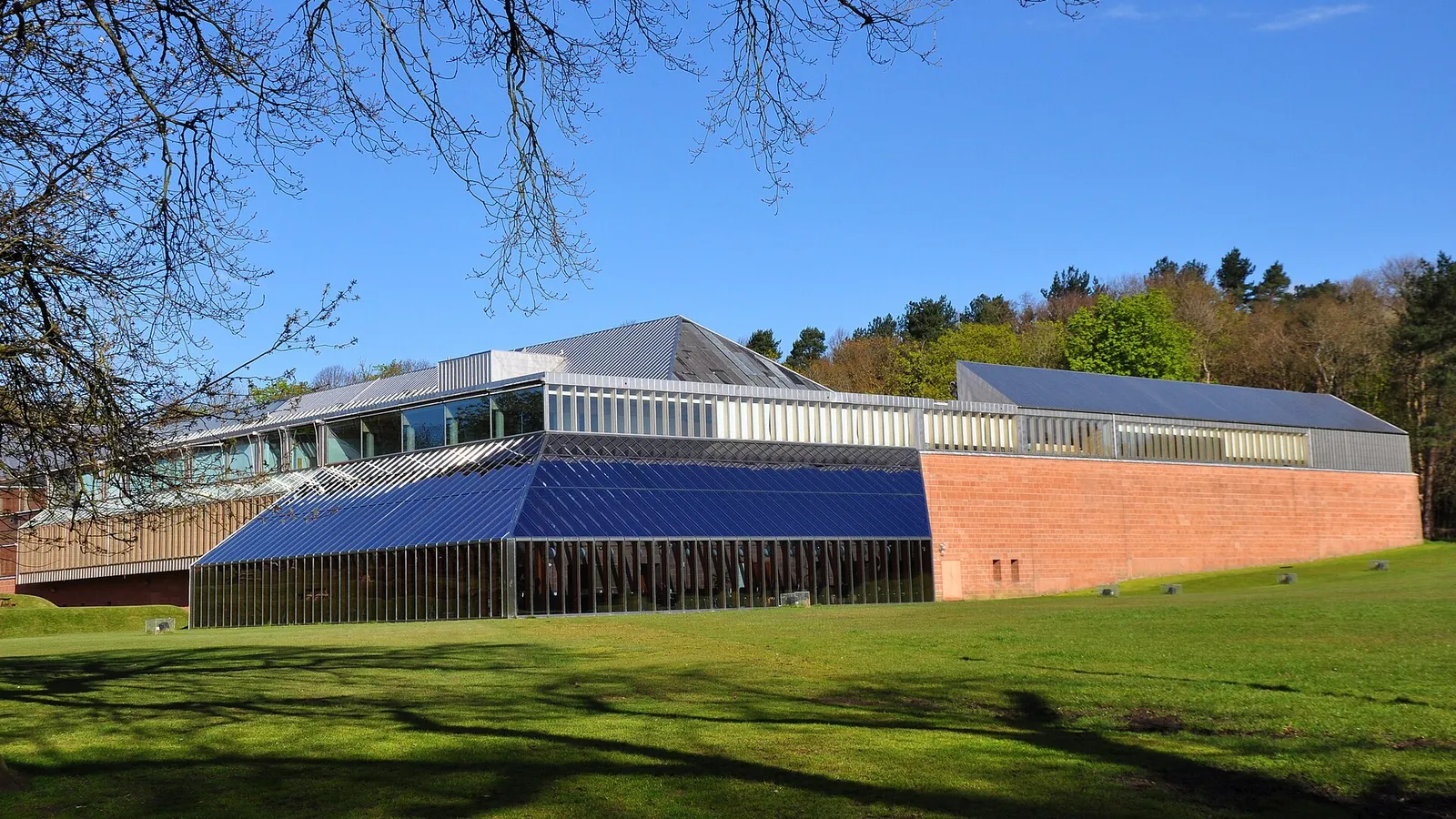
The purpose-built Burrell Collection museum opens, displaying the now-expanded, roughly 9,000-item collection.
Provenance research identifies specific works in the collection, including a 16th-century Swiss tapestry and a Chardin painting, as having been acquired through Nazi-era forced sales from German Jewish owners.
Details
Wealth built on shipping, then redirected into art
Burrell's fortune had an entirely practical, commercial origin, which this article presents directly rather than skipping to the collecting for which he is now chiefly remembered. Joining the family's Glasgow shipping firm at just 14, he and his brother George transformed Burrell & Son into one of Britain's leading cargo shipping lines following their father's death in 1885, with Burrell profiting substantially during the First World War by selling ships at prices far above what he had originally paid. This commercially shrewd, wartime-enriched fortune is what subsequently funded one of the most significant private art collections ever assembled by a single individual.
A genuinely collaborative collection
This article credits Constance Burrell's role in building the collection directly, rather than presenting it as William's achievement alone. Burrell's own will specifically requested that his wife's name always be associated with his in connection with the gift, explicitly describing the collection as a joint contribution from both of them — a detail this article preserves because it reflects Burrell's own stated wish, not a modern retrospective reinterpretation.
A gift with conditions that outlived its donor's patience
Burrell's 1944 gift to Glasgow — around 6,000 items then valued at well over £1 million, together with £450,000 toward a museum — came with specific conditions about the building's location and character that proved genuinely impractical to satisfy for decades. This article notes this delay directly: it was not until Glasgow acquired Pollok Country Park in 1967, nearly a decade after Burrell's own death in 1958, that construction of a suitable building could proceed, with the museum finally opening in 1983 — a gap of 39 years between the gift and its realised public home, reflecting the real practical difficulty of Burrell's conditions rather than institutional indifference.
A documented, serious provenance problem
This article states directly, rather than minimising, that subsequent curatorial and historical research has confirmed at least some works in the Burrell Collection were acquired through forced sales from German Jewish owners during the 1930s, as the Nazi regime consolidated power. Specific identified items include a 16th-century Swiss tapestry known as The Visitation and a still life by Jean-Baptiste-Siméon Chardin. This article treats this finding with its full seriousness, consistent with the house standard of giving morally weighty historical facts their proper, unminimised weight rather than treating a beloved civic gift as beyond critical scrutiny.
An unresolved question of knowledge, and a live transparency dispute
Glasgow Museums has stated that Burrell himself was likely unaware that these specific works originated from forced sales — a claim this article presents as the institution's documented position rather than independently verified certainty about Burrell's state of mind at the time of acquisition. This article also notes directly a related, genuinely live controversy: Glasgow Life has faced public criticism, including from historian Sir Tom Devine, for declining to identify other items in the collection with similarly questionable provenance, with Devine himself publicly asking what the institution might "have to hide." This article presents this disclosure dispute honestly, as an ongoing matter rather than a settled one, consistent with not adjudicating beyond what has actually been resolved.
Did You Know?
- Burrell joined his family's shipping firm at just 14 years old.
- He profited substantially from selling ships at inflated prices during the First World War, funding much of his later art collecting.
- His 1944 gift to Glasgow included around 6,000 items then valued at well over £1 million.
- Burrell's own will requested that his wife Constance's name always be associated with his in connection with the collection.
- The purpose-built Burrell Collection museum did not open until 1983, 39 years after the original gift and 25 years after Burrell's own death.
- Provenance research has confirmed at least two works in the collection, including a 16th-century Swiss tapestry, were acquired through Nazi-era forced sales from German Jewish owners.
- Historian Sir Tom Devine has publicly criticised the museum's reluctance to identify all items with questionable provenance.
- Burrell lived to 96, dying at his Berwickshire estate, Hutton Castle, in 1958.
FAQ
1What is Sir William Burrell best known for?
Building one of the most significant private art collections ever assembled and gifting it to the city of Glasgow in 1944.
2How did he fund his collecting?
Through wealth generated by his family's shipping firm, Burrell & Son, including substantial profits from selling ships during the First World War.
3When did the Burrell Collection museum open?
1983 — 39 years after his original 1944 gift, delayed by the practical difficulty of satisfying conditions he had attached to it.
4Was his wife involved in the collection?
Yes — Constance Burrell played an active, documented role, and Burrell's own will requested her name always be linked with his regarding the gift.
5Does the collection include Nazi-looted art?
Provenance research has confirmed at least some works were acquired through forced sales from German Jewish owners during the 1930s.
6Did Burrell know the works were looted?
Glasgow Museums states he was likely unaware, though this remains the institution's stated position rather than independently verified certainty.
7Is the provenance controversy resolved?
No — the museum has faced ongoing public criticism for not identifying all questionably provenanced items, a genuinely unresolved transparency dispute.
8When did Burrell die?
29 March 1958, at Hutton Castle, Berwickshire, aged 96.
Sources and Further Reading
Primary/Institutional
- William Burrell — Wikipedia
- About The Burrell Collection — Burrell Collection
- Burrell Collection — Wikipedia
Scholarly/Critical
General
Caveats: Myths and Disputed Claims
- Clarification: This article does not claim definitive proof of Burrell's personal knowledge or ignorance regarding the forced-sale origins of specific items; it presents Glasgow Museums' stated position that he was likely unaware, while noting this cannot be treated as fully settled fact.
- Note: This article does not attempt to catalogue every item in the roughly 9,000-piece collection with disputed provenance; it reports the specific, confirmed cases (such as The Visitation tapestry and the Chardin still life) and the genuine, ongoing public dispute over the museum's broader transparency on this question.
Card 197 · Great Scots