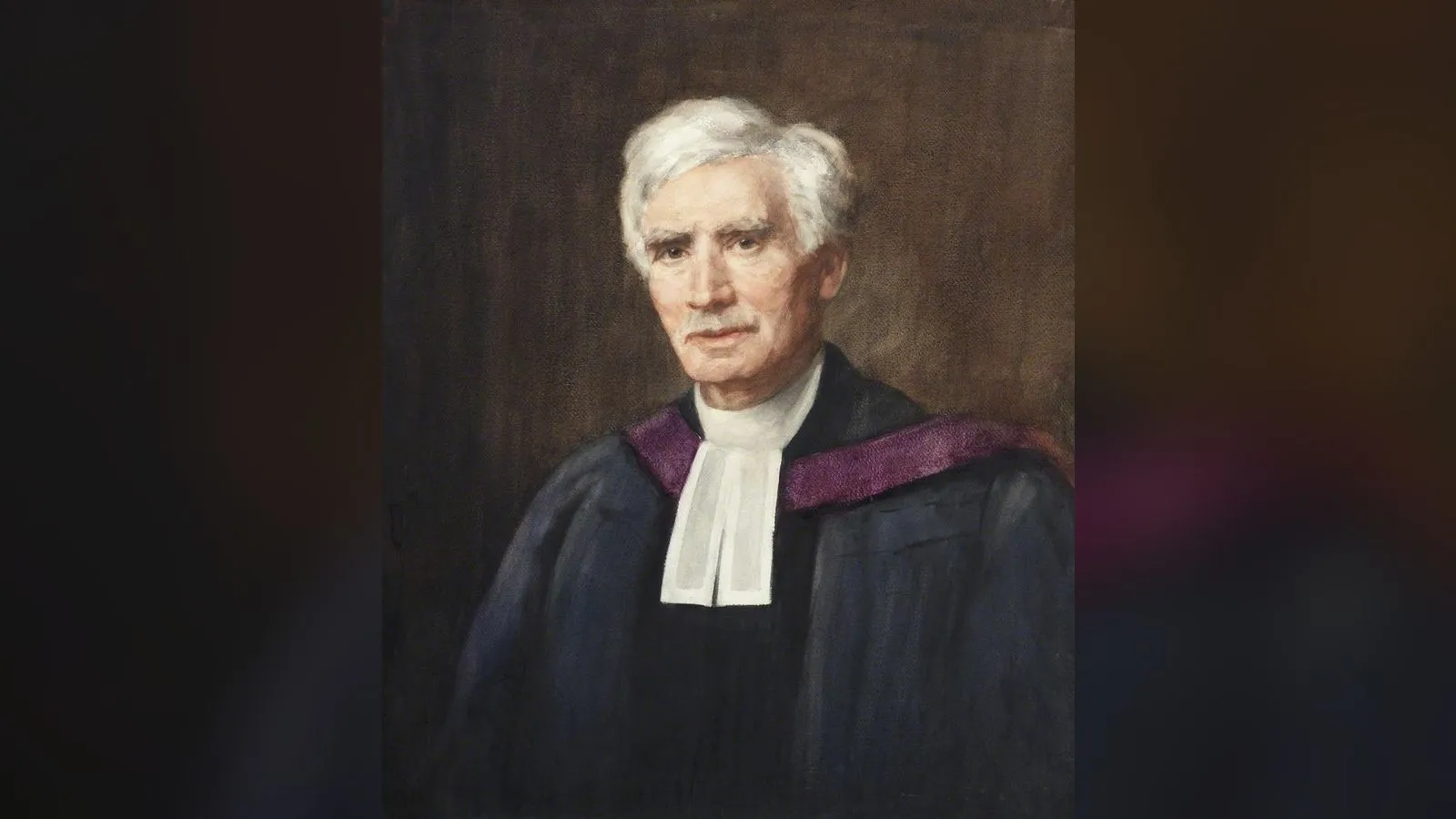

William Paterson (1658–1719)
Contents
TL;DR
- established Paterson co-founded the Bank of England in 1694, having proposed the core concept in an earlier pamphlet — a genuinely foundational contribution to modern British financial history — before falling out with his fellow directors within a year and withdrawing from the institution he had helped create.
- established Paterson personally conceived, promoted, and ultimately joined the Darien Scheme, Scotland's catastrophic attempt to establish a trading colony on the Panamanian isthmus — a venture that consumed between roughly 15 and 40 percent of all actual capital in Scotland and killed more than 80 percent of the roughly 2,500 settlers who took part across its two expeditions.
- established Paterson's own family paid the human cost of his scheme directly: his wife, Hannah Kemp, and their child both died during the Darien expedition, while Paterson himself survived serious illness — a personal tragedy this article states plainly rather than treating the disaster only in abstract financial terms.
- established Darien's financial devastation is widely credited by historians as a significant factor in weakening Scottish resistance to the 1707 Act of Union, and Paterson himself subsequently became an active, outspoken advocate for Union — a position this article presents honestly as flowing from his belief that Union represented Scotland's best remaining path forward, not as evidence of any simple, cynical self-interest, while noting the obvious tension in the architect of Scotland's greatest financial disaster later helping persuade Scotland to merge its parliament with the country whose hostility had helped doom his own venture.
- established Scotland received a sum, known as "the Equivalent," worth roughly £398,000 sterling under the 1707 Act of Union, intended to offset Scotland's future liability for the English national debt and partly compensate Darien investors — compensation this article presents as a documented financial mechanism, not a full undoing of the human and economic cost of the scheme's failure.
Key Facts
- Born
- April 1658, Tinwald, Dumfriesshire
- Died
- January 1719, Westminster
- Known for
- Co-founding the Bank of England (1694); conceiving the Darien Scheme
- Darien capital lost
- Roughly 15–40% of all actual capital in Scotland
- Darien death toll
- More than 80% of approximately 2,500 settlers
- Personal loss
- His wife and child both died during the Darien expedition
- Later role
- Advocate for the 1707 Act of Union
Scottish Impact Index (SI Score)
- Global Influence
- 5/10
- Enduring Relevance
- 7/10
- Material Contribution
- 4/10
- Exceptional Achievement
- 6/10
- Lasting Legacy
- 5/10
- Recognition
- 2/10
29/60
Ranked =105th of 200 in Great Scots
A Note on Claims and Evidence
Paterson's biography, his role in founding the Bank of England, his promotion and participation in the Darien Scheme, the scheme's documented financial and human costs, and his subsequent advocacy for Union are extensively documented in historical scholarship, financial history, and contemporary records, and are treated as Established throughout this article.
Timeline
Born at Tinwald, Dumfriesshire.
Leaves home at seventeen, moving first to Bristol before emigrating to the Bahamas.
Works as a merchant, developing a reputation for business acumen and connections, including with local buccaneers; conceives the idea of a Panamanian isthmus trading settlement.
Returns to Europe, unsuccessfully seeking backing for his isthmus scheme from James II's government and continental powers.
Relocates to London, building wealth through foreign trade, including involvement in the West Indies slave trade via the Merchant Taylors' Company.
Publishes a pamphlet proposing the core concept of a national bank.
The Bank of England receives its Royal Charter, with Paterson as a founding director.
Falls out with fellow Bank directors and withdraws, turning his attention to the Darien project.
Relocates to Edinburgh and successfully persuades the Scottish government and public to back the Darien Scheme.
Joins the first Darien expedition to Panama; his wife, Hannah Kemp, and their child die during the expedition, and Paterson himself becomes seriously ill.
The Darien settlement is abandoned after a Spanish siege and blockade.
Returns to Scotland.
Becomes an active advocate for closer union with England.
The Acts of Union are passed, including a financial settlement, "the Equivalent," worth roughly £398,085 sterling.
Dies in Westminster; his burial site is uncertain, though many believe he was interred at Sweetheart Abbey, Dumfries and Galloway.
Details
A foundational role in modern banking, cut short by conflict
This article credits Paterson directly with a genuinely significant contribution to financial history: having proposed the core concept of a national bank in an earlier pamphlet, he co-founded the Bank of England in 1694, securing its Royal Charter and becoming a founding director. This achievement is presented with its full weight, while this article also notes honestly that Paterson's own tenure there was brief — disagreements with his fellow directors led to his withdrawal within roughly a year, a falling-out this article treats as a genuine, documented professional conflict rather than a planned or amicable departure.
A scheme of enormous ambition and equally enormous cost
Paterson personally conceived the idea of a Scottish trading colony on the Panamanian isthmus, developed during his earlier years as a merchant in the West Indies, and subsequently persuaded the Scottish government and public to commit extraordinary resources to it. This article states the scale of that commitment directly: an estimated 15 to 40 percent of all actual capital in Scotland was ultimately invested in the Darien Scheme, representing a national financial commitment with few parallels in Scottish economic history. The human cost was commensurately catastrophic: of approximately 2,500 settlers across the scheme's two expeditions, more than 80 percent died, overwhelmingly from tropical disease, with only a few hundred of the first expedition's 1,200 settlers surviving and only a handful of the second expedition's participants ever returning to Scotland.
A personal tragedy, not only a national one
This article states plainly, rather than keeping the Darien disaster at a safe statistical distance, that Paterson's own family was among its casualties: his wife, Hannah Kemp, and their child both died during the expedition he had personally joined, while Paterson himself survived a serious illness. This detail is included deliberately, since it is easy for a disaster told primarily in terms of national capital losses to obscure the fact that its chief architect lost his own family to the same catastrophe he had set in motion.
Causes beyond Scottish miscalculation alone
This article notes directly that the Darien Scheme's failure cannot be attributed to Scottish planning errors in isolation. Tropical disease was the leading killer, but English hostility played a documented, material role: King William's government instructed English and Dutch colonies in the Americas not to supply the Scottish settlement, explicitly out of reluctance to provoke Spanish hostility, while Spanish military forces ultimately besieged and blockaded the colony, forcing its abandonment in March 1700. This article presents these external pressures alongside the scheme's own evident overreach, rather than placing the entire burden of explanation on Scottish ambition.
From architect of disaster to advocate of Union
Following his return to Scotland, Paterson became an active, outspoken advocate for the 1707 Act of Union, and historians widely credit Darien's financial devastation as a significant factor in weakening Scottish resistance to Union more broadly. This article presents Paterson's advocacy honestly, as reflecting his own stated belief that Union represented Scotland's best remaining economic path forward, while also noting directly the evident irony this project's house standard requires acknowledging rather than smoothing over: the same man whose scheme had helped bankrupt a significant share of Scotland's capital subsequently became a prominent voice persuading Scotland to merge its parliament with the very country whose earlier hostility had helped doom that scheme. Scotland's financial settlement under Union, "the Equivalent," worth roughly £398,085 sterling, partly compensated Darien investors and offset Scotland's new liability for English national debt — a genuine, documented mechanism of financial redress, though this article does not present it as fully undoing either the scale of the original loss or its lasting economic and political consequences for Scotland.
Did You Know?
- Paterson proposed the core concept behind the Bank of England in an earlier pamphlet before helping found it in 1694.
- He fell out with his fellow Bank of England directors and withdrew within about a year of its founding.
- The Darien Scheme consumed an estimated 15 to 40 percent of all actual capital in Scotland.
- More than 80 percent of the roughly 2,500 settlers who took part in the two Darien expeditions died, mostly from disease.
- Paterson's own wife and child died during the Darien expedition he personally joined.
- King William's government instructed English and Dutch American colonies not to supply the Scottish settlement, contributing to its failure.
- Paterson later became an active advocate for the 1707 Act of Union, which he believed offered Scotland its best remaining path forward.
- Scotland's "Equivalent" settlement under Union was worth roughly £398,085 sterling, partly compensating Darien investors.
FAQ
1What is William Paterson best known for?
Co-founding the Bank of England in 1694 and personally conceiving and promoting the catastrophic Darien Scheme.
2What was the Darien Scheme?
A Scottish attempt to establish a trading colony on the Panamanian isthmus, which consumed a huge share of Scotland's capital and killed the large majority of its settlers.
3Did Paterson lose anything personally in the scheme?
Yes — his wife and child both died during the expedition, and he himself became seriously ill.
4Why did the scheme fail?
Primarily tropical disease, compounded by deliberate English obstruction of supplies and an eventual Spanish military siege.
5Did Darien lead to the Union with England?
Historians widely credit its financial devastation as a significant factor in weakening Scottish resistance to the 1707 Act of Union.
6Did Paterson support the Union?
Yes — he became an active advocate for it, believing it offered Scotland's best remaining economic path forward.
7Was Scotland compensated?
Yes — the 1707 Union included a financial settlement, "the Equivalent," worth roughly £398,085 sterling, partly compensating Darien investors.
8When did he die?
January 1719, in Westminster; his exact burial place remains uncertain.
Sources and Further Reading
Primary/Institutional
- William Paterson (banker) — Wikipedia
- Sir William Paterson — Undiscovered Scotland
- Darien scheme — Wikipedia
Scholarly/Critical
- Scotland's Darien disaster: the first great financial scandal in Panama — The Conversation
- The Darien Scheme and Anglophobia in Scotland — University of Southampton
General
Caveats: Myths and Disputed Claims
- Clarification: This article does not treat Paterson's later advocacy for Union as straightforwardly self-interested or cynical; available sources indicate a stated, genuine belief that Union served Scotland's economic interests, though the irony of his role in both the disaster and the subsequent Union is noted directly rather than smoothed over.
- Note: This article does not claim the 1707 "Equivalent" payment fully compensated Darien investors or offset the scheme's broader economic and human toll on Scotland; it is presented as a documented, partial financial mechanism rather than full restitution.
Card 196 · Great Scots