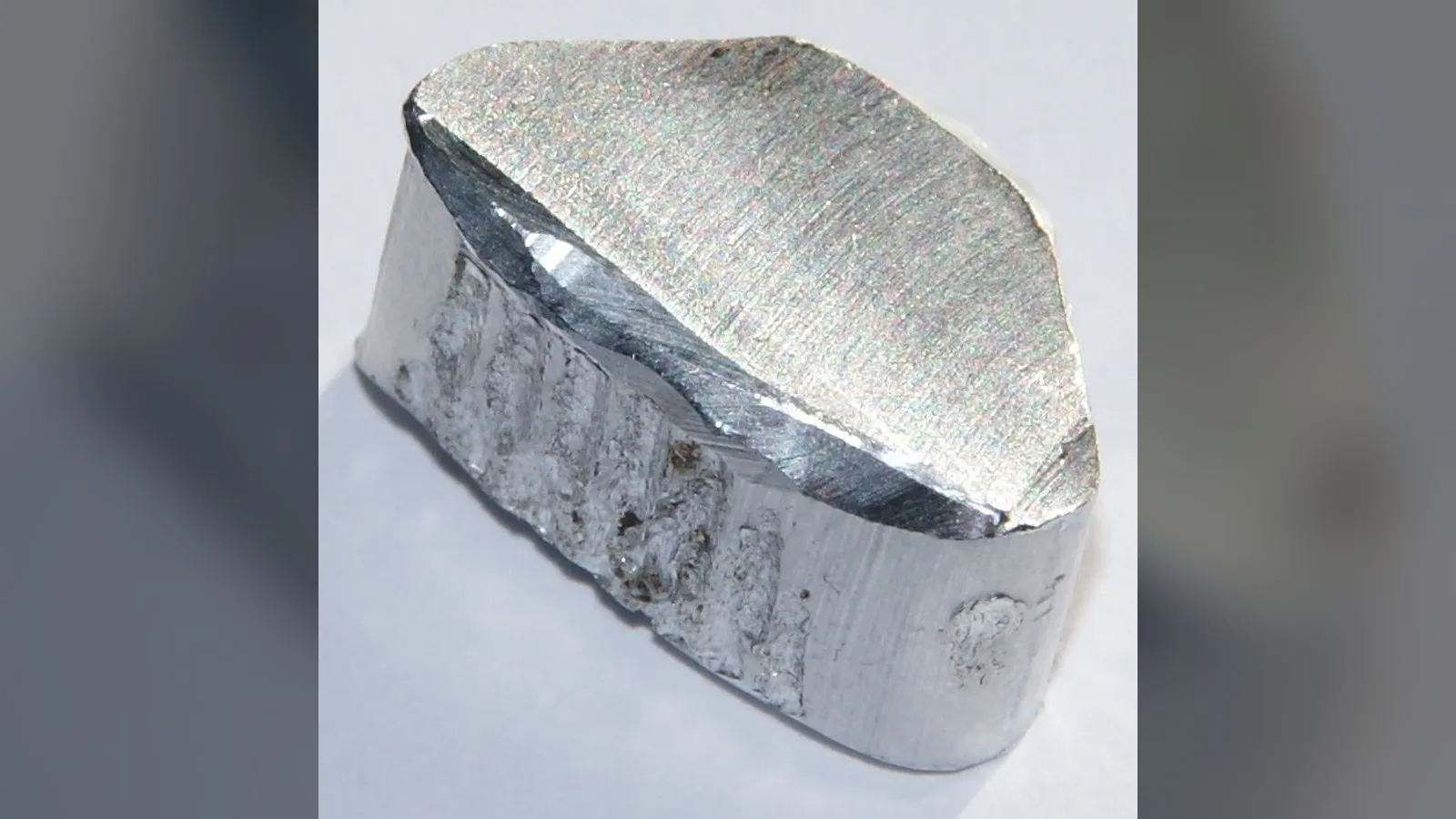

Aluminium
Contents
Legend/Myth Opener
Fort William's aluminium smelter is often presented in corporate and political messaging as a secure, century-old pillar of Highland industry, proudly marking anniversaries under successive owners. The current reality is considerably less settled: the smelter's present owner, GFG Alliance (controlled by Sanjeev Gupta), has been the subject of a long-running UK Serious Fraud Office investigation, financial reporting controversies, and specific warnings about hundreds of millions of pounds of potential Scottish taxpayer exposure tied to the smelter — making this a live, contested situation rather than a settled success story.
TL;DR
- established Scotland's aluminium smelting industry was built specifically to exploit cheap, abundant Highland hydroelectric power, with the British Aluminium Company establishing smelters at Kinlochleven (from the early 1900s) and Fort William (from the 1920s) — this is documented through company and industrial heritage records.
- established The Kinlochleven smelter closed in 2000, ending aluminium production there after roughly a century of operation, while the Fort William (Lochaber) smelter remains Britain's last operating aluminium smelter — confirmed by closure records and current industry status.
- established The Lochaber smelter and its associated hydroelectric power station were sold to GFG Alliance (Sanjeev Gupta's industrial group) in 2016 for a reported £330 million — confirmed by company transaction records and contemporary press coverage.
- [Disputed/Established] GFG Alliance's broader financial stability and specific claims about the Lochaber smelter's profitability have been publicly and credibly contested: reports have shown the smelter recorded financial losses in years when profitability was claimed, GFG companies have faced fines for late financial filings, and GFG has been under investigation by the UK Serious Fraud Office — this article treats the existence of these specific, reported controversies as established fact (they are documented in press and official correspondence), while treating any ultimate findings of wrongdoing as not yet settled.
- established The Scottish Government has faced scrutiny over its financial exposure related to support for the Lochaber smelter deal, with reported potential exposure running into hundreds of millions of pounds — confirmed by Scottish Parliament Public Audit Committee correspondence and investigative business press reporting.
Key Facts
- Peak Era
- Early-to-mid 20th century (industry establishment and growth); current operation continues at reduced single-site scale
- Key Locations
- Kinlochleven (Lochaber) — closed 2000; Fort William/Lochaber — Britain's last operating smelter
- Key Companies/Figures
- British Aluminium Company (historic founder); Alcan (later owner); GFG Alliance / Sanjeev Gupta (current owner, since 2016)
- Status Today
- Active but contested — Fort William smelter still operating; current ownership subject to significant, reported financial and regulatory controversy
- Kinlochleven Closure
- 2000
- SI Score
- 47/60
Scottish Impact Index (SI Score)
- Economic Impact
- 8/10
- Industrial Longevity
- 7/10
- Material Contribution
- 9/10
- Industrial Distinctiveness
- 8/10
- Industrial Legacy
- 8/10
- Recognition
- 7/10
47/60
Ranked =45th of 50 in Industry
A Note on Claims and Evidence
Scotland's aluminium industry is documented through company and industrial heritage records (notably around the Kinlochleven hydroelectric scheme and former smelter) and, for its current chapter, through company filings, Scottish Parliament Public Audit Committee correspondence, and investigative business journalism (including Insider.co.uk, AlCircle and Press and Journal reporting). This article treats the historic establishment and closure dates as documented. For the smelter's current ownership, it treats the existence and substance of specific, publicly reported controversies — financial filing fines, reports of losses in years profitability was claimed, the Serious Fraud Office investigation, and reported Scottish Government financial exposure — as established, because these are independently reported, documented facts (a fine was issued; an investigation exists; a parliamentary committee raised exposure concerns), while explicitly treating any ultimate finding of fraud or wrongdoing against GFG Alliance or its principals as not yet resolved, since the relevant investigations had not concluded with findings at the time of writing.
Timeline
The British Aluminium Company identifies the Highlands' abundant water power as ideal for the energy-intensive aluminium smelting process and begins developing hydroelectric infrastructure at Kinlochleven.
Kinlochleven hydroelectric scheme and associated aluminium smelter constructed and brought into operation, transforming a remote Highland glen into an industrial settlement built specifically to serve the smelter.
British Aluminium Company develops a second, larger smelter at Fort William (the Lochaber scheme), again specifically to exploit hydro power generated by newly constructed dams and tunnels in the surrounding mountains.
Both smelters operate as significant employers in a sparsely populated region, their existence entirely dependent on continued access to cheap hydro-generated electricity.
Ownership passes through successive corporate changes (including Alcan) as the global aluminium industry consolidates.
An aluminium smelter is built at Invergordon on the Cromarty Firth; it closes in 1981.
The Kinlochleven smelter closes, ending smelting operations there after close to a century, though the associated hydro infrastructure continues to generate power.
The Lochaber (Fort William) smelter and its hydroelectric power station are sold to GFG Alliance, the industrial group controlled by Sanjeev Gupta, for a reported £330 million, with the deal promoted as securing jobs and the smelter's long-term future.
GFG Alliance's broader global business faces serious financial difficulty, notably following the 2021 collapse of its key lender Greensill Capital, triggering wider scrutiny of the group's finances, including its Scottish operations.
Reports emerge that Lochaber Aluminium recorded financial losses in specific years despite public claims of profitability; GFG entities face fines for late financial filings; the UK Serious Fraud Office investigation into GFG Alliance continues.
Scottish Parliament's Public Audit Committee raises concerns over potential Scottish Government financial exposure (reported in the hundreds of millions of pounds) connected to support arrangements for the smelter, while GFG Alliance has continued to mark anniversaries (e.g. a 90th anniversary celebration) and assert commitment to the site's future.
Details
Origins and Early Development
Scotland's aluminium smelting industry exists because of a specific industrial logic: aluminium smelting is an extremely energy-intensive process, and in the early 20th century the Scottish Highlands offered an abundant, reliable source of cheap hydroelectric power that made large-scale smelting economically viable in a way it would not have been using conventional fossil-fuel generation. The British Aluminium Company recognised this potential and developed the Kinlochleven hydroelectric scheme and associated smelter in the first decade of the 20th century, essentially building an industrial settlement from scratch in a remote Highland glen purely to house workers for a smelter whose entire rationale depended on the surrounding mountains' water resources. A second, larger smelter followed at Fort William in the 1920s, again built around dedicated hydro infrastructure constructed specifically to serve it — tunnels and dams carved through the mountains around Ben Nevis to channel water to the generating station. This close, deliberate linkage between hydro power development and aluminium smelting is a distinctive feature of Highland industrial history, directly connecting this card to the separate "Hydroelectric Scotland" card covering the broader hydro story.
Peak Scale and Significance
At their height in the mid-20th century, Kinlochleven and Fort William's smelters were major employers in otherwise sparsely populated parts of the Highlands, each supporting a substantial community whose economic existence depended almost entirely on the smelter's continued operation. The industry represented a striking example of how a single industrial technology (hydro power) could be leveraged to support an entirely different but complementary industry (energy-intensive metal smelting), creating industrial communities in locations that would otherwise have had little large-scale economic activity.
Decline and Present-Day Controversy
Kinlochleven's smelter closed in 2000, after close to a century of operation, ending smelting there even as its hydro infrastructure continued generating power — a transformation from direct industrial use to pure electricity generation that mirrors patterns seen elsewhere in Highland hydro history. Fort William's Lochaber smelter, however, has continued operating, and remains, as of the time of writing, Britain's last operating aluminium smelter — a status frequently and proudly emphasised in corporate and political messaging.
This current chapter of the smelter's story, however, requires honest and careful treatment, because it is considerably more contested than simple anniversary messaging suggests. The smelter and its hydro power station were sold in 2016 to GFG Alliance, the industrial conglomerate controlled by Sanjeev Gupta, for a reported £330 million, in a deal publicly framed as securing around 2,000 jobs across the wider west Highlands supply chain and the smelter's long-term future. Since then, GFG Alliance's global business has faced serious and well-documented financial difficulty, most significantly following the 2021 collapse of Greensill Capital, a key lender to the group, which triggered intense scrutiny of GFG's finances worldwide. In Scotland specifically, subsequent reporting has documented that Lochaber Aluminium recorded financial losses in at least one recent year despite public claims that the smelter was profitable, that GFG-linked companies have faced fines for late financial filings, and that GFG Alliance has been under a continuing UK Serious Fraud Office investigation. Separately, correspondence from the Scottish Parliament's Public Audit Committee to the Scottish Government has raised concerns about potential Scottish taxpayer financial exposure — reported in some coverage as running into the hundreds of millions of pounds — connected to government support arrangements tied to the smelter deal.
It is important to state precisely what is and is not established here: the existence of the Serious Fraud Office investigation, the financial filing fines, and the reported discrepancy between claimed and actual smelter profitability are documented, reported facts. Whether any of this amounts to proven wrongdoing by GFG Alliance or Sanjeev Gupta personally has not, at the time of writing, been resolved by any concluded investigation or legal proceeding, and this article does not claim otherwise. Readers should understand the smelter's current situation as a live, unresolved controversy rather than either an unqualified success story or a settled scandal.
Present-Day Status
Fort William's Lochaber smelter continues operating as Britain's last aluminium smelter, a status that gives it genuine ongoing economic and symbolic significance for the west Highlands. At the same time, the serious and specific concerns raised about its current ownership's financial conduct and stability mean its long-term future cannot honestly be described as secure in the way that corporate anniversary messaging implies. The smelter's fate remains closely tied not just to the historic hydro-power logic that first brought the industry to the Highlands, but to the unresolved outcome of ongoing financial and regulatory scrutiny of its present owner.
Invergordon
Not every aluminium venture lasted. G. C. Peden's survey in the Oxford Handbook of Modern Scottish History (2012) notes that a smelter built at Invergordon in 1969–72, as part of the drive to create industrial growth points in the Highlands, suffered technical problems with its electricity supply. Falling demand in the recession of 1980–81 and a strong pound led to its closure in 1981.
Did You Know?
- The aluminium smelting industry came to the Highlands specifically because the energy-intensive process needed cheap hydro power, not because of any other local resource or advantage.
- Kinlochleven was essentially built as a purpose-made industrial settlement to house workers for its smelter and hydro scheme in the early 1900s.
- Fort William's Lochaber smelter is Britain's last remaining operating aluminium smelter.
- The smelter and its hydro power station were sold to GFG Alliance in 2016 for a reported £330 million.
- Reports have shown the Lochaber smelter recorded financial losses in at least one recent year despite public claims that it was profitable.
- GFG Alliance, the smelter's current owner, has been under investigation by the UK Serious Fraud Office.
- Scottish Parliament's Public Audit Committee has raised concerns about potential Scottish Government financial exposure, reported in some coverage as running into the hundreds of millions of pounds, linked to the smelter deal.
- Kinlochleven's smelter closed in 2000, but its associated hydro infrastructure continued generating electricity even after smelting there ended.
FAQ
1Why was aluminium smelting established in the Scottish Highlands?
Because aluminium smelting requires vast amounts of electricity, and the Highlands offered abundant, cheap hydroelectric power that made large-scale smelting economically viable.
2Where were Scotland's aluminium smelters?
Kinlochleven (closed 2000) and Fort William/Lochaber (still operating), both in the Lochaber area of the Highlands.
3Who owns the Fort William smelter today?
GFG Alliance, the industrial conglomerate controlled by Sanjeev Gupta, which purchased the smelter and its hydro power station in 2016.
4Is the Fort William smelter still operating?
Yes — it remains Britain's last operating aluminium smelter, though its ownership's financial situation has been subject to significant scrutiny.
5What controversies surround the current ownership?
GFG Alliance has faced a UK Serious Fraud Office investigation, fines for late financial filings, and reports that the Lochaber smelter recorded losses despite claims of profitability. No investigation had concluded with findings at the time of writing.
6Has the Scottish Government been involved with the smelter?
Yes — the Scottish Government provided support connected to the 2016 deal, and Scottish Parliament's Public Audit Committee has raised concerns about potential financial exposure to the public purse.
7When did Kinlochleven's smelter close?
In 2000, after close to a century of operation; its hydro infrastructure continued generating power afterward.
8How many jobs does the Fort William smelter support?
The 2016 deal was promoted as securing around 2,000 jobs across the wider west Highlands supply chain, though current employment figures may differ.
9Is the smelter's future secure?
This is genuinely uncertain given the reported financial and regulatory controversies affecting its current owner; it should not be presented as guaranteed.
10Is the hydro power station still linked to the smelter?
Yes — the Lochaber hydro scheme remains closely linked to the smelter's operation, continuing the historic pattern of dedicated hydro power supporting Highland aluminium smelting.
11Did any other companies previously own the smelter?
Yes — ownership passed through several companies historically, including Alcan, before the 2016 sale to GFG Alliance.
12Is this the same hydro infrastructure covered in the "Hydroelectric Scotland" card?
It is related but historically distinct — the aluminium industry's hydro schemes predate and are separate from the main 1943-onward state hydro programme covered in that card, though both reflect the same underlying Highland hydro resource.
Sources and Further Reading
Primary/Institutional
- Scottish Parliament Public Audit Committee — correspondence to Scottish Government on Lochaber smelter financial exposure (2026)
- Historic Environment Scotland / listed building records — Kinlochleven hydroelectric scheme and former aluminium smelter
Scholarly/Critical
- G. C. Peden, "A New Scotland? The Economy", in T. M. Devine and Jenny Wormald (eds), The Oxford Handbook of Modern Scottish History (Oxford University Press, 2012)
- Industrial heritage histories of the Kinlochleven and Lochaber hydro-aluminium schemes
- Investigative business journalism: Insider.co.uk — "GFG Faces Fines for Late Filing"; "Scottish Taxpayers Face £586 Million" exposure reporting
General
- Wikipedia — "Kinlochleven hydroelectric scheme"; "Kinlochleven"
- AlCircle — ongoing industry news coverage of GFG Alliance and the Lochaber smelter
- Press and Journal — regional coverage of smelter ownership and workforce issues
Caveats: Myths and Disputed Claims
- Do not state that GFG Alliance or Sanjeev Gupta has been found guilty of fraud — the Serious Fraud Office investigation had not concluded with findings at the time of writing; state only that an investigation exists and has been ongoing.
- Do not present the smelter's long-term future as secure or guaranteed — reported financial and regulatory controversies around its current owner mean this remains genuinely uncertain.
- Do not treat corporate anniversary or "commitment to Scottish industry" messaging from the current owner as a neutral, independently verified account of the smelter's financial health — independent reporting has specifically contradicted some profitability claims.
- Do not conflate the historic British Aluminium Company's founding era with the smelter's current ownership and controversies — these are distinct corporate chapters separated by roughly a century.
Card 010 · Industry