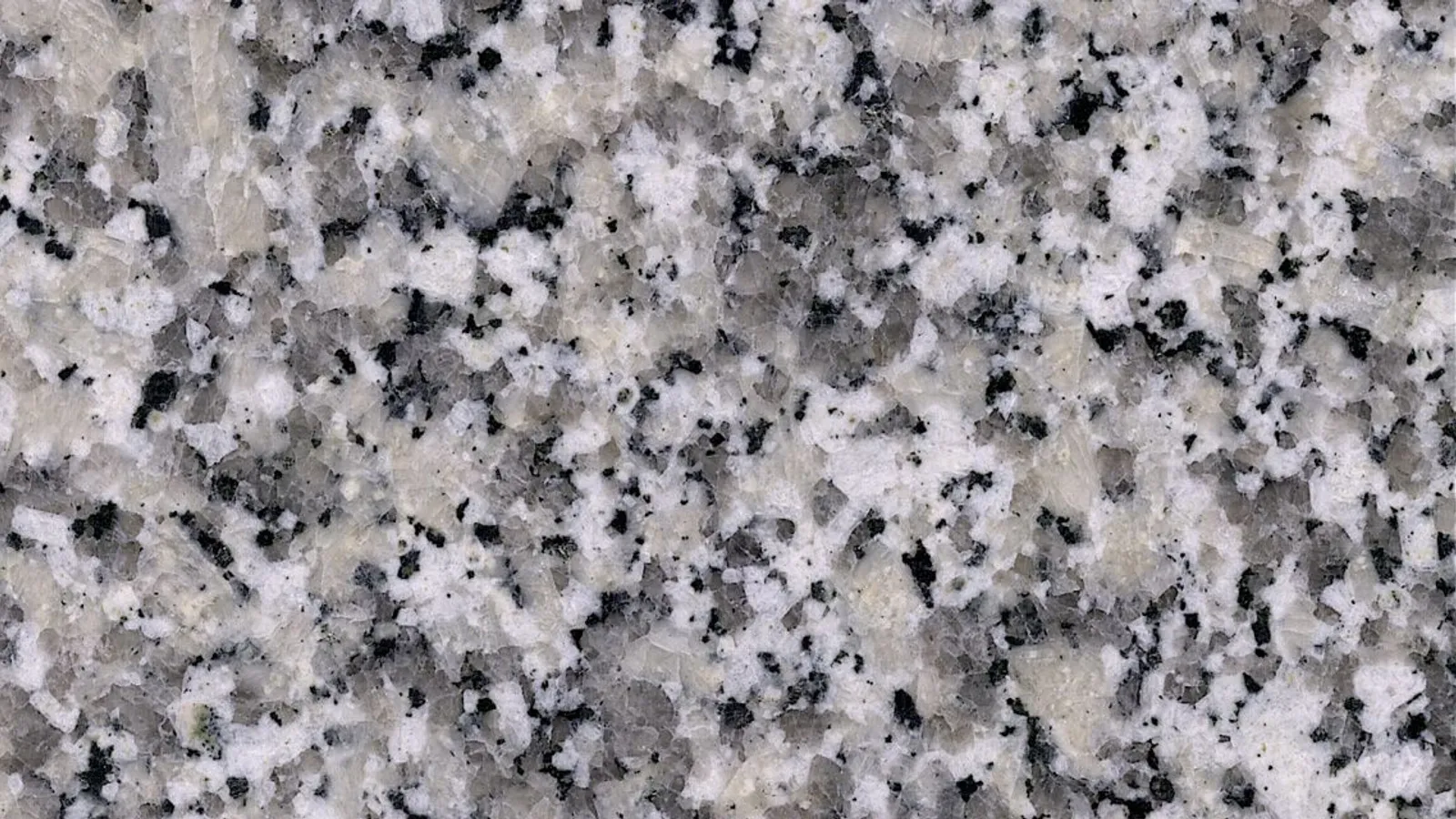

Granite
Contents
Legend/Myth Opener
Aberdeen's nickname, "the Granite City," conjures an image of a still-thriving stone industry woven into the fabric of daily life. In reality, large-scale commercial granite quarrying in Aberdeen ended decades ago — Rubislaw Quarry, the source of most of the city's distinctive grey buildings and once one of the largest man-made holes in Europe, closed in 1971 and is now a flooded, fenced-off void rather than a working industrial site.
TL;DR
- established Aberdeen granite quarrying, centred on Rubislaw Quarry, supplied stone for much of the city's own distinctive architecture and was exported worldwide for construction and monumental masonry from the 18th through early-to-mid 20th centuries — this is documented through quarry company and civic records.
- established Rubislaw Quarry, worked continuously from the 18th century until its closure in 1971, reached a depth of roughly 140 metres (close to 462 feet), making it one of the largest man-made holes in Europe at the time — confirmed by Aberdeen civic and quarry heritage records.
- traditional Rubislaw is very widely described as having supplied the stone that built "most of Aberdeen" and significant structures worldwide; while broadly accurate and well supported, the precise proportion of Aberdeen's building stock attributable to Rubislaw specifically (as opposed to other local granite quarries) is not always rigorously quantified in every source, so this is flagged as a well-supported traditional claim rather than a precisely measured statistic.
- established Scottish granite workers and skilled masons emigrated in significant numbers to granite-working centres abroad, notably Barre, Vermont in the United States, carrying Aberdeen granite-working expertise and cultural influence with them — documented through local heritage and emigration records on both sides of the Atlantic.
- established The industry declined sharply through the 20th century due to competition from cheaper imported stone, synthetic and concrete building materials, and the exhaustion/economic unviability of continued deep quarrying, with commercial extraction effectively ending by the 1970s — confirmed by quarry closure records.
Key Facts
- Peak Era
- c. 1830s–1930s (major commercial quarrying and export peak)
- Key Locations
- Aberdeen (Rubislaw, Dancing Cairns, Sclattie, and other city quarries); granite also worked elsewhere in Scotland (e.g. Peterhead for polished "red granite")
- Key Companies/Figures
- Rubislaw Granite Company and successor operators; generations of Aberdeen "granite men" (quarrymen and masons)
- Status Today
- Declined/closed — Rubislaw Quarry closed in 1971 and is now a flooded, inaccessible pit; no significant commercial granite quarrying remains in Aberdeen
- Rubislaw Quarry Depth
- Approximately 140 metres (c. 462 feet)
- SI Score
- 53/60
Scottish Impact Index (SI Score)
- Economic Impact
- 8/10
- Industrial Longevity
- 10/10
- Material Contribution
- 9/10
- Industrial Distinctiveness
- 9/10
- Industrial Legacy
- 9/10
- Recognition
- 8/10
53/60
Ranked =28th of 50 in Industry
A Note on Claims and Evidence
Aberdeen's granite industry is documented through civic records, company histories, and heritage research (including Aberdeen Art Galleries and Museums' "Voices from the Granite Industry" oral history project and multiple published histories of "the granite men"), giving solid grounding for quarry operation dates, depth figures, and the industry's eventual closure. This article treats Rubislaw's working dates, depth, and 1971 closure as documented. The claim that Rubislaw stone built "most of Aberdeen" is treated as traditional — it is the standard and broadly accurate framing used across heritage and tourism literature, reflecting Rubislaw's dominant role among the city's several granite quarries, but it is rarely expressed as a precisely quantified percentage in primary sources, so readers should understand it as a well-supported general characterisation rather than an exact statistic.
Timeline
Small-scale granite quarrying begins in and around Aberdeen, initially for local building needs.
Rubislaw Quarry develops into Aberdeen's principal commercial granite source as the city undergoes major Victorian-era expansion and rebuilding in the characteristic grey stone, earning Aberdeen its "Granite City" nickname.
Aberdeen granite exported increasingly widely for major public buildings, monuments, bridges, and paving setts across the UK and internationally; skilled Aberdeen masons and quarrymen begin emigrating to overseas granite centres, notably Barre, Vermont, carrying their trade and cultural influence with them.
Peak era of production and export; polished granite (including red granite from Peterhead) becomes fashionable for monumental and memorial masonry worldwide.
Gradual decline begins as cheaper imported stone, and later concrete and synthetic materials, erode granite's competitive position in mainstream construction.
Rubislaw Quarry closes after roughly two centuries of continuous working, having reached a depth of approximately 140 metres.
The quarry site is partially filled with water and fenced off; occasional heritage viewing events and local campaigns call for improved public access.
Aberdeen's granite heritage is preserved mainly through its historic buildings, heritage organisations' oral history projects, and periodic public interest in Rubislaw's scale and history; no significant commercial granite extraction remains active in the city.
Details
Origins and Early Development
Granite had been quarried on a small scale around Aberdeen since at least the 18th century, used initially for local building purposes in a city whose surrounding geology made the hard, durable igneous rock readily available. The industry's transformation into a major commercial and export operation came with Aberdeen's substantial Victorian-era expansion, when the city was extensively rebuilt in grey granite, giving rise to its enduring "Granite City" nickname. Rubislaw Quarry, on the western edge of the city, emerged as by far the most significant source of this stone, developing from the early-to-mid 19th century into an operation of genuinely extraordinary scale for a quarry embedded within an expanding urban area.
Peak Scale and Significance
By the mid-to-late 19th century, Aberdeen granite — and Rubislaw stone in particular — had become a globally recognised building and monumental material, exported for major civic buildings, bridges, memorials and paving setts across Britain and internationally. The industry's significance extended well beyond construction materials: it created a distinct skilled trade and civic identity, with generations of "granite men" — quarrymen who extracted the stone and masons who worked it — forming a recognisable and proud occupational community within the city, documented in oral history projects and published social histories. Rubislaw itself became, over nearly two centuries of continuous working, a pit of remarkable scale: by the time it closed, it had reached a depth of roughly 140 metres, making it one of the largest man-made holes in Europe, a scale achieved entirely through the labour-intensive methods of successive generations of quarrymen rather than modern mechanised mining.
The industry's international reach is one of its more distinctive legacies. Skilled Aberdeen granite workers emigrated in significant numbers to overseas granite-working centres, most famously Barre, Vermont in the United States, which developed its own major granite industry substantially shaped by the arrival of Scottish (and other European) stoneworking expertise — a direct transatlantic cultural and technical transfer that linked Aberdeen's quarrymen to communities thousands of miles away, and which Barre's own heritage institutions continue to document and celebrate today.
Decline
Aberdeen's granite industry declined gradually but decisively across the 20th century, following a now-familiar pattern for Scottish extractive industries: competition from cheaper stone imported from elsewhere, the rise of concrete, steel-frame construction, and synthetic cladding materials as dominant building technologies, and the increasing economic difficulty of continuing to extract stone from an already very deep pit located within an expanding residential area of the city, all combined to erode the industry's viability. Rubislaw Quarry, after roughly two centuries of continuous operation, finally closed in 1971 — a closure that, unlike the coal industry's politically charged 1980s contractions, attracted comparatively little national controversy, reflecting the industry's by-then much-reduced economic and employment significance compared with its Victorian-era peak. Other smaller Aberdeen quarries had already ceased operation earlier in the century.
Present-Day Legacy
Today, Rubislaw Quarry survives as a flooded, fenced-off void — a striking but largely inaccessible physical monument to the industry's former scale, visible occasionally through limited public viewing arrangements and periodic local campaigns for improved access. Aberdeen's built environment itself remains the industry's most visible and lasting legacy: the grey granite buildings that define the city centre and give Aberdeen its nickname were overwhelmingly built using stone quarried locally, chiefly from Rubislaw, over the preceding two centuries. Heritage organisations, including Aberdeen Art Galleries and Museums, actively preserve the social history of the "granite men" through oral history and archival projects, ensuring the industry's workforce — not just its stone — remains part of the city's remembered identity, even as the quarries themselves have been silent for over half a century.
Did You Know?
- Rubislaw Quarry reached a depth of roughly 140 metres (462 feet), making it one of the largest man-made holes in Europe at the time of its closure.
- The quarry operated continuously for nearly two centuries before finally closing in 1971.
- Skilled Aberdeen granite workers emigrated to Barre, Vermont in significant numbers, helping to establish and shape that town's own major granite industry — a documented transatlantic trade and cultural link.
- Aberdeen's nickname "the Granite City" reflects the fact that most of its Victorian-era city centre buildings were constructed from locally quarried granite, chiefly from Rubislaw.
- Rubislaw Quarry today is flooded and fenced off, making its remarkable scale largely invisible to casual visitors despite its historic significance.
- Peterhead, elsewhere in Aberdeenshire, became known for polished red granite, used widely in monumental and memorial masonry.
- The Aberdeen granite trade produced a distinct occupational identity and community, the "granite men," whose working lives are preserved through dedicated oral history projects.
- Aberdeen's granite industry's decline, unlike coal's, attracted comparatively little national political controversy when it finally ended in the 1970s.
FAQ
1Why is Aberdeen called "the Granite City"?
Because its Victorian-era city centre was extensively built using locally quarried grey granite, chiefly from Rubislaw Quarry, giving the city its distinctive appearance.
2Is Rubislaw Quarry still operating?
No — it closed in 1971 after nearly two centuries of continuous working and is now flooded and fenced off.
3How deep was Rubislaw Quarry?
Approximately 140 metres (462 feet), making it one of the largest man-made holes in Europe at the time of closure.
4What was Aberdeen granite used for?
Primarily construction (buildings, bridges, paving setts) and monumental/memorial masonry, both within Aberdeen and exported across Britain and internationally.
5Did Aberdeen granite workers emigrate elsewhere?
Yes — significant numbers emigrated to overseas granite centres, most notably Barre, Vermont, where their expertise shaped the local granite industry.
6Why did the industry decline?
Competition from cheaper imported stone, the rise of concrete and synthetic building materials, and the increasing difficulty and cost of extracting stone from an already very deep quarry.
7Can the public visit Rubislaw Quarry today?
Access is generally restricted, though occasional public viewing events and local campaigns have sought to improve access to the site.
8Was granite quarried anywhere else in Scotland besides Aberdeen?
Yes — Peterhead, also in Aberdeenshire, was notable for polished red granite used in monumental masonry.
9Is there any granite quarrying left in Scotland today?
No significant commercial granite quarrying remains active in Aberdeen; the industry effectively ended in the 20th century.
10Who were the "granite men"?
The quarrymen and masons who worked Aberdeen's granite quarries, forming a distinct and historically significant occupational community, now documented through heritage oral history projects.
11What happened to the quarry site after closure?
It was partially filled with water and fenced off for safety, remaining largely inaccessible to the public since closure.
12Does any major Aberdeen landmark use Rubislaw granite specifically?
Yes — much of the city's historic Victorian architecture is built from Rubislaw stone, though some other buildings used granite from the city's other, smaller quarries.
Sources and Further Reading
Primary/Institutional
- Aberdeen City Council / Aberdeen Art Galleries and Museums — "Voices from the Granite Industry"
- Historic Environment Scotland — listings related to Aberdeen granite buildings and quarry heritage
Scholarly/Critical
- The Granite Men (The History Press) — social history of Aberdeen's granite trade
- Michael Dey, The Granite City — history of Aberdeen's granite architecture and industry
- Stonespecialist.com — coverage of granite industry heritage research
General
- Press and Journal — "The History of Rubislaw Quarry: A Timeline of Events"
- Sedgwick Museum (Cambridge) — "Rubislaw Granite and an Iconic Nickname"
- Times Argus (Vermont) — "Barre's Scottish Heritage," on the Aberdeen-Barre granite worker connection
Caveats: Myths and Disputed Claims
- Do not state as a precisely measured statistic that Rubislaw stone built an exact percentage of Aberdeen — the widely used claim that it built "most of" the city is well supported but generally qualitative rather than a rigorously quantified figure in primary sources.
- Do not imply any significant commercial granite quarrying continues in Aberdeen today — the industry effectively ended by the 1970s.
- Do not describe Rubislaw Quarry as freely publicly accessible — access is generally restricted for safety reasons, with only occasional special viewing opportunities.
- Do not conflate Aberdeen's grey granite industry with Peterhead's distinct red granite trade — they are related but separate parts of the broader Scottish granite story.
Card 007 · Industry