
Hydroelectric Scotland
Contents
Legend/Myth Opener
The Highland hydro schemes of the mid-20th century are often remembered purely as a benevolent act of "bringing light to the glens" — rural electrification as pure social good. The fuller picture, which this article does not shy away from, includes flooded glens, displaced farms and communities, drowned archaeological and agricultural land, and a construction workforce (heavily reliant on migrant Irish, Polish and other labour) that endured harsh, sometimes fatal, working conditions building dams in remote and difficult terrain.
TL;DR
- established The Hydro-Electric Development (Scotland) Act 1943, driven by Secretary of State for Scotland Tom Johnston, created the North of Scotland Hydro-Electric Board and launched a decades-long programme of dam and scheme construction across the Highlands — this is a matter of statute and institutional record.
- established The explicit social mission of the scheme — "power from the glens," bringing electricity to remote rural Highland communities not otherwise commercially viable to connect — was a genuine and largely successful policy goal, reflected in rural electrification statistics through the 1950s–60s.
- established Major schemes including Galloway (completed 1936, predating the 1943 Act but part of the same broader hydro story) and the Tummel Valley/Pitlochry scheme involved flooding glens and altering landscapes permanently, with real and sometimes contested social and environmental costs — directly documented by historical planning records and heritage bodies.
- traditional Popular accounts often frame the hydro schemes as uncomplicated, celebrated national achievements; serious environmental and social histories (and testimony from affected communities) complicate this, documenting opposition, displacement and construction-worker hardship, so the purely celebratory framing is treated as traditional-but-incomplete rather than the full picture.
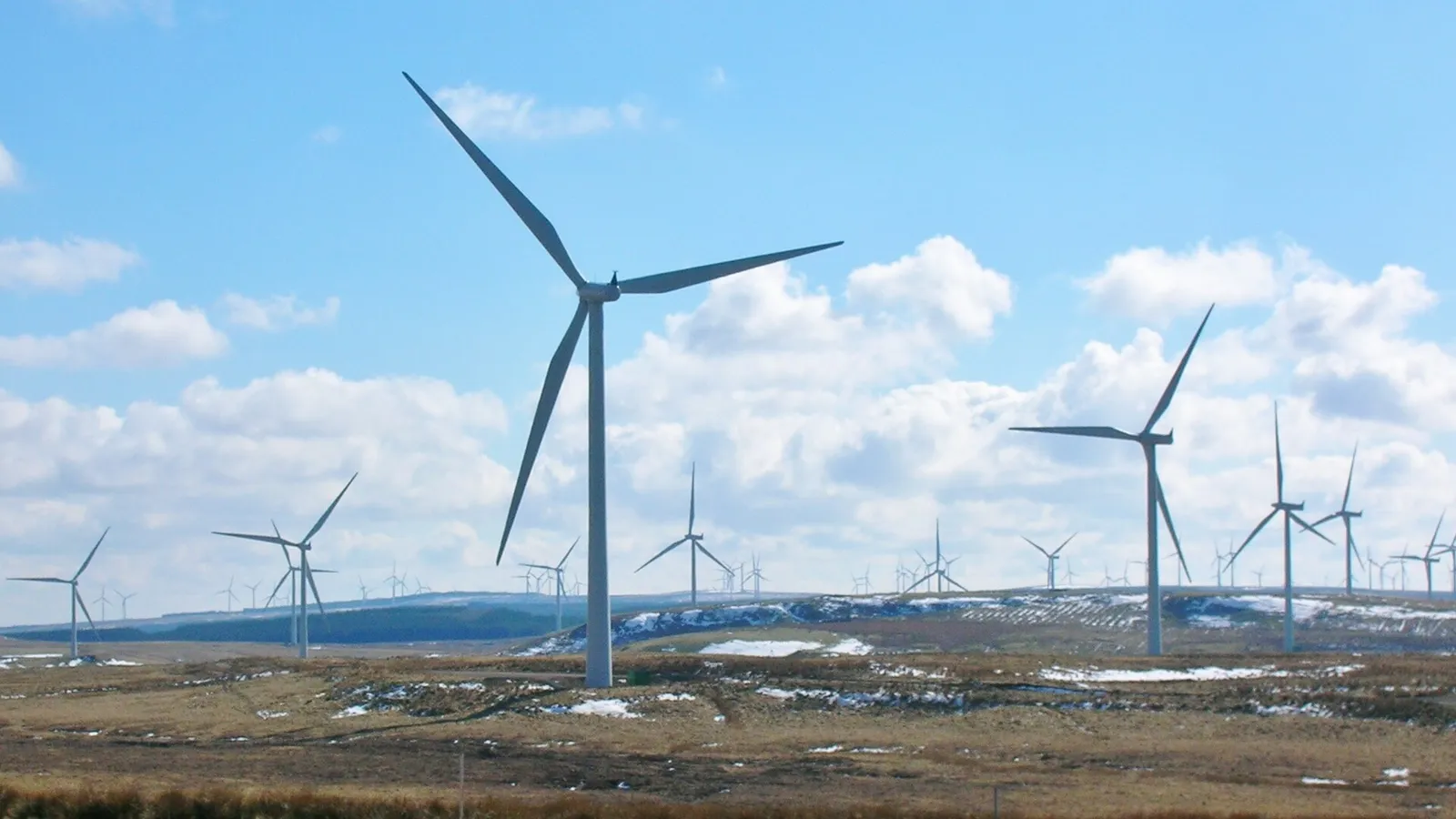
- established Hydroelectric power remains an active and valued part of Scotland's renewable energy mix today, now often paired with pumped-storage schemes (e.g. Cruachan), though it has long been overtaken in scale by wind power — confirmed by current Scottish Government and industry energy statistics.
Key Facts
- Peak Era
- Main construction era c. 1930s–1960s (statutory programme 1943 onward)
- Key Locations
- Galloway (Dumfries & Galloway); Tummel Valley/Pitlochry (Perthshire); Affric-Beauly, Great Glen, Loch Sloy, Cruachan (Argyll), and dozens of smaller Highland schemes
- Key Companies/Figures
- Tom Johnston (Secretary of State for Scotland, driving force behind the 1943 Act); North of Scotland Hydro-Electric Board; later Scottish and Southern Energy (SSE) as successor operator
- Status Today
- Active/transformed — many schemes still generating, now run by SSE and others; role within the energy mix has shifted from primary generation to flexible/pumped storage alongside dominant wind power
- SI Score
- 55/60
Scottish Impact Index (SI Score)
- Economic Impact
- 9/10
- Industrial Longevity
- 8/10
- Material Contribution
- 10/10
- Industrial Distinctiveness
- 9/10
- Industrial Legacy
- 10/10
- Recognition
- 9/10
55/60
Ranked =24th of 50 in Industry
A Note on Claims and Evidence
The Highland hydro programme is well documented through parliamentary and Hydro Board institutional records, engineering histories (notably Jim Miller's The Dam Builders: Power from the Glens), and Historic Environment Scotland's listings of dams, power stations and associated infrastructure. This article treats the 1943 Act, the Hydro Board's creation, scheme completion dates, and current operational status as documented. The social mission and its general success in extending electricity to remote communities is also well documented and treated as established. Where this article departs from the more celebratory popular narrative is in giving full weight to the documented costs — displacement, flooding of agricultural and historic land, and construction-worker hardship and fatalities — which are real and recorded, even though they are less often foregrounded in the schemes' popular commemoration; this is traditional, meaning the celebratory framing is the dominant popular telling, not that the costs are themselves in doubt.
Timeline
1920s – Early, small-scale hydro schemes developed by private industry (notably for the British Aluminium Company at Kinlochleven and Fort William, and the Grampian Electricity Supply Company) demonstrate hydro's potential in the Highlands (see also the separate "Aluminium" card).
Galloway hydro-electric scheme constructed and completed, one of the earliest large-scale multi-dam schemes in Scotland, in Dumfries and Galloway.
Hydro-Electric Development (Scotland) Act passed, driven by Tom Johnston as wartime Secretary of State for Scotland; the North of Scotland Hydro-Electric Board is established with an explicit social remit to electrify the Highlands, not purely commercial generation.
Major construction wave: Tummel Valley scheme (including the Pitlochry dam and fish ladder), Affric-Beauly scheme, Loch Sloy scheme and numerous others built across the Highlands, often employing large itinerant workforces including many migrant Irish and other European labourers.
Rural electrification extends rapidly to previously unconnected Highland communities, fulfilling much of the Hydro Board's founding social mission.
Cruachan pumped-storage power station, built inside Ben Cruachan in Argyll, begins operation — an engineering landmark combining hydro generation with large-scale energy storage.
The Hydro Board's role evolves; nuclear and fossil generation grow in parallel (see "Nuclear Scotland" card); hydro's relative share of Scottish generation declines even as it continues operating reliably.
Electricity industry privatisation; the Hydro Board's successor becomes part of Scottish Hydro-Electric, later merging into Scottish and Southern Energy (SSE).
Existing hydro schemes continue generating as part of Scotland's renewable mix; pumped storage (Cruachan, and proposed expansions) gains renewed attention as a flexible-generation solution to balance variable wind output; some new small-scale hydro schemes developed, alongside continued debate over further large-scale hydro and pumped-storage proposals in sensitive Highland landscapes.
Details
Origins and Early Development
Scotland's hydroelectric story begins not with the state-led 1943 programme but with private industrial hydro schemes built from the 1890s onward to power specific industrial operations — most notably the British Aluminium Company's works at Kinlochleven and later Fort William, which depended on cheap, abundant Highland hydro power to make energy-intensive aluminium smelting viable (a connection explored further in the separate "Aluminium" card). The Galloway hydro-electric scheme, completed in 1936, demonstrated that large-scale, multi-dam hydro generation for general electricity supply — not just a single industrial customer — was technically and economically feasible in the Scottish landscape.
The decisive turning point came during the Second World War, when Tom Johnston, serving as Secretary of State for Scotland, championed the Hydro-Electric Development (Scotland) Act of 1943. Johnston's vision was explicitly social as much as economic: he wanted to use hydro power to bring electricity to remote Highland communities that private utility companies had no commercial incentive to connect, framing it as "power from the glens" for the benefit of the people who lived in them, with profits from hydro schemes intended partly to subsidise rural connections that would otherwise never have been commercially viable.
Peak Scale and Significance
The resulting construction programme, carried out mainly through the 1940s, 1950s and into the 1960s by the newly created North of Scotland Hydro-Electric Board, was one of the largest civil engineering undertakings in Scottish history. Major schemes — the Tummel Valley/Pitlochry development, the Affric-Beauly scheme, Loch Sloy, and dozens of smaller dams and power stations across the Highlands — reshaped river systems and glens throughout the region. The scale of ambition culminated in the Cruachan pumped-storage station, completed in 1965, which hollowed out a chamber inside Ben Cruachan itself to house a power station capable of rapidly pumping water uphill using cheap off-peak power and releasing it to generate electricity at times of peak demand — an engineering feat still considered remarkable six decades later.
The social achievement was real: thousands of Highland households and farms gained mains electricity for the first time through this programme, a transformation in daily rural life that is not in dispute and should be stated plainly alongside the costs below. This genuinely was "power from the glens" delivering tangible benefit to glen-dwelling communities, not merely rhetoric.
The Honest Costs: Displacement, Flooding, and Worker Hardship
A complete account must also state plainly what the celebratory narrative often omits. Building dams and raising reservoir levels across the Highlands necessarily meant flooding glens, farmland, and in some cases land of historic or archaeological significance — communities and individual farms were displaced or lost land permanently, and local objections to specific schemes were a real and recurring feature of the programme's history, not a modern invention of hydro-scepticism. Some schemes proceeded over sustained local opposition regarding landscape change, loss of agricultural land, and disruption to salmon rivers and fishing livelihoods — Pitlochry's fish ladder, for instance, was itself an engineering response to legitimate concerns about blocking salmon migration, an indication that the environmental trade-offs were recognised even at the time, not only in retrospect.
The human cost of construction itself is also part of the honest record. Building dams in remote, mountainous terrain under difficult weather conditions was dangerous work, carried out substantially by migrant and itinerant labourers — including many Irish and other European workers — living in temporary construction camps (the "navvy" workforce) under often harsh conditions; injuries and fatalities during construction occurred and are documented in histories of the programme such as Jim Miller's The Dam Builders. This workforce's contribution, and the risks they bore, deserve explicit acknowledgment rather than being subsumed into an uncomplicated story of state benevolence.
Present-Day Status
Today, the hydro infrastructure built from the 1930s through the 1960s remains substantially in operation, now owned and run primarily by Scottish and Southern Energy (SSE) following the Hydro Board's post-privatisation restructuring. Hydro's role in Scotland's energy mix has shifted significantly: it is no longer the dominant source of electricity generation it once effectively was in the Highlands, having been overtaken by the much larger scale of onshore and offshore wind (see the separate "Renewable Energy Industry" card), but it retains a distinct and valuable role, particularly through pumped-storage capacity like Cruachan, which can respond rapidly to balance the UK grid against the inherent variability of wind generation. Proposals for new or expanded pumped-storage and hydro schemes in the Highlands continue to generate the same kind of local debate over landscape and environmental impact that characterised the original building programme — a reminder that the trade-offs inherent in large-scale hydro development have never fully gone away, only shifted in emphasis from rural electrification to grid-balancing for a renewables-dominated system.
Did You Know?
- The Cruachan pumped-storage power station, completed in 1965, is built entirely inside a hollowed-out chamber within the mountain Ben Cruachan in Argyll.
- Tom Johnston, the driving force behind the 1943 Hydro-Electric Development Act, explicitly intended hydro profits to subsidise electricity connections to remote Highland communities that private companies would never have found commercially worthwhile.
- The Pitlochry dam on the River Tummel includes a fish ladder, built specifically to allow salmon to continue migrating upstream past the new dam.
- Much of the hydro construction workforce of the 1940s–60s consisted of migrant Irish and other European labourers living in remote construction camps, a largely unsung workforce behind the "power from the glens" achievement.
- Some Highland hydro schemes proceeded despite real local opposition over flooded farmland and landscape change, a historical pattern that echoes in today's debates over new pumped-storage and hydro proposals.
- The earliest significant Scottish hydro schemes were built not for general electricity supply but to power a single industrial customer — the British Aluminium Company's smelters at Kinlochleven and Fort William.
- Hydro power, once effectively the dominant electricity source across the Highlands, has long since been overtaken in scale by Scotland's onshore and offshore wind industry.
- The Galloway hydro scheme, completed in 1936, predates the 1943 Act and the Hydro Board, making it an important but often overlooked precursor to the main Highland hydro programme.
FAQ
1When did Scotland's major hydroelectric programme begin?
The statutory programme began with the Hydro-Electric Development (Scotland) Act 1943, though earlier schemes (notably Galloway, completed 1936, and industrial schemes from the 1890s) preceded it.
2Who was Tom Johnston?
Secretary of State for Scotland during the Second World War, and the principal political figure behind the 1943 Act and the creation of the North of Scotland Hydro-Electric Board.
3What was the Hydro Board's social mission?
To bring electricity to remote Highland communities that private electricity companies had no commercial incentive to connect — framed as "power from the glens."
4Did building the hydro schemes have negative impacts?
Yes — dam and reservoir construction flooded farmland, displaced some communities, altered landscapes permanently, and in some cases drew real local opposition; construction work was also dangerous, with recorded worker injuries and fatalities.
5What is Cruachan?
A pumped-storage hydroelectric power station built inside Ben Cruachan in Argyll, completed in 1965, which pumps water uphill using cheap power and releases it to generate electricity rapidly at times of peak demand.
6Who operates Scotland's hydro schemes today?
Primarily Scottish and Southern Energy (SSE), successor to the North of Scotland Hydro-Electric Board following electricity industry privatisation.
7Is hydro still an important part of Scotland's energy supply?
Yes, though it has been overtaken in scale by wind power; hydro, especially pumped storage, retains an important role in balancing the grid.
8Were the hydro schemes connected to the aluminium industry?
Yes — some of the earliest Highland hydro schemes were built specifically to supply cheap power to British Aluminium's smelters at Kinlochleven and Fort William.
9Who built the dams?
A large workforce including many migrant Irish and other European labourers, working in often harsh conditions in remote construction camps.
10Are new hydro or pumped-storage schemes still being proposed?
Yes — proposals for new or expanded pumped-storage schemes in the Highlands continue to be put forward and continue to generate landscape and environmental debate.
11What is the Pitlochry fish ladder?
A structure built into the Pitlochry dam on the River Tummel to allow migrating salmon to pass upstream despite the dam, reflecting contemporary recognition of the scheme's ecological impact.
12Did the hydro schemes displace people?
Some communities and farms were affected by flooding and land loss during dam and reservoir construction, documented in historical and heritage records of the programme.
Sources and Further Reading
Primary/Institutional
- Historic Environment Scotland — listings for Highland hydro dams, power stations and associated structures
- Hydro-Electric Development (Scotland) Act 1943 — UK/Scottish statute record
- SSE (Scottish and Southern Energy) — corporate history of the hydro estate
Scholarly/Critical
- Jim Miller, The Dam Builders: Power from the Glens — detailed social and engineering history of the programme
- European Business History Association conference papers on Scottish hydro development
- Dumfries and Galloway Natural History and Antiquarian Society — "The Built Heritage of Dumfries and Galloway's Hydroelectric Power"
General
- Undiscovered Scotland — biography of Tom Johnston
- Drax — "A Brief History of Scottish Hydropower"
- Regional press coverage (The Courier, The Herald, Oban Times) on historical and contemporary hydro scheme debates
Caveats: Myths and Disputed Claims
- Do not state that the Highland hydro programme was universally welcomed at the time — significant, documented local opposition existed over flooding, displacement and landscape change.
- Do not omit the role and hardship of the migrant construction workforce when describing the schemes' achievements — this labour force is a documented and significant part of the story.
- Do not imply hydro remains Scotland's dominant electricity source today — it has long been overtaken in generation capacity by wind power, though it retains an important grid-balancing role.
- Do not conflate the 1943-onward state hydro programme with the earlier private industrial schemes (e.g. for aluminium smelting) as though they were the same initiative — they are historically distinct, though related, developments.
Card 004 · Industry