
Industrial Disease
Contents
Scotland's industrial age — coal mining, shipbuilding, and jute and textile manufacturing — left a legacy that outlasted the industries themselves: decades of occupational lung disease among workers, and a protracted legal battle for compensation that in some cases is still unfolding today.
TL;DR
- established Pneumoconiosis ("black lung"), asbestosis and mesothelioma, and byssinosis ("brown lung") are well-documented occupational diseases that affected Scottish miners, shipyard workers, and textile ("jute") workers respectively, confirmed through decades of occupational health records and medical research.
- established The west of Scotland, particularly the Clyde shipbuilding area, recorded mesothelioma rates among the highest in the world due to heavy historical asbestos use in ship construction and repair — documented in Health and Safety Executive and academic occupational epidemiology data.
- disputed Exactly how early shipbuilding and insulation companies' knowledge of asbestos risk should be judged against the scientific and regulatory understanding available at the time remains a matter of ongoing legal and historical argument, central to decades of asbestos litigation.
- established The UK legal system developed specific compensation mechanisms for industrial disease victims, including statutory schemes and landmark case law (notably on mesothelioma causation), because standard negligence law struggled to handle diseases with long latency periods and multiple employer exposure.
- established Mesothelioma, unlike many occupational diseases, can take several decades to develop after exposure, meaning Scotland's asbestos-related death toll from historical shipyard exposure has continued, and is expected to continue for some years yet, long after the exposure itself ended.
Key Facts
- Disease
- Primary industry | Cause | Key Scottish context
- Pneumoconiosis ("black lung" / coal workers' pneumoconiosis)
- Coal mining | Long-term inhalation of coal dust | Affected miners across Scotland's coalfields (Fife, Lanarkshire, Ayrshire, Lothians)
- Asbestosis
- Shipbuilding, insulation, construction | Inhalation of asbestos fibres causing lung scarring | Widespread in Clydeside shipyards using asbestos insulation extensively from the early 20th century
- Mesothelioma
- Shipbuilding, insulation, construction | Asbestos fibre exposure, often decades before diagnosis | West of Scotland recorded some of the highest mesothelioma rates in the world
- Byssinosis ("brown lung")
- Jute and textile manufacturing | Inhalation of cotton/jute dust | Particularly associated with Dundee's jute industry, the city's dominant 19th/early-20th century employer
- Latency period
- Varies | Mesothelioma: often 20–50 years between exposure and diagnosis | Means deaths from historical exposure continued long after shipyards closed
Scottish Impact Index (SI Score)
- National Consequence
- 9/10
- Enduring Effects
- 10/10
- Human & Material Cost
- 10/10
- Historical Significance
- 9/10
- Consequential Legacy
- 10/10
- Recognition
- 8/10
56/60
Ranked =13th of 45 in Shadow
A Note on Claims and Evidence
Occupational disease statistics for Scotland's industrial workforce draw on a combination of historical medical records, Health and Safety Executive mortality and compensation claims data, and extensive peer-reviewed occupational epidemiology research — mesothelioma in particular is unusually well studied given its distinctive, near-exclusive link to asbestos exposure, which makes causal attribution more straightforward than for many occupational illnesses. Where this topic involves genuine dispute is primarily legal and historical rather than medical: courts and historians have had to grapple with difficult questions about what asbestos-using industries and their insurers knew, and should have known, about the risks at different points across the 20th century, and these questions have shaped — and continue to shape — compensation litigation.
Timeline
Jute manufacturing dominates Dundee's economy; dust-related respiratory illness among workers is observed but poorly understood medically.
Asbestos insulation becomes widely used in shipbuilding, particularly for boiler and pipe lagging, across Clydeside yards.
Early medical recognition of asbestosis as a distinct occupational lung disease begins to emerge in UK and international medical literature.
Asbestos Regulations introduce the first UK statutory controls specifically targeting asbestos exposure in the workplace.
Mesothelioma's link to asbestos becomes firmly established in medical and legal understanding; diagnosis rates rise as earlier exposure's long latency period runs its course.
Pneumoconiosis etc. (Workers' Compensation) Act introduces a UK statutory compensation scheme for specific occupational lung diseases including coal workers' pneumoconiosis.
Major asbestos litigation against shipbuilding and insulation companies intensifies, with Scottish courts handling a significant share of UK mesothelioma claims given Clydeside's shipbuilding history.
UK Supreme Court predecessor (House of Lords) and subsequent Scottish and UK case law address complex causation issues in multi-employer mesothelioma claims.
Mesothelioma diagnosis and death rates in Scotland, while past their peak, remain elevated, reflecting the long latency period of historical exposure; specialist legal firms continue to handle asbestos compensation claims.
Details
Scale and scope
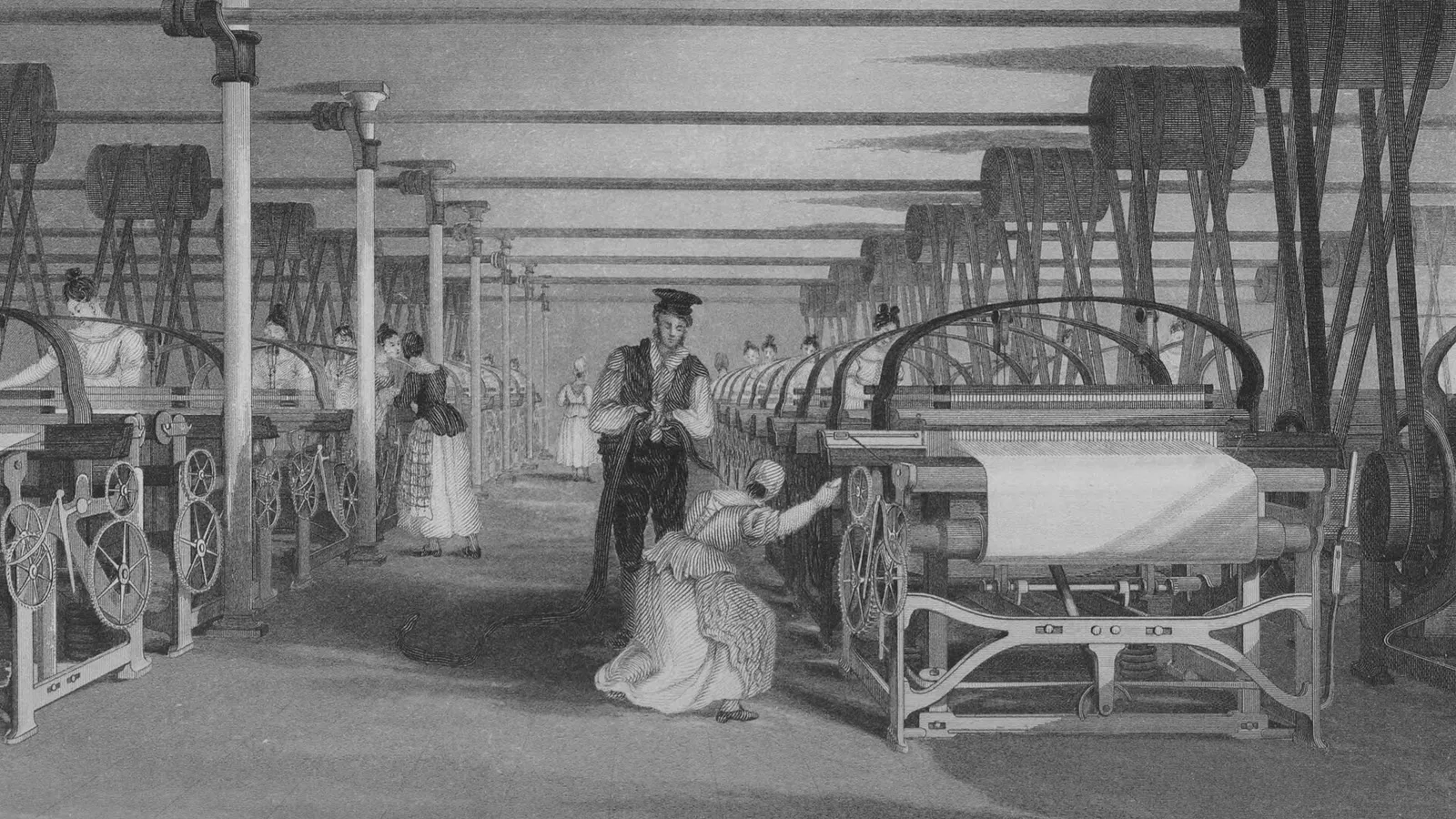
Scotland's heavy industrial economy — coal mining across its central belt coalfields, shipbuilding concentrated overwhelmingly along the River Clyde, and jute and textile manufacturing centred on Dundee — exposed hundreds of thousands of workers over more than a century to occupational hazards that produced three distinct, well-documented categories of chronic lung disease. Coal workers' pneumoconiosis, commonly known as "black lung," resulted from sustained inhalation of coal dust and affected miners across Fife, Lanarkshire, Ayrshire, and the Lothians. Asbestosis and, more gravely, mesothelioma resulted from asbestos fibre exposure, overwhelmingly concentrated among shipyard workers on the Clyde, where asbestos was used extensively as pipe and boiler lagging insulation from the early 20th century through to the 1970s. Byssinosis, or "brown lung," resulted from cotton and jute dust inhalation and was particularly associated with Dundee's jute industry, which dominated the city's economy and employed a large share of its — predominantly female — industrial workforce through the 19th and early 20th centuries.
Of these three, the Clyde's asbestos-related disease burden has proven the most severe and longest-running. The west of Scotland recorded mesothelioma incidence rates among the highest documented anywhere in the world, a direct consequence of the sheer scale and duration of asbestos use in Clydeside shipbuilding and repair work, combined with the disease's extremely long latency period — often two to five decades between exposure and diagnosis.
Causes
The underlying industrial causes are well understood medically: prolonged inhalation of fine particulate matter (coal dust, asbestos fibres, cotton/jute dust) causes progressive lung scarring (pneumoconiosis, asbestosis) or, in the specific case of asbestos, can trigger the development of mesothelioma, an aggressive cancer of the lining of the lungs or abdomen with an unusually clear causal link to asbestos exposure relative to most cancers. What is more genuinely contested is a distinct, historical and legal question: at what point did employers, asbestos manufacturers, and insurers know, or should reasonably have known, about the risks involved, and did they act appropriately on that knowledge? Early 20th-century medical understanding of asbestos risk developed gradually, and litigation and historical research have continued to probe exactly when specific companies possessed sufficient knowledge to have acted differently — a question central to decades of subsequent compensation claims and one where historians and courts have reached varying conclusions depending on the specific company, period, and evidence considered.
Compensation and legal history
Standard negligence law proved poorly suited to industrial disease claims, for a specific structural reason: diseases like mesothelioma can take decades to manifest, by which point a worker may have been employed by multiple companies, some since dissolved, making it difficult under ordinary legal principles to establish which specific employer's exposure caused the disease. This problem prompted both statutory and case-law responses. The Pneumoconiosis etc. (Workers' Compensation) Act 1979 established a no-fault statutory compensation scheme specifically for certain occupational lung diseases, including coal workers' pneumoconiosis, providing compensation without requiring workers to prove fault in court. For asbestos-related disease and mesothelioma specifically, UK courts — including cases argued in the Scottish courts given the concentration of claims arising from Clydeside shipbuilding — developed specific legal doctrines over subsequent decades addressing multi-employer and multi-exposure causation problems, allowing claims to proceed even where it was impossible to identify precisely which employer's asbestos exposure caused a given case of mesothelioma.
Scotland, given its shipbuilding history, has handled a disproportionately large share of the UK's total asbestos litigation and compensation claims relative to its population, and specialist Scottish legal firms built substantial practices specifically around representing asbestos disease victims and their families, a specialism that persists today given the disease's ongoing, long-tail incidence.
Outlook
Mesothelioma incidence in Scotland, while past its historical peak, is expected to remain elevated for some further years given the disease's long latency period — meaning people exposed to asbestos in shipyards that closed decades ago may only now be developing symptoms. Byssinosis and coal workers' pneumoconiosis, tied to industries that have almost entirely ceased operating in Scotland, represent a largely historical disease burden at this point, though some affected former workers and their families continue to pursue or receive compensation under long-established schemes. The broader legacy of Scotland's industrial disease history continues to shape UK occupational health and safety regulation, much of which was tightened specifically in response to the scale of harm documented across these three industries.
The workers' and campaign dimension
Beyond the courts, Scottish industrial disease history is also a history of worker and community organisation. Trade unions representing miners, shipyard workers, and jute mill workers played a significant role in both pressing for improved workplace safety regulation during the industries' active decades and, later, in supporting members and former members through the compensation process once diseases began to be formally recognised and litigated. Clydeside in particular developed a strong tradition of dedicated asbestos-victim support and campaign groups, some founded and run by affected workers and their families, which provided practical advice, connected claimants with specialist solicitors, and lobbied for stronger regulation and more accessible compensation mechanisms — activity that is widely credited with helping shape the eventual statutory and case-law reforms described above.
Broader public health legacy
The scale of documented harm from asbestos, coal dust, and textile dust exposure in Scotland fed directly into the development of much stricter UK-wide occupational health and safety regulation from the late 20th century onward, including comprehensive asbestos licensing and eventual full prohibition of asbestos use and import by the end of the 1990s. Occupational health specialists often cite Scotland's industrial disease experience, and the Clyde's asbestos legacy in particular, as a formative case study in UK workplace safety law, illustrating both the human cost of delayed regulation and the practical legal difficulties that diseases with long latency periods pose for any compensation system based on proving individual employer fault.
Why work was left out of the NHS
shared When the NHS began in 1948 it made no direct provision for occupational health. The historians Ronald Johnston and Arthur McIvor argue that this meant "the historic separation of work from health was now institutionalised", and that it slowed the response to asbestos disease on Clydeside. The historian Helen Dingwall finds this ironic, since a century of hospital building had been driven partly by industrialists' wish to keep their workers fit.
Did You Know?
- Mesothelioma can take between 20 and 50 years to develop after asbestos exposure, meaning Scotland's asbestos death toll from shipyards that closed decades ago has continued into the present day.
- The west of Scotland recorded some of the highest mesothelioma rates documented anywhere in the world, a direct legacy of Clydeside shipbuilding's extensive historical asbestos use.
- Byssinosis, or "brown lung," was particularly associated with Dundee's jute industry, which for over a century was dominated by a predominantly female industrial workforce.
- The Pneumoconiosis etc. (Workers' Compensation) Act 1979 created a no-fault statutory scheme specifically to compensate certain occupational lung diseases without requiring workers to prove employer negligence in court.
- Mesothelioma's unusually clear, near-exclusive causal link to asbestos exposure makes it one of the most straightforward cancers to attribute to a specific occupational cause, which has shaped much of the related litigation.
- Scotland, due to its shipbuilding history, has handled a disproportionately large share of the UK's total asbestos compensation litigation relative to its population.
- Asbestos was used extensively in shipbuilding specifically because of its heat-resistant and fire-retardant properties, valued for insulating boilers and pipework, before its health risks were fully understood and regulated.
- Scotland's coalfields spanned Fife, Lanarkshire, Ayrshire, and the Lothians, each contributing to the national coal workers' pneumoconiosis disease burden.
FAQ
1What is pneumoconiosis?
A chronic lung disease caused by long-term inhalation of dust, in this context specifically coal dust ("black lung"), causing progressive lung scarring and reduced lung function among miners.
2What is the difference between asbestosis and mesothelioma?
Asbestosis is lung scarring caused by asbestos fibre inhalation; mesothelioma is an aggressive cancer of the lung or abdominal lining, also caused by asbestos exposure, with a much longer typical latency period and a generally worse prognosis.
3Why was the Clyde so badly affected by asbestos-related disease?
Clydeside's shipbuilding industry used asbestos extensively as fire-resistant insulation for boilers and pipework for much of the 20th century, exposing large numbers of workers over a long period.
4What is byssinosis?
An occupational lung disease caused by inhaling cotton or jute dust, historically associated with Dundee's jute textile industry.
5Why did it take so long to compensate asbestos disease victims?
Standard negligence law required proving which specific employer's exposure caused the disease, which was often impossible given mesothelioma's decades-long latency period and workers' frequent employment by multiple companies; courts and Parliament developed specific legal mechanisms to address this over time.
6Is mesothelioma still being diagnosed in Scotland today?
Yes — due to the disease's long latency period, people exposed to asbestos decades ago in now-closed shipyards can still be diagnosed today, though overall incidence is past its historical peak.
7Did companies know about asbestos risks at the time?
This is a genuinely disputed historical and legal question that has varied by company and period; medical understanding of asbestos risk developed gradually across the 20th century, and litigation has continued to probe exactly when specific employers had sufficient knowledge to act.
8Is there a statutory compensation scheme for these diseases?
Yes — the Pneumoconiosis etc. (Workers' Compensation) Act 1979 established a no-fault scheme for specific occupational lung diseases, alongside separate case law developments addressing asbestos-related claims specifically.
9Are these diseases still a risk in Scottish industry today?
Asbestos use has been heavily regulated and largely phased out since the 1969 Asbestos Regulations and subsequent tightening of UK law; coal mining and large-scale jute manufacturing have almost entirely ceased in Scotland, making these primarily historical disease burdens today, albeit with an ongoing "long tail" of mesothelioma diagnoses.
10Why is mesothelioma considered unusually clear-cut medically?
Because it has a near-exclusive causal link to asbestos exposure, unlike most cancers which have multiple possible causes, making occupational attribution comparatively straightforward for doctors and courts.
11Did Scotland handle a large share of UK asbestos litigation?
Yes — given the concentration of shipbuilding on the Clyde, Scotland has handled a disproportionately large share of total UK asbestos compensation claims relative to its population.
Sources and Further Reading
Primary/Institutional
- Health and Safety Executive (HSE), mesothelioma mortality statistics and occupational disease data, hse.gov.uk
- UK Government, Pneumoconiosis etc. (Workers' Compensation) Act 1979, legislation.gov.uk
- Industrial Injuries Advisory Council, historical reports on occupational lung disease
Scholarly/Critical
- Helen M. Dingwall, A History of Scottish Medicine: Themes and Influences (Edinburgh University Press, 2003), chapter 9 — further reading
- Ronald Johnston and Arthur McIvor, "Whatever happened to the occupational health service? The NHS, the OHS and the asbestos tragedy on Clydeside", in Chris Nottingham (ed.), The NHS in Scotland (Ashgate, 2000) — further reading
- University of Stirling occupational health research on asbestos exposure and compensation
- Peer-reviewed occupational epidemiology research on Clydeside mesothelioma incidence
General
- Thompsons Solicitors Scotland, archived coverage of asbestos disease campaigns and claims
- International Ban Asbestos Secretariat (IBAS), "Asbestos in Scotland" historical overview
Caveats: Myths and Disputed Claims
It is sometimes assumed that asbestos risks were fully known and deliberately ignored from the early 20th century onward; in reality, scientific and regulatory understanding of asbestos risk developed gradually over decades, and precisely when specific companies possessed sufficient knowledge to have acted differently remains a genuinely contested historical and legal question, varying by company, period, and the specific evidence considered in each case. It is also sometimes assumed that industrial disease from this era is purely historical; in fact, due to mesothelioma's long latency period, new diagnoses linked to decades-old shipyard exposure continue to occur. Finally, coverage sometimes conflates the three diseases discussed here (pneumoconiosis, asbestosis/mesothelioma, byssinosis) as though they share identical causes and legal histories; while related in being occupational lung diseases from Scottish heavy industry, each has a distinct cause, affected workforce, and compensation history.
Card 040 · Shadow