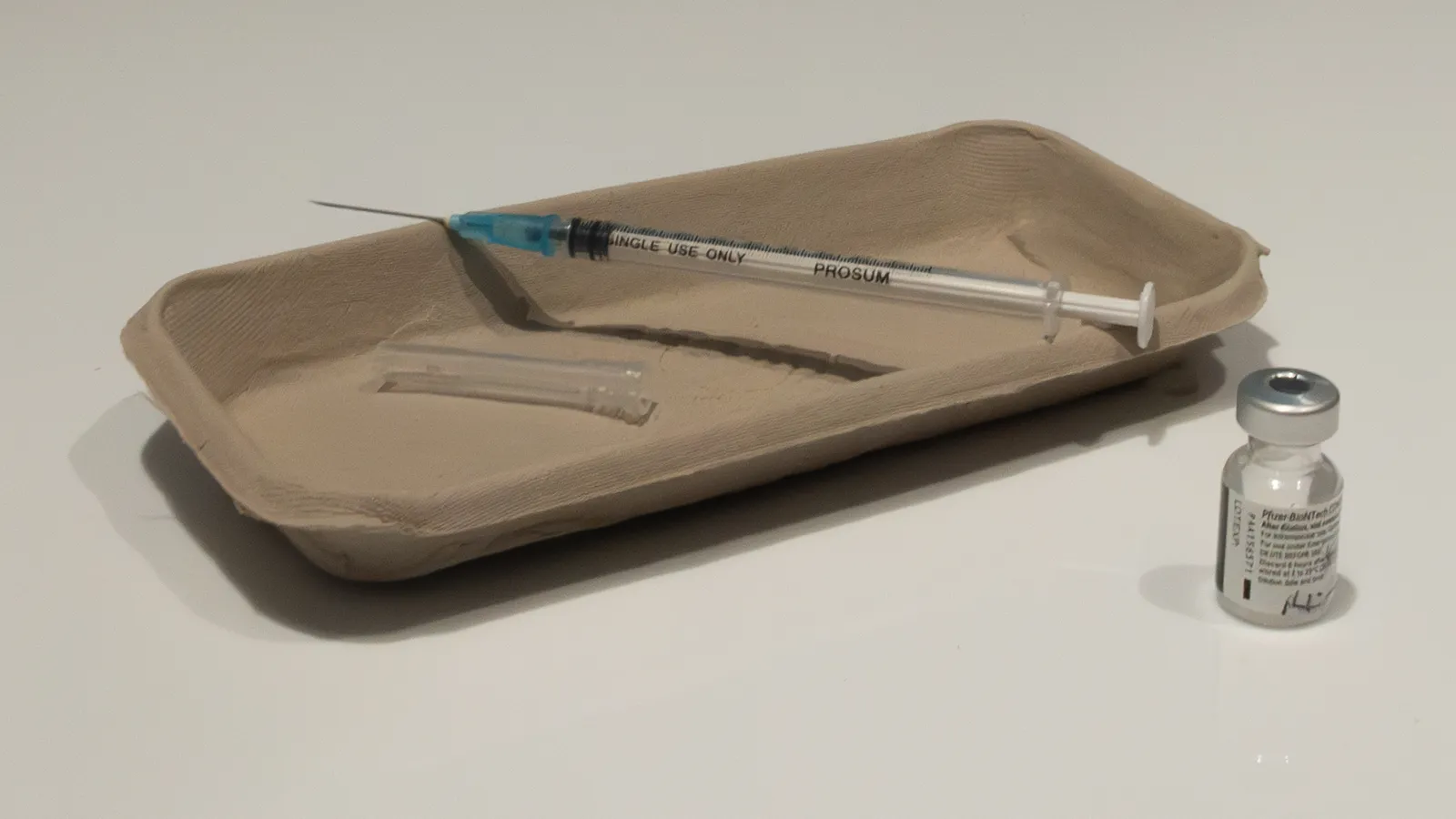

The COVID Vaccination Campaign
Contents
Scotland's COVID-19 vaccination programme, launched in December 2020, became one of the largest public-health logistics operations in the country's modern history, delivering millions of doses in a matter of months through a coordinated NHS Scotland effort. This article presents its documented scale, speed and public-health outcomes factually and dispassionately, in line with this publication's neutrality standard for this topic.
TL;DR
- established The UK's COVID-19 vaccination programme began on 8 December 2020, with Scotland's NHS boards administering the first doses within days under the UK-wide authorisation of the Pfizer-BioNTech vaccine — this is a documented, undisputed date.
- established Scotland prioritised care home residents, staff, and the oldest and most clinically vulnerable age groups first, following Joint Committee on Vaccination and Immunisation (JCVI) prioritisation guidance applied UK-wide — a matter of recorded public health policy.
- established Scotland's Government reported reaching three million first vaccinations within the programme's early months, a milestone announced and documented by the Scottish Government — the pace of rollout is a matter of public record, not interpretation.
- traditional Scotland's vaccination uptake is widely described in official reporting as having been among the highest in the UK, though precise international and inter-nation comparisons depend on measurement methodology and the specific time point compared, so this should be read as a well-supported general pattern rather than a single precisely ranked statistic.
- disputed Some specific aspects of the campaign — including the pace of booster rollout in particular periods, communication to specific communities, and uptake disparities by deprivation and ethnicity — have been the subject of ongoing public health research and some criticism, and are presented here as documented areas of analysis rather than settled verdicts.
Key Facts
- Aspect
- Detail
- UK vaccination start
- 8 December 2020
- Scotland rollout start
- Within days of the UK-wide start, December 2020
- First vaccine used
- Pfizer-BioNTech (later joined by Oxford-AstraZeneca and Moderna)
- Early priority groups
- Care home residents and staff; over-80s; frontline health and social care workers (per JCVI guidance)
- Key Scottish Government milestone announcement
- Three million people receiving a first vaccination (announced via gov.scot)
- Key delivery bodies
- NHS Scotland health boards; Public Health Scotland (data and surveillance)
- Later phases
- Second-dose completion through spring/summer 2021; booster and autumn/winter campaigns from late 2021 onward, including a response to the Omicron variant
- Main data sources
- Public Health Scotland COVID-19 vaccination statistics; Scottish Government vaccination strategy publications
Scottish Impact Index (SI Score)
- National Consequence
- 9/10
- Enduring Effects
- 8/10
- Human & Material Cost
- 6/10
- Historical Significance
- 9/10
- Consequential Legacy
- 9/10
- Recognition
- 10/10
51/60
Ranked #23 of 45 in Shadow
A Note on Claims and Evidence
Dates, prioritisation groups, and headline uptake figures in this article are drawn from Scottish Government and Public Health Scotland publications, which report vaccination data using standard public-health surveillance methodology and are not seriously disputed as factual records. Comparative claims (for example, "among the highest in the UK") depend on the specific metric, age group, and time point used, and such comparisons can shift depending on methodology; this article presents them as well-supported general patterns rather than precise rankings. Evaluative questions about the overall adequacy, pace, or communication strategy of the campaign are treated as areas of ongoing public health research and discussion, in keeping with this publication's neutrality standard, and this article does not take a position on vaccine policy debates themselves.
Timeline
The UK medicines regulator (MHRA) authorises the Pfizer-BioNTech vaccine for emergency use, the first COVID-19 vaccine approved for UK-wide use.
Vaccination begins across the UK, including Scotland, with the first doses given to care home staff, over-80s and health and social care workers, per JCVI priority guidance.
Vaccination expands rapidly through Scotland's NHS health boards, reaching further priority groups by age and clinical vulnerability.
The Scottish Government publishes its COVID-19 vaccination plan, setting out the phased rollout strategy.
Oxford-AstraZeneca and later Moderna vaccines join the Pfizer-BioNTech vaccine in the UK and Scottish rollout, expanding supply.
Vaccination extends progressively to younger adult age groups as supply increases; second-dose completion accelerates across the population.
Scottish Government reports milestones including three million people having received a first vaccination.
A booster vaccination campaign begins, accelerated in response to the emergence of the Omicron variant, as set out in the Scottish Government's autumn/winter vaccination strategy (December 2021 progress report).
Ongoing seasonal and targeted booster campaigns continue for defined vulnerable and older population groups, administered by NHS Scotland and recorded by Public Health Scotland.
Details
Background: building the infrastructure
Scotland's COVID-19 vaccination programme required NHS Scotland to construct, in a matter of weeks, a delivery infrastructure capable of administering millions of doses to a population of around 5.5 million people, something without precedent in the country's recent public-health history in terms of speed and scale. This involved mass vaccination centres, GP-practice-based delivery, mobile and outreach teams for care homes and housebound patients, and a logistics chain for vaccines that, in the case of the first available vaccine (Pfizer-BioNTech), required ultra-cold storage — a significant practical constraint for remote and rural delivery that NHS Scotland had to specifically plan around, including for the island and Highland communities discussed elsewhere in this series.
Prioritisation and early rollout
Following UK-wide JCVI (Joint Committee on Vaccination and Immunisation) guidance, Scotland's rollout prioritised groups at the highest risk of severe illness and death from COVID-19 first: care home residents and staff, over-80s, and frontline health and social care workers, followed by progressively younger age bands and clinically vulnerable groups as supply allowed. This prioritisation logic — protecting those at greatest individual risk first, rather than, for example, prioritising by occupation or geography — reflected the core public-health rationale behind the UK-wide vaccination strategy and was applied consistently across Scotland's health boards.
Vaccination began on 8 December 2020, within days of the UK-wide programme's launch, with Scotland's first doses administered to care home staff and the oldest and most vulnerable patients. The Scottish Government's own vaccination plan, published 13 January 2021, set out the phased approach in detail, including target delivery timescales for each priority group.
Scale and pace
The programme's pace, once underway, was rapid by historical public-health standards. The Scottish Government publicly reported reaching milestones such as three million first vaccinations within a period of months — a substantial share of Scotland's adult population — reflecting both the scale of NHS Scotland's delivery effort and strong initial public uptake. Supply expanded through early 2021 as the Oxford-AstraZeneca vaccine, and later Moderna, joined Pfizer-BioNTech in the available vaccine portfolio, allowing further acceleration of the rollout to younger age groups through spring and summer 2021.
The booster and Omicron response
As initial two-dose vaccination coverage expanded through 2021, attention shifted to booster doses, intended to maintain protection as vaccine-induced immunity was found to wane somewhat over time, and to address the emergence of new variants. The emergence of the Omicron variant in late 2021 prompted a significant acceleration of Scotland's booster campaign, detailed in the Scottish Government's published "autumn and winter vaccination strategy" progress report of December 2021, which set out accelerated delivery plans in direct response to the variant's rapid spread. This phase placed significant additional demand on NHS Scotland's vaccination infrastructure within a compressed timeframe, a logistical challenge that is documented in official reporting alongside the programme's successful delivery of substantially increased booster capacity.
Uptake patterns and documented disparities
Public Health Scotland's vaccination statistics, published at national and local level, document not only overall uptake but also variation by age, geography, deprivation and ethnicity. Research conducted by Public Health Scotland and academic partners has identified lower vaccination uptake in some more deprived communities and among some ethnic minority groups relative to the general population — a pattern also observed in other parts of the UK and in other countries' vaccination campaigns. This has been the subject of targeted public-health communication and outreach efforts by NHS Scotland and partner organisations, aimed at addressing specific barriers (such as access, trust, and language) identified in this research. This article presents these documented uptake disparities and the policy response to them as a matter of public-health record, without further evaluative characterisation.
Outcomes and ongoing assessment
Public Health Scotland and academic researchers have published analyses examining the vaccination programme's association with reduced severe illness, hospitalisation and mortality from COVID-19 in Scotland, consistent with similar findings reported internationally for COVID-19 vaccines generally. As with any large public-health intervention, the precise scale of lives saved or hospitalisations avoided depends on modelling assumptions and comparison methodology, and is the subject of ongoing academic study rather than a single universally agreed figure; this article notes the existence and general direction of this evidence base without presenting a specific headline number as definitive.
Workforce, volunteers and the scale of the civilian effort
Delivering a programme of this scale required mobilising far more than NHS Scotland's existing permanent workforce. Retired clinicians, student nurses and medical students, and a large cohort of newly trained vaccinators were recruited and trained specifically for the rollout, alongside administrative and logistics staff coordinating appointment booking, venue management and supply-chain distribution across Scotland's 14 territorial health boards. Local authorities, the Scottish Ambulance Service, and in some areas the armed forces provided additional logistical and venue support, particularly for mass vaccination centres and for reaching housebound or care-dependent patients who could not attend a central site. This mobilisation is frequently cited by public-health historians as one of the more significant civilian logistical undertakings in Scotland's modern public-health history, comparable in scale, if not in nature, to wartime civil mobilisation efforts.
International and cross-UK comparison
Scotland's vaccination programme operated within the UK-wide vaccine procurement and supply framework (vaccines were purchased and allocated UK-wide, with devolved administrations responsible for delivery logistics within their own health systems), meaning Scotland's rollout pace was shaped by both UK-wide supply availability and Scotland-specific delivery capacity. Comparative reporting across the four UK nations through 2021 generally placed Scotland's uptake rates among the strongest in the UK for several key milestones, though the precise ranking shifted at different points in the rollout and depended on which age group or dose number was being compared. Internationally, Scotland's pace in the early months of the programme was also frequently cited in UK and international commentary as comparable to, or ahead of, many other European countries', reflecting both the UK's early vaccine procurement decisions (made at UK Government level) and the devolved delivery effort within Scotland itself.
Did You Know?
- Scotland's vaccination programme began within days of the UK-wide 8 December 2020 start, among the earliest mass COVID-19 vaccination efforts in the world.
- The Pfizer-BioNTech vaccine's initial ultra-cold storage requirement posed specific logistical challenges for delivery to Scotland's remote and island communities.
- Care home residents and staff were prioritised first in Scotland's rollout, reflecting the significant impact of COVID-19 on care home populations documented earlier in the pandemic.
- The Scottish Government published a dedicated written vaccination plan in January 2021, separate from and alongside the UK-wide strategy.
- Three vaccines — Pfizer-BioNTech, Oxford-AstraZeneca and Moderna — were used across Scotland's rollout at different stages, as supply expanded through 2021.
- The emergence of the Omicron variant in late 2021 triggered a specifically accelerated booster campaign, detailed in a dedicated Scottish Government strategy update that December.
- Public Health Scotland has published detailed research identifying vaccination uptake disparities by deprivation and ethnicity, informing subsequent targeted outreach efforts.
- Vaccination delivery in Scotland combined mass vaccination centres, GP practices, pharmacies, and mobile outreach teams to reach housebound and remote patients.
FAQ
1When did Scotland's vaccination programme start?
Within days of the UK-wide programme's launch on 8 December 2020.
2Which vaccine was used first?
The Pfizer-BioNTech vaccine, the first to receive UK regulatory authorisation, on 2 December 2020.
3Who was vaccinated first in Scotland?
Care home residents and staff, people aged over 80, and frontline health and social care workers, following UK-wide JCVI prioritisation guidance.
4How fast was the rollout?
The Scottish Government reported reaching milestones such as three million first vaccinations within months of the programme's launch, reflecting a rapid rollout by historical public-health standards.
5Did Scotland have its own vaccination strategy, separate from the rest of the UK?
Yes — the Scottish Government published its own written vaccination plan (January 2021) and subsequent strategy updates, operating within the UK-wide vaccine supply and JCVI prioritisation framework but with its own delivery planning.
6Was uptake the same across all communities in Scotland?
No — Public Health Scotland's published research documents lower uptake in some more deprived communities and some ethnic minority groups, a pattern also seen elsewhere in the UK and internationally, which prompted targeted outreach efforts.
7What triggered the booster campaign acceleration in late 2021?
The emergence of the Omicron variant, which prompted the Scottish Government to publish an accelerated autumn/winter booster strategy in December 2021.
8How many vaccine types were used in Scotland?
Three main vaccines were used across the rollout: Pfizer-BioNTech, Oxford-AstraZeneca, and Moderna, introduced at different stages as supply expanded.
9How was the vaccine delivered to remote and island communities?
Through a combination of mobile and outreach teams alongside GP practices and local health board planning, specifically designed to address the logistical challenges (including cold-storage requirements) of reaching remote and rural populations.
10Did the vaccination programme reduce COVID-19 deaths and hospitalisations in Scotland?
Public Health Scotland and academic research have found evidence consistent with reduced severe illness, hospitalisation and mortality associated with vaccination, in line with international findings, though precise quantification depends on study methodology and remains a subject of ongoing research rather than a single fixed figure.
11Is vaccination uptake data still published?
Yes — Public Health Scotland continues to publish vaccination uptake statistics, including for ongoing seasonal and targeted booster programmes for defined population groups.
12Was there significant public debate about vaccine policy in Scotland?
As elsewhere, vaccination policy and communication were subjects of public discussion and some criticism regarding specific aspects (pace, communication, and uptake disparities); this publication presents these as documented areas of analysis rather than taking a position on vaccine policy debates.
Sources and Further Reading
Primary/Institutional
- Public Health Scotland, COVID-19 vaccination statistics and surveillance reports — publichealthscotland.scot
- Scottish Government, "Coronavirus (COVID-19) vaccination plan" (January 2021) and subsequent strategy updates — gov.scot
- Scottish Government, "Scotland's autumn and winter vaccination strategy: progress report" (December 2021) — gov.scot
- UK Medicines and Healthcare products Regulatory Agency (MHRA), vaccine authorisation announcements
Scholarly/Critical
- Public Health Scotland and academic research on vaccination uptake disparities by deprivation and ethnicity
- Peer-reviewed epidemiological studies on COVID-19 vaccine effectiveness in reducing severe illness and mortality, UK and international
General
- Regional press coverage of local vaccination milestones across Scotland (2021), various outlets
Caveats: Myths and Disputed Claims
- Myth: Scotland's vaccination programme was identical in every respect to England's. Both operated within the same UK-wide vaccine supply and JCVI prioritisation framework, but Scotland published and followed its own delivery plans and strategy documents.
- Overstatement risk: precise claims of "lives saved." Figures for lives or hospitalisations saved by vaccination depend on modelling assumptions and vary between studies; this article treats the general direction of the evidence (reduced severe illness and mortality) as well-supported without endorsing any single specific headline number.
- Disputed: communication and uptake strategies for specific communities. Documented disparities in uptake by deprivation and ethnicity have prompted ongoing debate about whether outreach and communication approaches were sufficient or well-targeted, a matter of continuing public-health assessment.
- Minimisation risk: downplaying logistical achievement or downplaying disparities. Both the scale of the delivery achievement and the documented uptake disparities are factual and well-evidenced; neither should be minimised relative to the other.
Card 047 · Shadow