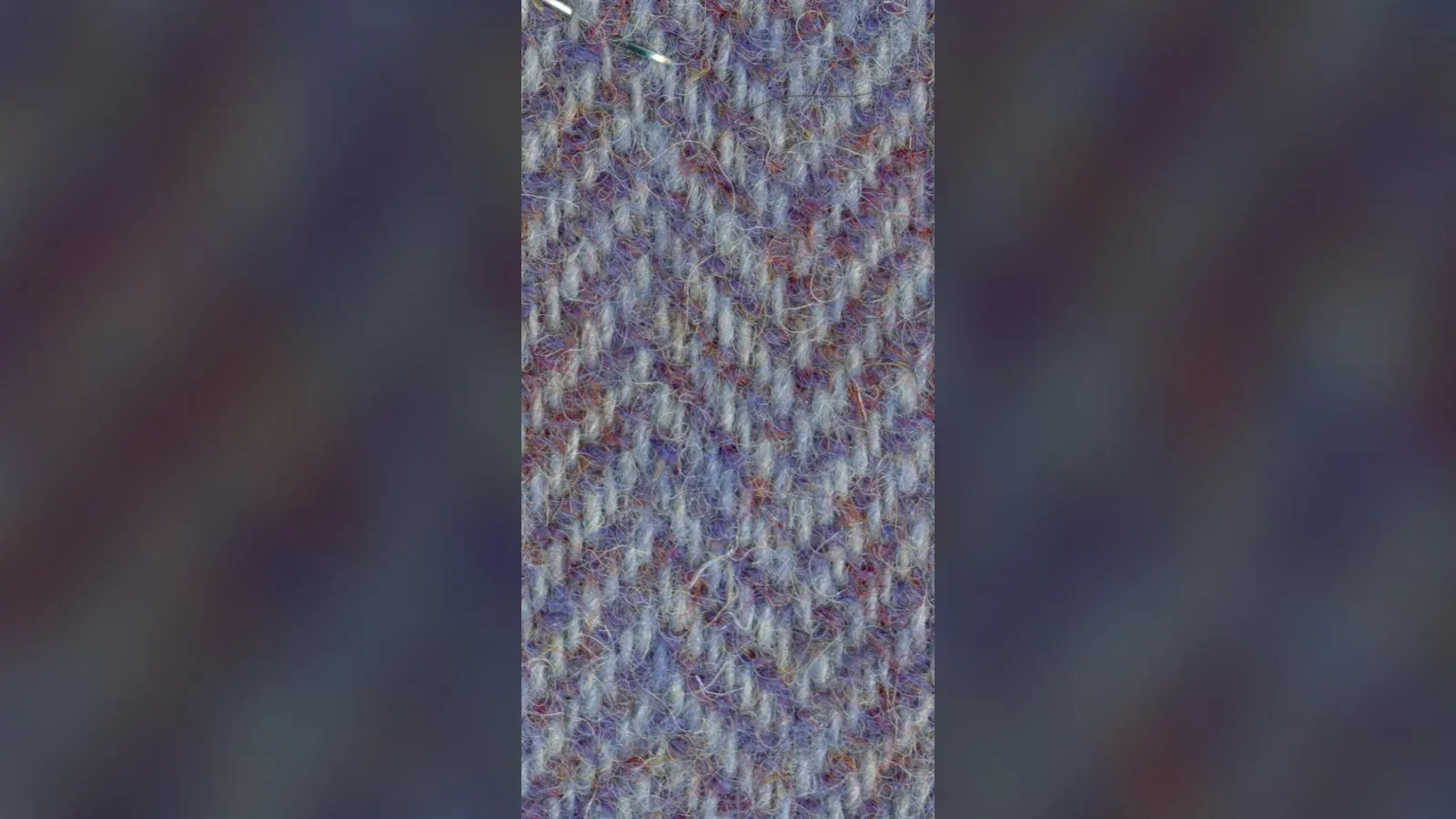

Harris Tweed: A Cloth Protected by Its Own Act of Parliament
Contents
Harris Tweed is a handwoven woollen cloth made in the Outer Hebrides. It is the only fabric protected by its own Act of Parliament, and its Orb trademark is one of the oldest certification marks in Britain. Islanders wove cloth for their own use for generations; an aristocratic widow turned it into a fashionable product in the 1840s; and the industry has survived near-collapse more than once. This card tests what is documented and what is a good story.
TL;DR
- established The Harris Tweed Act 1993 defines Harris Tweed in law as tweed hand-woven by islanders at their homes in the Outer Hebrides, finished there, and made from pure virgin wool dyed and spun in the Outer Hebrides.
- established The Orb trademark was registered in 1910 by the Harris Tweed Association, formed in 1909; stamping of the cloth began in 1911.
- shared Lady Dunmore, widow of the Earl of Dunmore, began marketing Harris cloth in the 1840s, after having her family's tartan woven by Harris weavers in 1846. Sources disagree on whether the Earl died in 1843 or 1845.
- traditional The story that "tweed" began when a London merchant misread the Scots word "tweel" (twill) around 1831 is an old tradition with no surviving documentary proof.
- established Production peaked at 7.6 million yards in 1966, fell steeply over the next forty years, and recovered after 2007.
Key Facts
- Where made
- Outer Hebrides: Lewis, Harris, Uist and Barra
- Gaelic name for the home-woven cloth
- Clò Mòr, "the big cloth"
- Commercial start
- 1840s, promoted by Lady Dunmore
- Harris Tweed Association
- Formed 1909
- Orb trademark
- Registered 1910; stamping from 1911
- Mill-spun yarn allowed
- 1934
- Court ruling on where it must be made
- 1964
- Harris Tweed Act
- 1993, creating the Harris Tweed Authority
- Peak production
- 7.6 million yards, 1966
- Recovery milestone
- 1 million metres in 2012, the highest in 17 years
Scottish Impact Index (SI Score)
- Cultural Reach
- 8/10
- Continuity of Tradition
- 9/10
- Social & Economic Importance
- 9/10
- Scottish Distinctiveness
- 10/10
- Cultural Legacy
- 9/10
- Recognition
- 9/10
54/60
Ranked #10 of 19 in Traditions
A Note on Claims and Evidence
Each major claim carries one of three labels. established means supported by primary records, official bodies or several independent reliable sources. shared means the core fact is sound but sources disagree on details, dates or interpretation. traditional means widely repeated but not traceable to a primary or independent source.
The legal and trademark history is well documented. The weaker points are early dates and the origin of the word "tweed". Sources disagree on the year the Earl of Dunmore died and on when Harris cloth was first sold commercially. Production figures also vary by source and by whether they are given in yards or metres.
Timeline
Islanders weave woollen cloth at home for their own use.
By tradition, a London merchant misreads "tweel" as "tweed", giving the cloth trade its name.
Alexander Murray, 6th Earl of Dunmore, dies; the Harris estate passes to his widow.
Lady Dunmore has her family's tartan woven in tweed by Harris weavers and begins promoting the cloth.
The Harris Tweed Association is formed to protect the name.
The Orb trademark is registered.
Stamping of Harris Tweed with the Orb begins.
The definition is changed to allow island mill-spun yarn; stamped production rises tenfold.
A court ruling by Lord Hunter confirms that all processes must take place in the Outer Hebrides.
Production peaks at 7.6 million yards.
The Harris Tweed Act creates the Harris Tweed Authority.
Harris Tweed Hebrides is founded, helping revive the industry.
Production reaches 1 million metres, the highest in 17 years.
Details
Cloth for the islands
established For generations, people in Lewis, Harris, Uist and Barra wove woollen cloth by hand from the wool of their own sheep, for their own families. In Gaelic it was Clò Mòr, "the big cloth". It was thick, warm and suited to the islands' weather. Only in the 19th century did it begin to be sold to outsiders.
Lady Dunmore and the first market
shared The person usually credited with creating that market is Catherine, Countess of Dunmore, widow of Alexander Murray, 6th Earl of Dunmore, who owned the Harris estate. Sources give the Earl's death as 1843 or 1845. In 1846, according to the Harris Tweed Authority, she had the Murray family tartan woven in tweed by Harris weavers. She then promoted the cloth to her wealthy friends and arranged exhibitions and sales, and orders spread to merchants across the country. Accounts differ on when the first commercial piece was sold.
Where does the word "tweed" come from?
traditional The popular story says that around 1831 a Hawick firm wrote to a London merchant, James Locke, about "tweels", the Scots word for twill cloth. The merchant misread it as "tweed", thinking of the River Tweed, and the name stuck. It is a good story and an old one, but no letter survives and the details vary. It may be folk etymology.
established Either way, "tweed" as a trade name belongs to the woollen industry of the Scottish Borders in the early 19th century. Harris Tweed is a later and separate, protected kind of tweed. The two are often confused.
The Orb and the law
established As Harris Tweed became popular, imitations followed. In 1909 the Harris Tweed Association was formed to protect it. It registered the Orb and Maltese Cross, with the words "Harris Tweed" beneath, as a trademark in 1910, and stamping began in 1911. In 1934 the definition was changed to allow yarn spun in island mills as well as by hand, and stamped production rose tenfold. A court ruling by Lord Hunter in 1964 confirmed that every stage of production had to take place in the Outer Hebrides.
established The Harris Tweed Act 1993 put the definition into statute and created the Harris Tweed Authority to replace the Association. The Act defines Harris Tweed as tweed hand-woven by the islanders at their homes in the Outer Hebrides, finished in the Outer Hebrides, and made from pure virgin wool dyed and spun there. Harris Tweed is widely described, including by its makers, as the only fabric in the world protected by its own Act of Parliament.
Boom, collapse and revival
established Production peaked at 7.6 million yards in 1966. Over the next forty years it fell sharply, and by the 2000s the industry was in danger of disappearing. In the early 1990s the industry introduced a new double-width loom and retrained weavers, and in 2007 Harris Tweed Hebrides was founded. Demand from fashion houses and footwear brands, including Nike in 2004, helped revive the trade.
shared Figures for the low point and the recovery vary by source. One account gives 450,000 metres in 2009 and 1 million metres in 2012, the highest in 17 years. In 2014 the Harris Tweed Authority put the number of home weavers at about 190.
Did You Know?
- Harris Tweed must be woven by hand in the weaver's own home.
- The Orb trademark has been stamped on Harris Tweed since 1911.
- In Gaelic, the home-woven cloth was called Clò Mòr, "the big cloth".
- Allowing mill-spun yarn in 1934 increased stamped production tenfold.
- Production peaked at 7.6 million yards in 1966.
- The word "tweed" may come from a clerk misreading "tweel", but no proof survives.
- Nike used Harris Tweed in trainers in 2004.
- In 2014 there were about 190 home weavers.
FAQ
1What is Harris Tweed?
A woollen cloth hand-woven by islanders at their homes in the Outer Hebrides, from wool dyed and spun there.
2Is Harris Tweed protected by law?
Yes. The Harris Tweed Act 1993 defines it in law.
3Is it really the only fabric with its own Act of Parliament?
That is how it is widely described, including by its makers.
4What is the Orb?
The Harris Tweed trademark, registered in 1910 and stamped on the cloth since 1911.
5Is Harris Tweed made only on Harris?
No. It is made across the Outer Hebrides, including Lewis.
6Who first marketed Harris Tweed?
Lady Dunmore, widow of the Earl of Dunmore, from the 1840s.
7Where does the word "tweed" come from?
Possibly from a misreading of "tweel", Scots for twill. That story is unproven.
8Is all tweed Harris Tweed?
No. Tweed is a general name from the Borders woollen trade. Harris Tweed is a protected kind.
9Is Harris Tweed still hand-woven?
Yes. The law requires it to be woven by hand at home.
10Did the industry nearly collapse?
Yes. Production fell steeply from its 1966 peak before recovering after 2007.
11Who runs Harris Tweed today?
The Harris Tweed Authority, set up by the 1993 Act, protects the name; the cloth is made by home weavers and island mills.
Sources and Further Reading
Primary/Institutional
- Harris Tweed Authority, "The Harris Tweed Story" (harristweed.org)
- Outer Hebrides Heritage, "Harris Tweed: an islands story" (outerhebridesheritage.org.uk)
General
- PBS NewsHour, "From sheep to shop, Scotland's tweed reinvents itself", 2014 (pbs.org)
- Wikipedia, "Harris tweed" (en.wikipedia.org)
Caveats: Myths and Disputed Claims
- Do not present the "tweel" misreading as the proven origin of the word "tweed".
- Do not confuse tweed in general, a Borders trade name, with Harris Tweed.
- Do not give the Earl of Dunmore's death date as settled; sources say 1843 or 1845.
- Do not say Harris Tweed is made only on the Isle of Harris.
- Do not quote a single production figure for the industry's low point without a source.
Card 003 · Traditions