
The Loch Ness Monster
Contents
Nessie is probably the most famous creature that does not exist. The idea of a monster in Loch Ness is often said to be 1,500 years old, but the modern legend can be dated almost to the day: it began with a newspaper report in May 1933. Since then there have been hoaxes, expeditions, sonar sweeps and a DNA survey of the whole loch, and no monster has been found. This card tests where the legend came from, which famous evidence was faked, and what science has actually found.
TL;DR
- established The modern legend began on 2 May 1933, when the Inverness Courier reported a sighting by Aldie Mackay and her husband on the new road along the loch.
- shared Adomnán's Life of St Columba, written around 700, tells of Columba driving off a "water beast" in the River Ness, not the loch. Calling it the first Nessie sighting stretches the evidence.
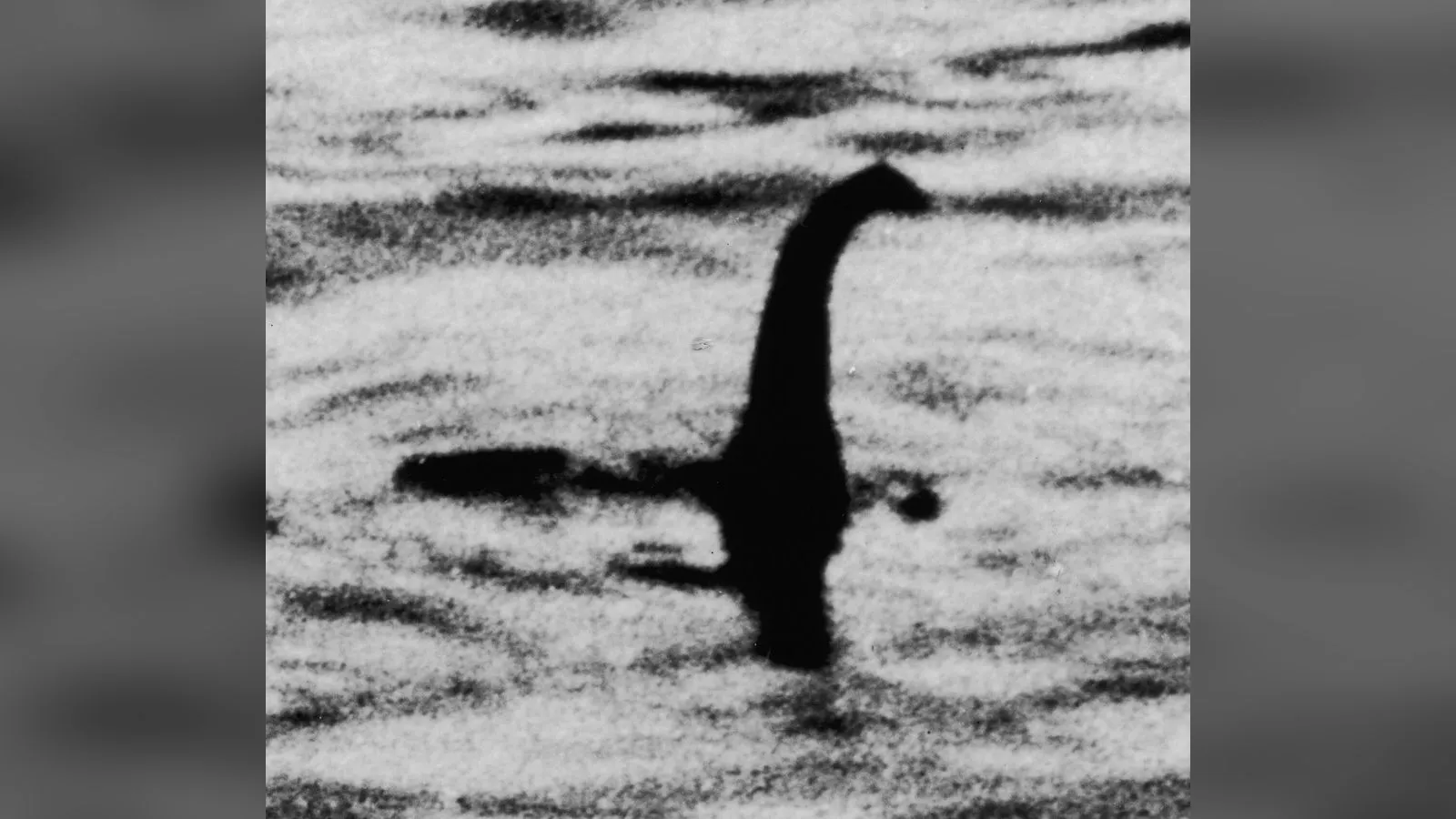
- established The "Surgeon's Photograph" of 1934, the most famous picture of Nessie, was a hoax made with a toy submarine and a model head.
- established Searches have found no monster. A 2003 BBC sonar survey found no animal of substantial size, and a 2018 DNA survey found no reptile DNA but a great deal of eel DNA.
- established Loch Ness is the largest body of fresh water in Britain by volume, and Nessie is a major draw for tourists.
Key Facts
- Loch Ness
- About 22.5 miles long; about 812 ft deep
- Volume
- Largest body of fresh water in the UK by volume
- Columba story
- Life of St Columba, c.700; set in the River Ness
- Modern legend begins
- Inverness Courier, 2 May 1933
- Spicer sighting
- 22 July 1933, reported 4 August
- Surgeon's Photograph
- Daily Mail, 21 April 1934; a hoax
- Loch Ness Investigation Bureau
- 1962–1972
- Operation Deepscan
- 1987, 24 boats with echo sounders
- BBC sonar survey
- 2003, 600 sonar beams
- eDNA survey
- June 2018, results 2019
- Reported sightings
- More than 1,000 since the 1930s
A Note on Claims and Evidence
Each major claim carries one of three labels. established means supported by primary records, official bodies or several independent reliable sources. shared means the core fact is sound but sources disagree on details, dates or interpretation. traditional means widely repeated but not traceable to a primary or independent source.
The history of the Nessie story is well recorded in newspapers and in the reports of searches. Sightings themselves are not evidence of an animal: they are personal reports, often of wakes, birds, logs or eels. The weakest claims are those that make the legend ancient.
Timeline
Adomnán writes the Life of St Columba, including the River Ness "water beast".
Aldie and John Mackay report seeing a creature in the loch.
The Inverness Courier publishes their sighting.
George Spicer and his wife report a creature crossing the road; the Courier prints it on 4 August.
Marmaduke Wetherell finds "monster footprints", later shown to be made with a hippopotamus foot.
The Daily Mail publishes the Surgeon's Photograph.
The Loch Ness Investigation Bureau watches the loch.
Operation Deepscan sweeps the loch with sonar.
Christian Spurling's confession that the Surgeon's Photograph was faked becomes public.
A BBC sonar survey finds no large animal.
Scientists take water samples for a DNA survey of the loch.
A 90th-anniversary search with sonar, drones and hydrophones finds nothing conclusive.
Details
St Columba and the water beast
shared The earliest story linked to Nessie comes from the Life of St Columba, written around 700 by Adomnán, abbot of Iona, a century after the saint's death. It tells how Columba found local people burying a man killed by a water beast in the River Ness. He sent a follower to swim across, and when the beast charged, Columba made the sign of the cross and it fled. The story is often called the first sighting of Nessie, but it is set in the river, not the loch, and the beast is far more aggressive than the modern Nessie. Dr Oisín Plumb of the University of the Highlands and Islands suggests that Adomnán probably invented or embroidered the episode, drawing on a story about St Martin commanding a sea serpent that was in Iona's library.
1933: a monster is born
established The modern legend has a precise start. On 2 May 1933 the Inverness Courier published an account by Alex Campbell, the loch's water bailiff and a part-time journalist, of a sighting by Aldie Mackay and her husband John on 15 April. That summer George Spicer reported a long-necked creature crossing the road in front of his car. A new road along the north shore of the loch had brought more travellers, and more sightings followed. National newspapers took up the story.
Hoaxes
established In 1933 the Daily Mail sent the big-game hunter Marmaduke Wetherell to find the monster. He reported giant footprints, but the Natural History Museum showed they had been made with a hippopotamus foot. On 21 April 1934 the Daily Mail published the Surgeon's Photograph, credited to the London gynaecologist Robert Kenneth Wilson, which showed a long neck rising from the water. It was a toy submarine fitted with a model head.
shared Christian Spurling, Wetherell's stepson (some sources say son-in-law), admitted his part in the fake in 1991, and the confession became widely known in 1994; some sources give only the later date.
Searching the loch
established Organised searches began in the 1960s. The Loch Ness Investigation Bureau, founded in 1962, kept watch on the loch until 1972. In 1987 Operation Deepscan swept the loch with echo sounders on 24 boats and found nothing conclusive. In 2003 a BBC search using 600 sonar beams and satellite tracking found no animal of substantial size. In 2016 a survey robot found a 33-foot model monster on the loch bed: a prop from the 1970 film The Private Life of Sherlock Holmes. A 90th-anniversary search in 2023 recorded sounds that were "probably ducks".
The DNA survey
established In June 2018 a team led by Professor Neil Gemmell of the University of Otago took about 250 water samples from different depths and tested the DNA in them. They found no reptile DNA, ruling out a surviving plesiosaur, and no DNA from sturgeon or sharks. They did find a lot of eel DNA. Gemmell said the team "can't discount the possibility that what people see and believe is the Loch Ness monster might be a giant eel", though there is no evidence of eels of monstrous size.
Nessie today
established Loch Ness is about 22.5 miles long and over 800 feet deep, and holds more fresh water than any other body of water in Britain. More than a thousand sightings have been reported since the 1930s. The legend draws around a million visitors a year to the area.
Did You Know?
- The Columba story is set in the River Ness, not Loch Ness.
- The modern Nessie legend began with a newspaper report on 2 May 1933.
- "Monster footprints" found in 1933 were made with a hippopotamus foot.
- The Surgeon's Photograph was a toy submarine with a model head.
- A 33-foot film prop monster was found at the bottom of the loch in 2016.
- A 2018 DNA survey found no reptile DNA in Loch Ness.
- It did find plenty of eel DNA.
- A 2023 search recorded sounds that were "probably ducks".
FAQ
1Is the Loch Ness Monster real?
There is no credible evidence of a large unknown animal in Loch Ness.
2When did the legend begin?
The modern legend began with an Inverness Courier report on 2 May 1933.
3Is the legend 1,500 years old?
No. The Columba story of about 700 is set in the River Ness and is not a sighting of the modern Nessie.
4Was the Surgeon's Photograph real?
No. It was a toy submarine with a model head.
5Who was behind it?
Marmaduke Wetherell, according to the confession of his stepson Christian Spurling.
6Has the loch been searched with sonar?
Yes, including Operation Deepscan in 1987 and a BBC survey in 2003. Neither found a monster.
7What did the DNA survey find?
No reptile DNA, but a great deal of eel DNA.
8Could Nessie be a plesiosaur?
The DNA survey found no reptile DNA, which rules out that idea.
9Could Nessie be a giant eel?
The lead scientist did not rule it out, but there is no evidence of eels of that size.
10How big is Loch Ness?
About 22.5 miles long and over 800 feet deep.
Sources and Further Reading
Primary/Institutional
- University of the Highlands and Islands, Institute for Northern Studies, Oisín Plumb, "Columba, Nessie, and the deadly loathsome little creatures" (uhi.ac.uk)
Scholarly/Critical
- EBSCO Research Starters, "Loch Ness Monster (cryptozoology)" (ebsco.com)
- Logically Facts, "Double Check: Is the Loch Ness monster real?" (logicallyfacts.com)
General
- History UK, "The true history of the Loch Ness Monster" (history.co.uk)
- Wikipedia, "Loch Ness Monster" (en.wikipedia.org)
Caveats: Myths and Disputed Claims
- Do not call the Columba story the first sighting of Nessie; it is set in the River Ness.
- Do not call the legend 1,500 years old; the modern legend dates from 1933.
- Do not present the Surgeon's Photograph as genuine.
- Do not say science has found a giant eel; it found eel DNA, not a giant eel.
- Do not say Nessie could be a plesiosaur; no reptile DNA was found.
Card 045 · Traditions