Places
Dundee in Scottish history
2 of our Great Scots were born here, 6 cards' stories are tied to it, 20 dated events name it.
Made, found or founded here
- The Electric Light (1835)
Dundee · Lindsay showed his electric light here, 1835
- The Postage Stamp
Dundee · James Chalmers, printer and bookseller
- Beta-Blockers & Cimetidine
Dundee · James Black studied medicine here
- Wire Rope
Dundee · Newall's birthplace
- Mathematical Laws Governing Natural Form
Dundee · D'Arcy Thompson's chair at University College
- University of Dundee
Dundee · The city campus
Born here
Died here
Places to visit
On this day in Dundee
1 April 1700
A claimed Dundee register entry records the marriage of Janet Keiller, nee Pierson, to James Keiller, to whom the marmalade invention is credited by one author.
From Dundee Marmalade: Keiller's, Seville Oranges and a Shipwreck Legend
12 March 1795
William Lyon Mackenzie, the radical who later declared a provisional government on Navy Island, was born near Dundee.
From William Lyon Mackenzie (1795–1861): The Dundee Firebrand Who Led the Upper Canada Rebellion
6 September 1795
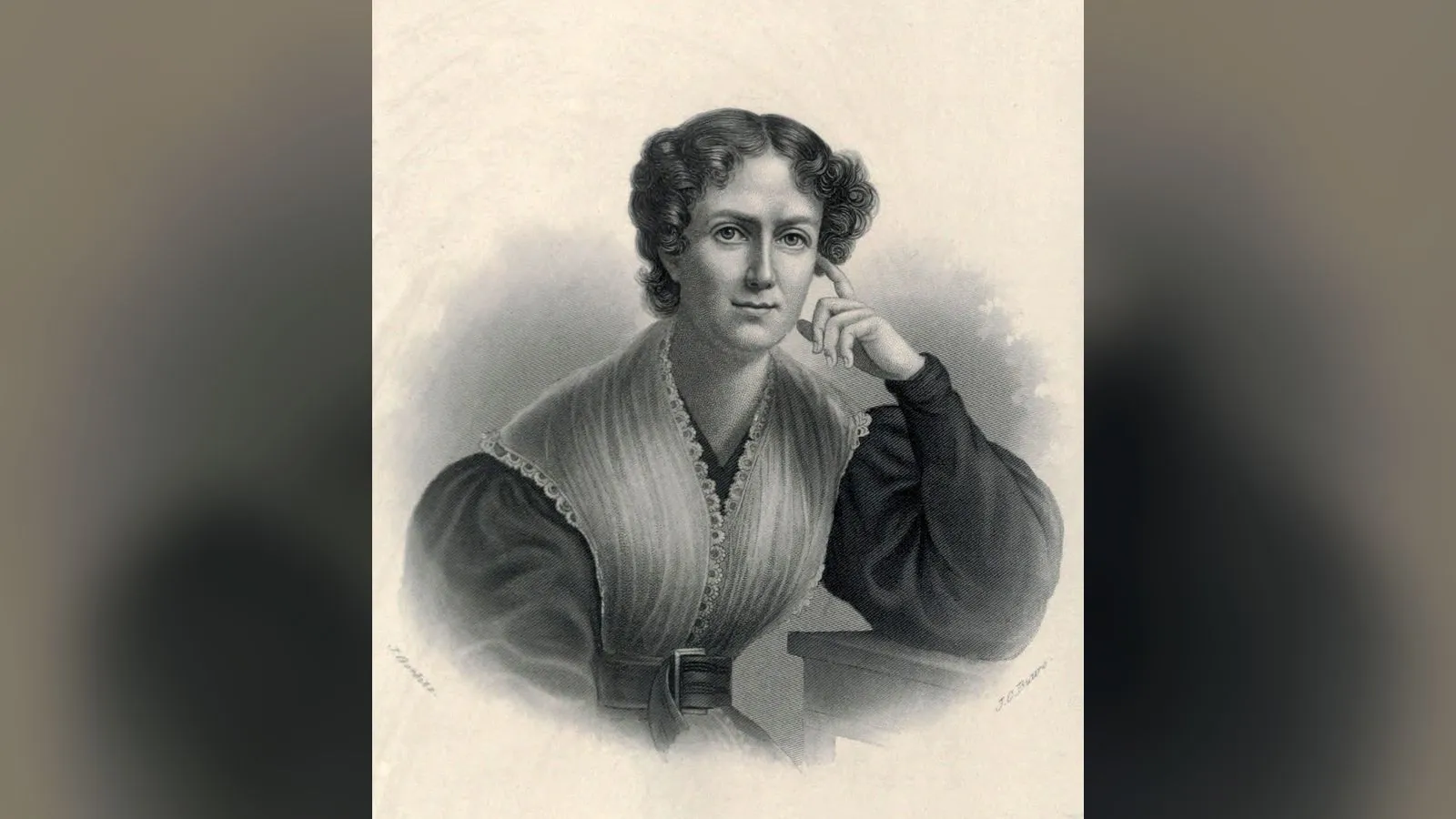
Frances Wright was born in Dundee.
28 December 1798
Thomas Henderson, later the first Astronomer Royal for Scotland, was born in Dundee.
27 May 1812
Robert Stirling Newall, wire rope manufacturer, was born in Dundee, son of merchant Walter Newall.
From Robert Stirling Newall: The Dundee Engineer Who Spun the World's First Lifeline of Steel
10 September 1828
Patrick Bell's reaping machine is said by many websites and a 2008 Dundee Courier article to have had its first public trial at Powrie Farm near Dundee.
6 March 1834
The town of York was incorporated as the city of Toronto, and the Dundee-born radical William Lyon Mackenzie was chosen its first mayor.
From William Lyon Mackenzie (1795–1861): The Dundee Firebrand Who Led the Upper Canada Rebellion
25 July 1835
James Bowman Lindsay demonstrated a constant electric light in Dundee, 44 years before Edison.
15 January 1836
James Bowman Lindsay gave a public lecture with demonstrations of his electric light at Thistle Hall, Dundee.
21 April 1837
James Bowman Lindsay gave a public lecture with demonstrations at Thistle Hall, Dundee, following up his electric light work.
8 February 1838
James Chalmers of Dundee submitted an adhesive postage 'slip' proposal to the General Post Office that explicitly referred to 'Mr Hill's plan'; it was received on 17 February.
From The Postage Stamp: Did Dundee's James Chalmers Really Invent It?
10 February 1838
James Chalmers produced a Dundee essay for an adhesive stamp bearing the line cancellation 'DUNDEE 10th February, 1838', described as the first such essay showing a dated cancellation.
From The Postage Stamp: Did Dundee's James Chalmers Really Invent It?
22 August 1847
John Forrest, son of Scottish servants from Bervie and Dundee and later Western Australia's first premier, was born at Preston Point, near Bunbury.
From Sir John Forrest: The Servants' Son Who Became Western Australia's First Premier
26 August 1853
James Chalmers, the Dundee bookseller and postal reformer, died in Dundee and was buried in the Howff cemetery.
From The Postage Stamp: Did Dundee's James Chalmers Really Invent It?
5 June 1854
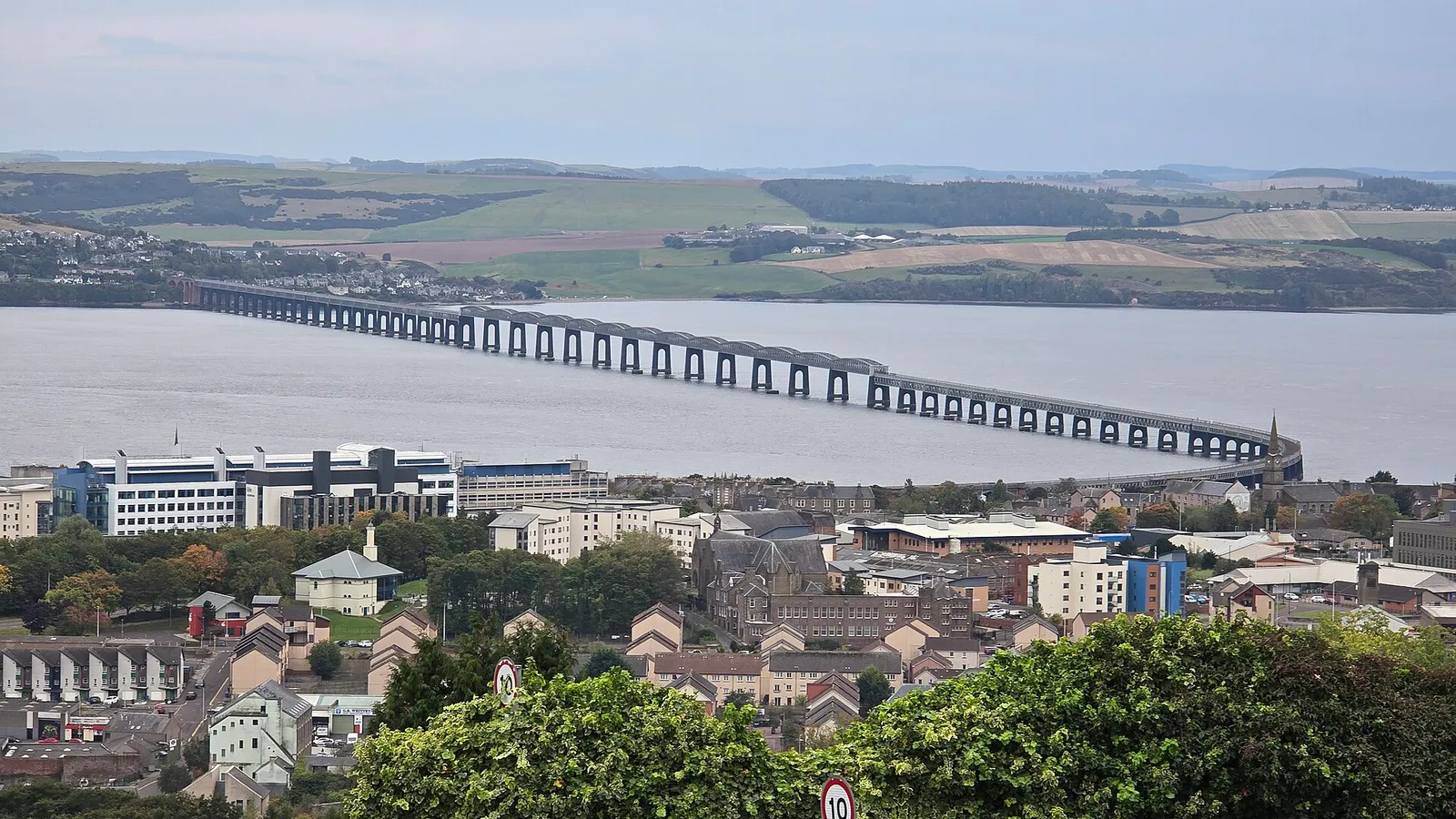
James Bowman Lindsay patented a method of transmitting messages through and across bodies of water, and that year signalled across the Tay from Dundee to Woodhaven.
15 May 1857
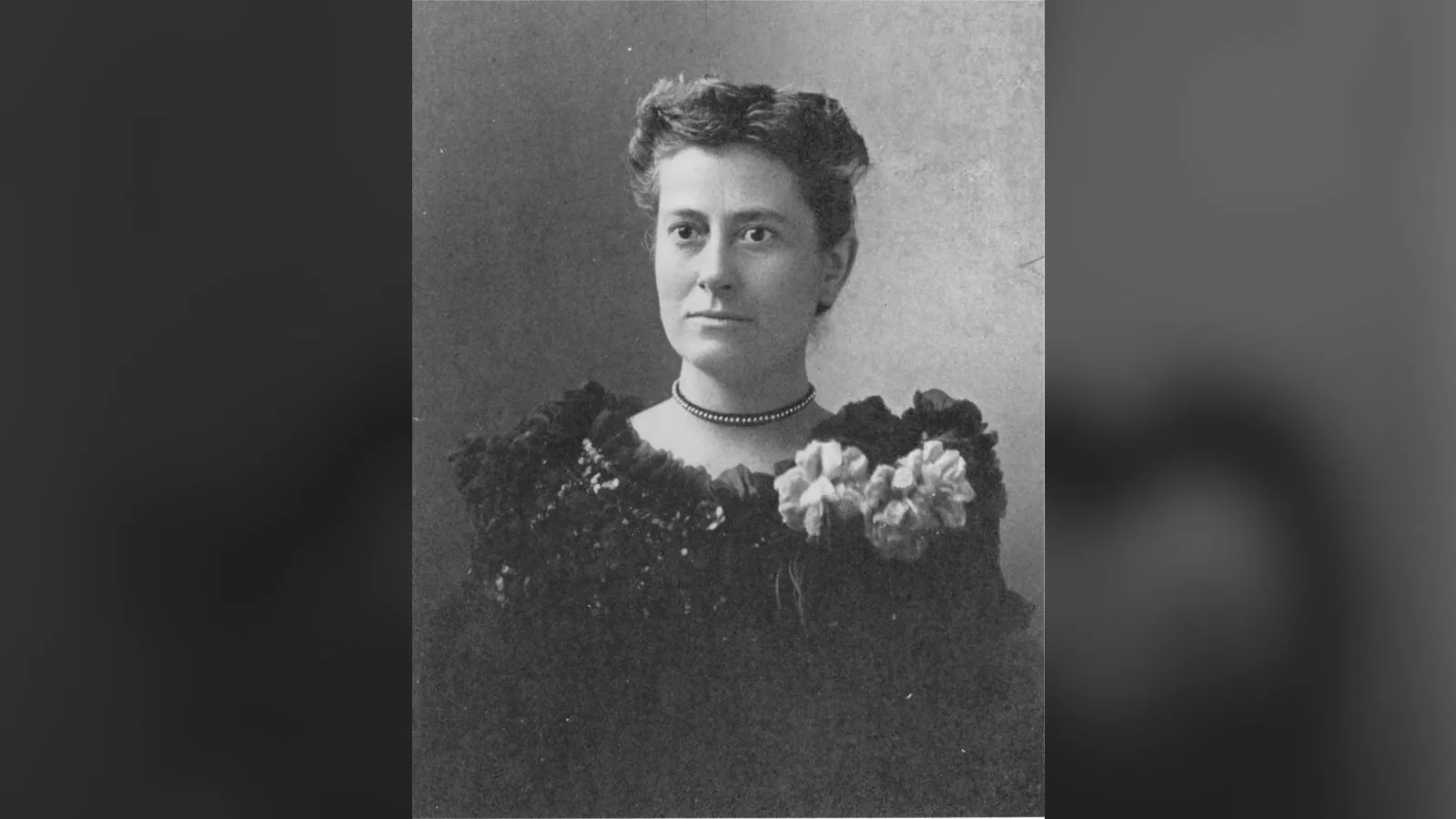
Williamina Fleming, later a pioneering astronomer, was born at 86 Nethergate, Dundee.
28 August 1861
William Lyon Mackenzie, the Dundee firebrand who led the Upper Canada Rebellion and was Toronto's first mayor, died in Toronto.
From William Lyon Mackenzie (1795–1861): The Dundee Firebrand Who Led the Upper Canada Rebellion
29 June 1862
James Bowman Lindsay died in Dundee, unmarried, and was buried in the Western Cemetery.
17 December 1874
William Lyon Mackenzie King, Canada's longest-serving Prime Minister and grandson of the Dundee rebel William Lyon Mackenzie, was born at Berlin, now Kitchener, Ontario.
From William Lyon Mackenzie King (1874–1950): Canada's Longest-Serving Prime Minister
26 May 1877
The Dundee-born Stevens, aged twenty, married James Orr Fleming, an accountant and widower, in Dundee; they emigrated to Boston the following year.
More stories that mention Dundee
- Dundee Jute (Industry)
- Dundee Design & Illustration (Arts)
- Dundee Whaling: Ships in the Ice and Oil for Jute (Industry)
- Dundee Cake: Almonds, Fruit and a Royal Legend (Food & Drink)
- Dundee Video Games: From Lemmings to Grand Theft Auto (Industry)
- William McGonagall: The Poet Who Would Not Stop (Great Scots)
- Dundee Marmalade: Keiller's, Seville Oranges and a Shipwreck Legend (Food & Drink)
- Post-War University Expansion (Education)
- Dundee Comics: Beano, Dandy, Oor Wullie & The Broons (Arts)
- Brian Cox (b. 1946) (Great Scots)
- Scottish Capital in the American West: Dundee Money and the Cattle Kingdom (Diaspora)
- Glenbuck and the Cherrypickers: The Ayrshire Village That Made Footballers (Sport)
Nearby
Everything here links to the article that sets out the evidence. Birth and death places come from our Great Scots articles; nearby districts and sites are counted with the town.