Discoveries · Card No. 44 · Medicine
Eyes, Voice, Movement: The Glasgow Coma Scale
In 1974, two neurosurgical clinicians working at a Glasgow hospital replaced decades of vague, inconsistent medical language for describing unconsciousness with three simple, observable measurements. The result became one of the most widely used clinical tools in the history of medicine — and it is a Glasgow story, not, strictly, a Scottish one in the personal sense.
Graham Teasdale · b. 1940Bryan Jennett · 1926–2006Medicine · NeurosurgeryGlasgow, ScotlandReading time · 21 minUpdated 10 August 2026
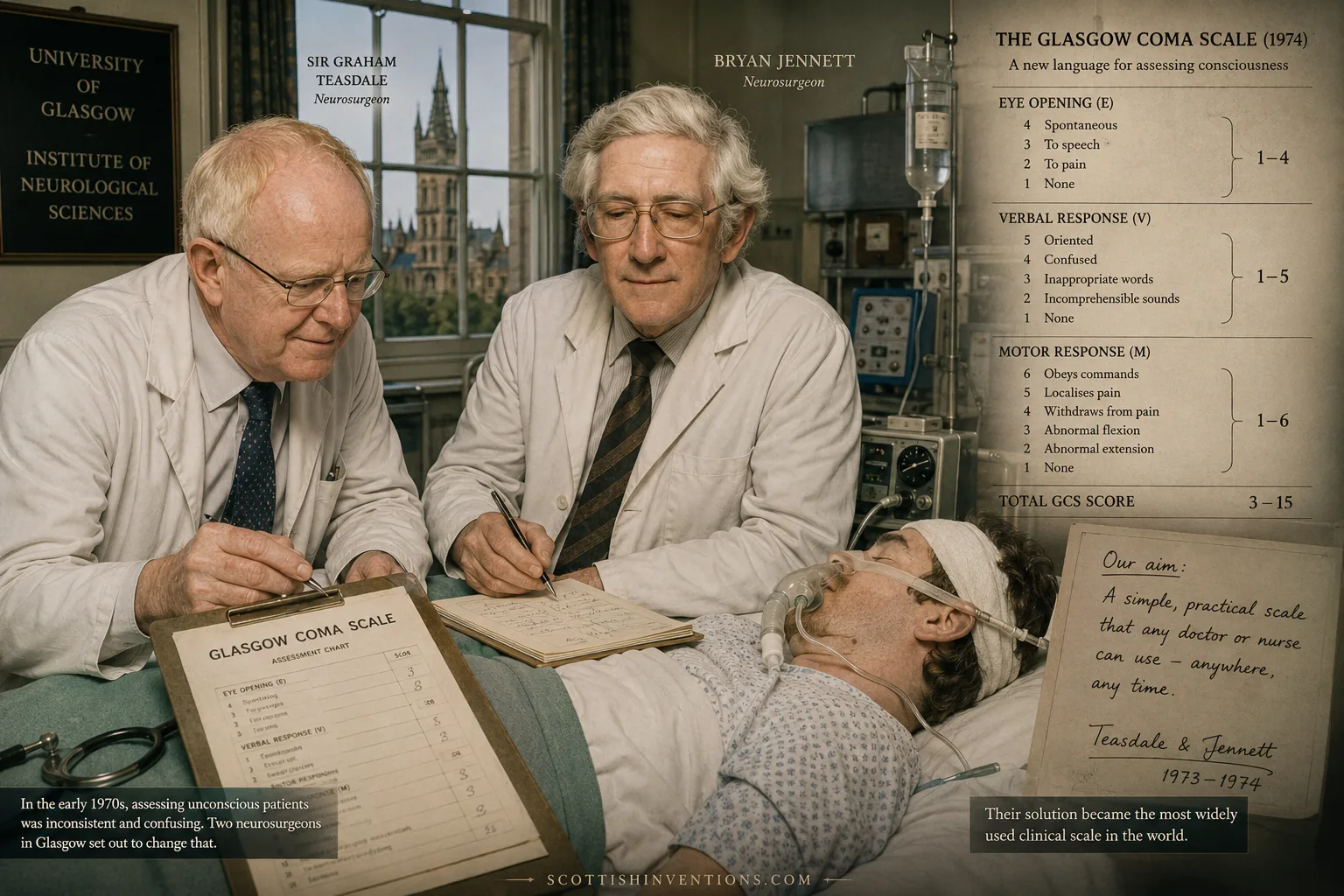
The Glasgow Coma Scale — in brief
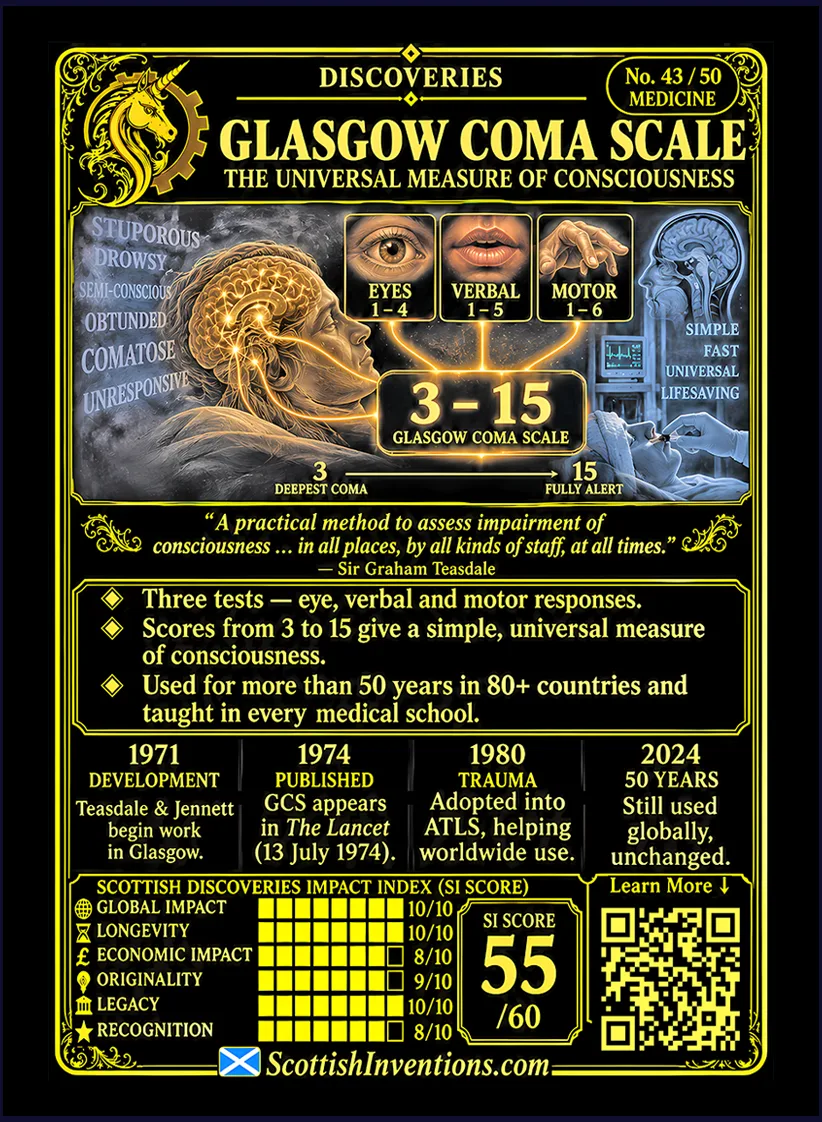
Graham Teasdale and Bryan Jennett, working at the Institute of Neurological Sciences at the Southern General Hospital in Glasgow, published "Assessment of coma and impaired consciousness: a practical scale" in The Lancet on 13 July 1974. It scored a patient's eye-opening, verbal and motor responses separately, replacing prose terms such as "stuporous" and "semi-comatose" that meant different things to different clinicians. Within a few years the three scores were summed into the now-familiar 3–15 total, and the scale spread into ambulance protocols, emergency departments, intensive care units and formal systems such as APACHE II, TRISS and NICE head injury guidance worldwide. Both authors were English-born — Teasdale in Cumbria, Jennett in Twickenham, London — so the Scottish claim here rests squarely on the city, hospital and institution where the work was done, not on the nationality of the two doctors who did it.
Scottish Impact Index (SI Score)
- Global Impact
- 10/10
- Longevity
- 10/10
- Economic / Material Impact
- 7/10
- Originality / Distinctiveness
- 9/10
- Legacy (Built Upon)
- 9/10
- Recognition
- 6/10
Glasgow Coma Scale — Key Facts
- Discovery
- The Glasgow Coma Scale (1974) — a simple, reproducible bedside scale for assessing the level of consciousness after brain injury
- Authors
- Graham Teasdale and Bryan Jennett
- Teasdale born
- 1940, Cumbria, England — not Scotland
- Jennett born
- 1926, Twickenham, London, England — not Scotland
- Institution
- Institute of Neurological Sciences, Southern General Hospital, Glasgow
- Publication
- "Assessment of coma and impaired consciousness: a practical scale," The Lancet, 13 July 1974
- Original scale
- Eye-opening, verbal and motor responses scored separately; a 14-point version omitting one motor grade appeared first, refined to today's 15-point form
- Summed score formalised
- 1976–1977 — the now-familiar single 3–15 total was proposed slightly after the original 1974 paper
- What it replaced
- Vague, non-standardised terms such as 'stuporous', 'semi-comatose' and 'obtunded' that varied wildly between clinicians and hospitals
- Later incorporated into
- APACHE II severity-of-illness scoring, the TRISS trauma-outcome method, and NICE head injury guidance (UK)
- Key extension
- GCS-Pupils (GCS-P), 2018 — combining the motor/verbal/eye score with pupil reactivity for improved outcome prediction
- Known limitations
- Cannot be scored normally in intubated or sedated patients; inter-rater reliability varies, especially for the verbal component; separate paediatric versions are needed for pre-verbal children
- Claim status
- ESTABLISHED as a Glasgow-based clinical achievement — the scale was devised, tested and published at a Glasgow institution — but the claim is explicitly institutional and civic, not a claim about the nationality of its authors, who were both born in England
The Problem: "Stuporous" and "Semi-Comatose"
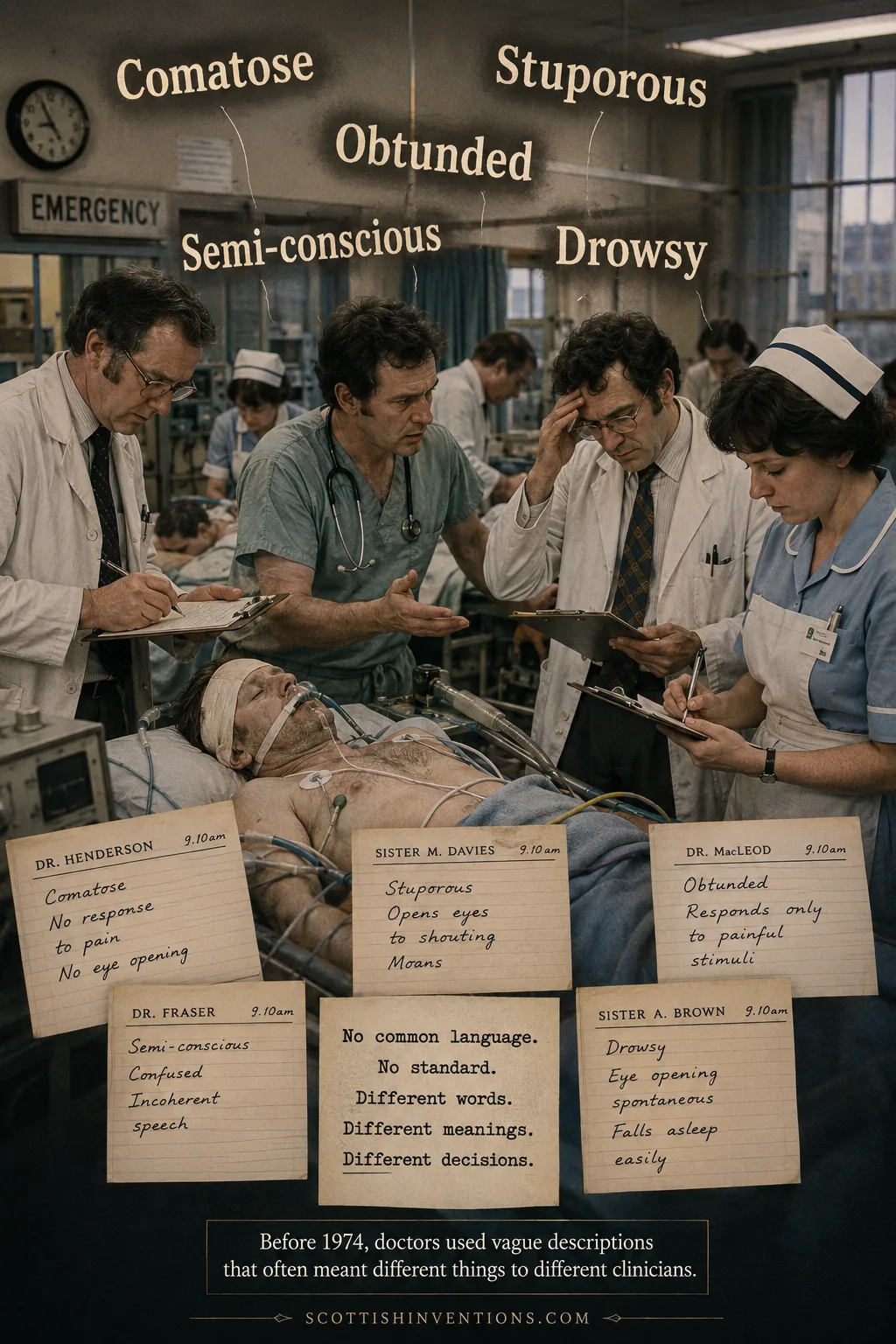
Before 1974, a doctor writing in a patient's notes after a head injury had, in practice, only prose to work with. A patient might be described as "drowsy," "stuporous," "semi-comatose," "obtunded," or "deeply unconscious." These terms sound clinical, but none of them had an agreed, testable definition. One doctor's "stuporous" could be another doctor's "semi-comatose"; a nurse recording a patient's state at the start of a night shift might use different language from the doctor who examined the same patient two hours earlier. For a condition — traumatic brain injury — where the single most important clinical question is often simply "is this patient getting better or worse, right now, compared with an hour ago," this vagueness was a serious practical problem, not merely an inconvenience of vocabulary.
It also crippled research. If different hospitals and different studies of head injury used different, undefined language to describe severity, results could not be reliably compared, treatments could not be fairly evaluated against one another, and predicting a patient's likely outcome from admission data was little more than experienced guesswork. Neurosurgeons dealing with large numbers of head-injured patients needed something more basic than a better vocabulary: they needed a small number of observable, testable signs that any trained member of staff could check and score the same way, every time.
The Institute of Neurological Sciences
The setting for this work was the Institute of Neurological Sciences, based at the Southern General Hospital in Glasgow. Bryan Jennett, appointed to the city's newly created chair of neurosurgery in 1968, built the unit into one of the leading centres in Britain for the treatment and study of severe head injury, at a time when road traffic accidents and industrial injuries were producing large numbers of patients with traumatic brain injury and comparatively little rigorous, standardised research into how best to assess or treat them.
Graham Teasdale joined the Glasgow unit in the early 1970s. Working alongside Jennett and the wider nursing and medical staff of the department, Teasdale focused on the practical, day-to-day question of how consciousness was actually assessed on the ward — and how badly served that assessment was by the existing vocabulary. It was this specific combination of a large, well-organised head-injury service, a research-minded leadership under Jennett, and Teasdale's close attention to bedside practice that produced the conditions for the scale's development. The achievement is, in this precise sense, inseparable from the Glasgow institution in which it was carried out.
1974: The Lancet Paper
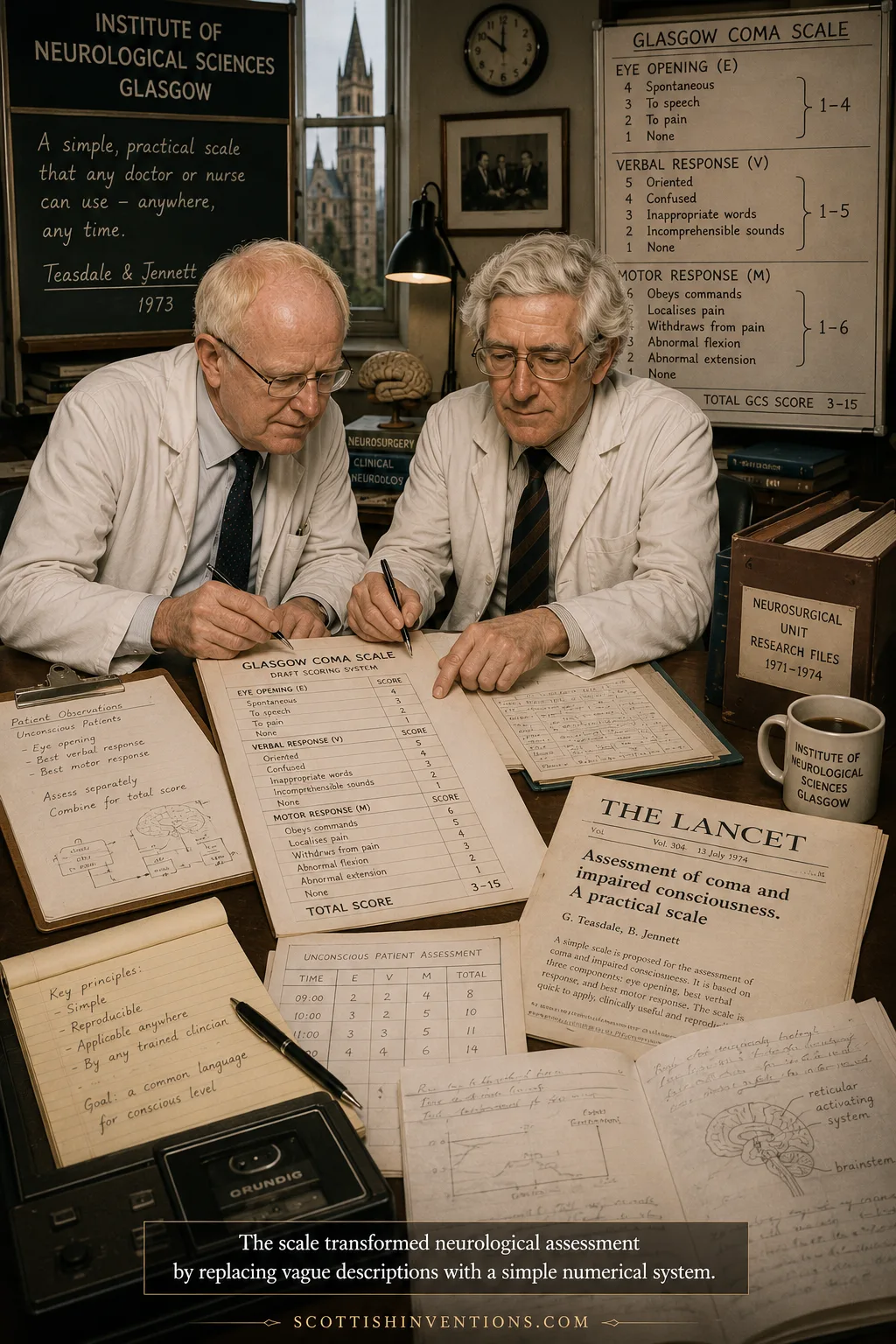
On 13 July 1974, The Lancet published Teasdale and Jennett's paper, "Assessment of coma and impaired consciousness: a practical scale." Its central proposal was disarmingly simple: rather than trying to describe a patient's overall state in a single prose judgement, an observer should separately assess and record three distinct types of response — whether and how the patient opens their eyes, what kind of verbal response they produce, and what kind of motor response they show, for example to a spoken command or a painful stimulus.
Each of these three components was given a small number of clearly defined, ordered categories — for instance, eye opening ranging from "none" through "to pain," "to speech," and finally "spontaneously." Crucially, these categories were chosen to be things any trained observer, not just a senior neurosurgeon, could check in a couple of minutes at the bedside, without special equipment. The paper's real innovation was not medical sophistication but disciplined simplicity: a small, teachable, testable framework that a junior nurse on a night shift could apply exactly as reliably as a consultant.
Eyes, Voice, Movement
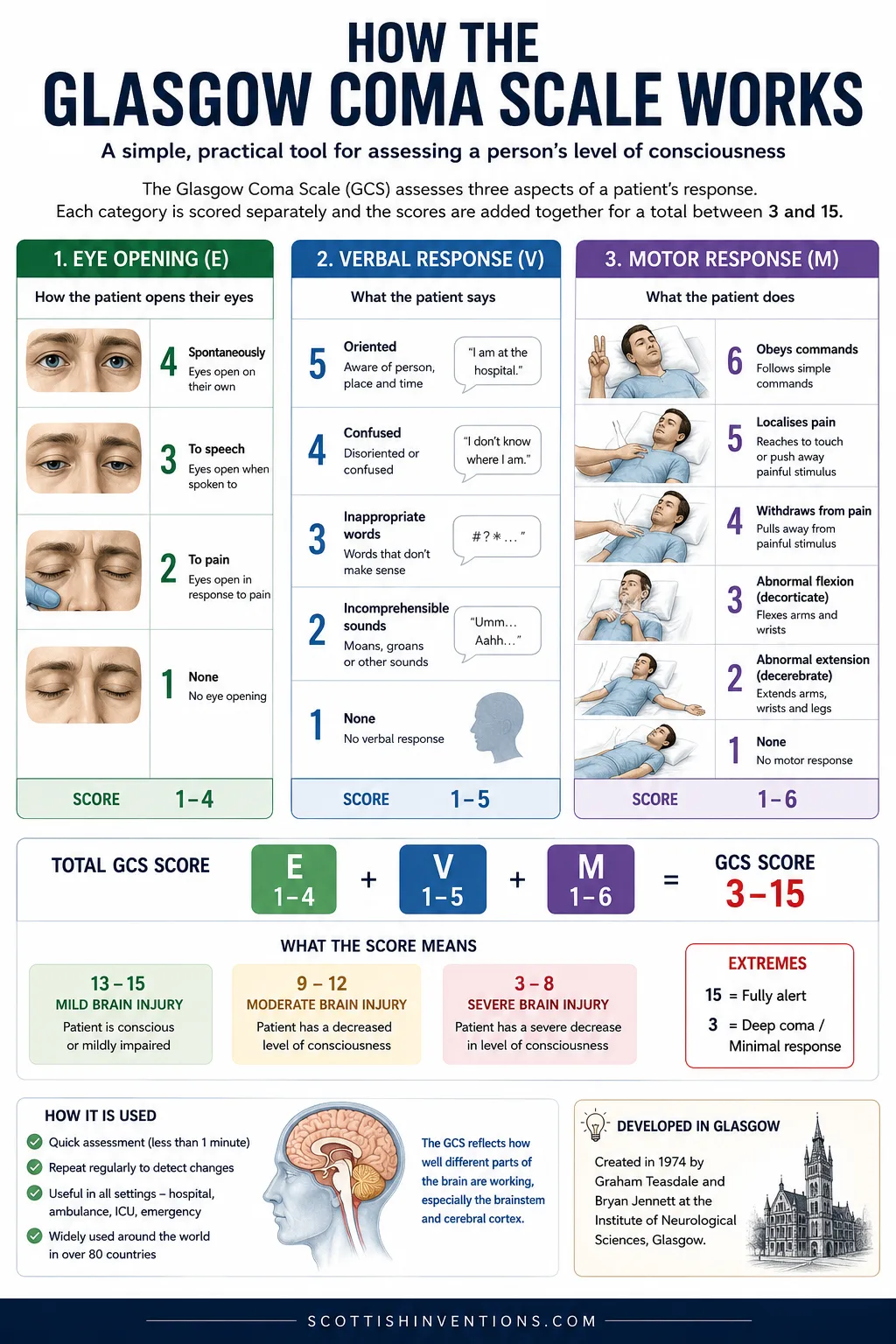
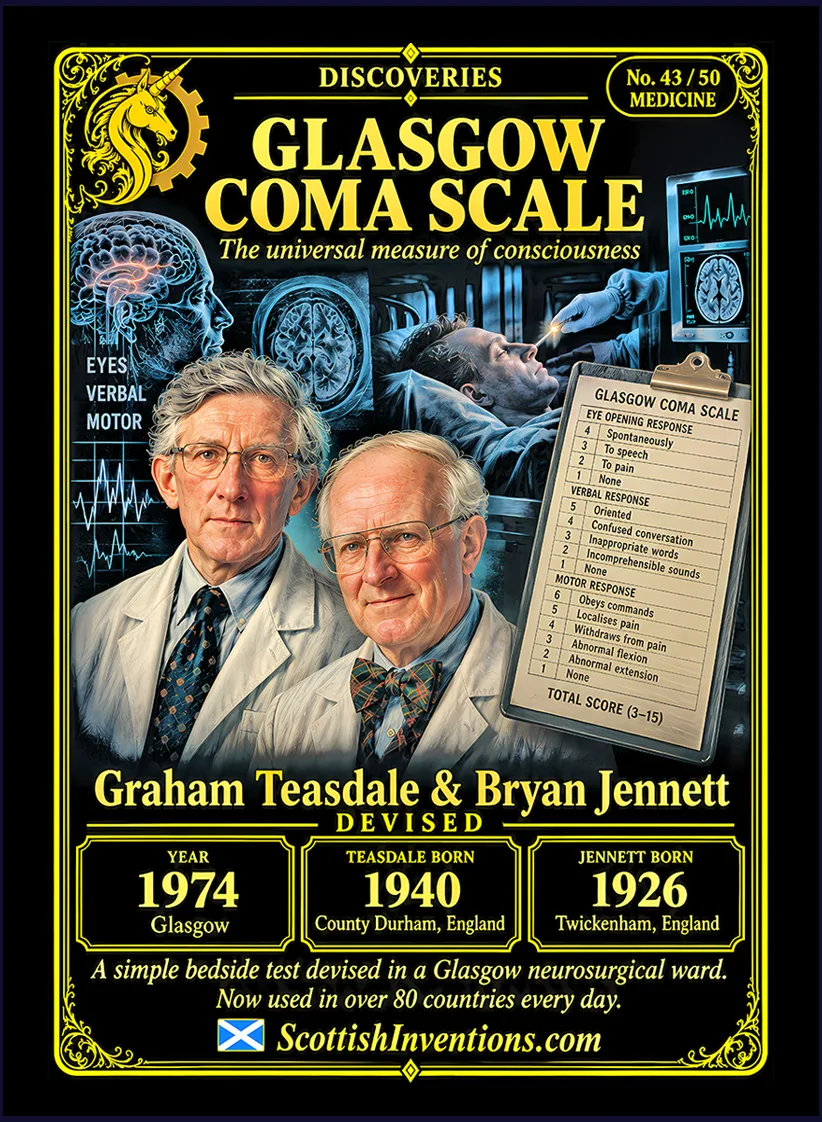
The eye-opening component asked simply whether, and under what circumstance, a patient opened their eyes: not at all; in response to a painful stimulus; in response to speech; or spontaneously, without any prompting. The verbal component assessed the best speech response obtainable, from no sounds at all, through incomprehensible sounds, inappropriate words, and confused conversation, up to full orientation — a patient who could correctly state who they were, where they were, and roughly when it was.
The motor component, generally regarded as the single most informative of the three for predicting outcome, assessed the best movement response a patient could produce, ranging from no movement at all, through abnormal reflex postures associated with severe brain injury, up to a patient who could obey a simple spoken command normally. Deliberately, the original paper presented these three components as a profile — three separate figures reported together — rather than immediately reducing them to a single combined number, on the view that collapsing three genuinely different kinds of clinical information into one figure risked losing information that mattered.
From Profile to Single Number
In practice, clinicians quickly found real value in having one number they could chart on a bedside observation sheet and watch trend up or down over hours and days. In the years immediately following the original 1974 paper — generally dated to around 1976–1977 — Teasdale, Jennett and colleagues formalised the practice of summing the three component scores into a single total, running from a minimum of 3 (the lowest possible score on all three components, indicating the deepest level of unresponsiveness assessed) to a maximum of 15 (a fully alert, oriented patient).
It is worth being precise about the scale's own early history here, since accounts sometimes flatten it: an early version of the motor scoring briefly produced a 14-point maximum, before the number and definitions of motor-response categories were refined to the six-category scheme used in the modern, 15-point version. This was not sloppiness on the part of the original authors so much as the ordinary, iterative process by which a genuinely useful clinical tool gets tightened up once large numbers of clinicians start actually using it on real patients.
Global Adoption
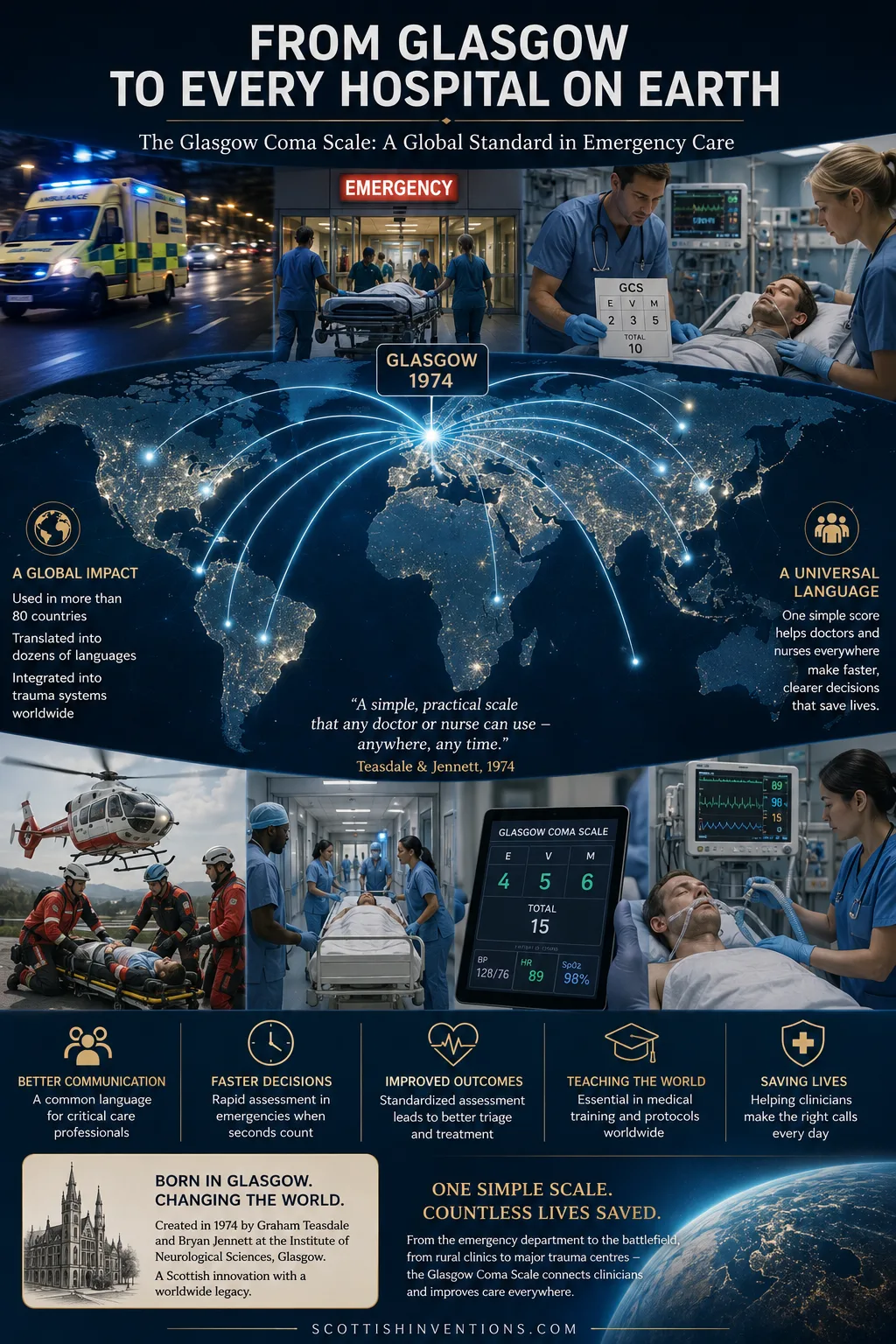
The scale's simplicity — no equipment beyond a torch and a few minutes of observation, and a scoring system teachable to any member of clinical staff — drove its spread far beyond Glasgow through the late 1970s and 1980s. Ambulance services adopted it for prehospital assessment of trauma and medical patients, letting paramedics communicate a patient's neurological state to a receiving hospital in a single, unambiguous number before the patient even arrived. Emergency departments and intensive care units built it into routine observation charts worldwide.
The Glasgow Coma Scale was also absorbed into larger formal scoring systems. It became one of the core physiological variables in APACHE II, the Acute Physiology and Chronic Health Evaluation system widely used to assess severity of illness in intensive care units internationally. It was built into TRISS, the Trauma and Injury Severity Score, used to predict survival probability after traumatic injury by combining physiological measurements, including the GCS, with anatomical injury scoring. In the United Kingdom, the National Institute for Health and Care Excellence (NICE) has, since 2003, built specific GCS score thresholds directly into its head injury guidance, determining when patients should receive CT imaging, specialist referral, or hospital admission.
Limitations and Critiques
No clinical scale designed in 1974 survives fifty years of intensive real-world use without exposing limitations, and the Glasgow Coma Scale is no exception. The most immediately practical problem is that the verbal component cannot be assessed normally in patients who are intubated — that is, who have a breathing tube in place, as many of the most severely injured patients in intensive care do. Clinicians must instead record the verbal score as untestable, or use estimation methods, both of which complicate direct comparison between patients.
Sedative drugs, alcohol intoxication, and injuries to the face or eyes can likewise distort individual components in ways the original scale was not designed to account for. A substantial body of later research has also examined inter-rater reliability — how consistently different observers score the same patient — and found meaningful variation, particularly for the verbal and motor components, between clinicians with different levels of training and experience. Because the original scale assumed a patient old enough to speak and follow verbal commands, separate paediatric versions have been developed for infants and young children who cannot meet those assumptions.
The inter-rater reliability literature deserves closer attention than a single sentence usually gives it, because it is the strongest evidence-based criticism the scale has attracted. Studies going back to the 1990s, and repeated with larger samples in the 2000s and 2010s, have asked groups of nurses, junior doctors and paramedics to independently score the same videotaped or simulated patients, then compared their results. Agreement on eye-opening has generally been good. Agreement on the motor response has been reasonable but imperfect, since distinguishing "localising to pain" from "normal flexion to pain", for instance, requires a judgement call that experienced and inexperienced observers do not always make the same way. Agreement on the verbal component has been the weakest of the three, worsened by the fact that it is the component most often untestable in the sickest patients. Some reviews have concluded that overall inter-rater reliability, while adequate for routine clinical trending of a single patient over time, is not as high as many clinicians assume, and that this matters most in exactly the settings — chaotic prehospital scenes, overnight emergency departments, communication between shifts — where precise, low-error scoring is most needed.
These findings have produced a genuine, ongoing debate about alternatives, rather than a fringe objection easily dismissed. AVPU (Alert, responds to Voice, responds to Pain, Unresponsive) offers a much faster, coarser assessment useful for rapid initial triage, at the cost of far less discriminating power than the full GCS. The simplified motor score, which collapses the motor component down to three categories — obeys commands, localises pain, or does neither — has been shown in several studies to predict outcome almost as well as the full 15-point scale while being markedly quicker and more reproducible to apply, and it has found particular favour in prehospital and disaster-triage settings. The FOUR score (Full Outline of UnResponsiveness), developed at the Mayo Clinic in the early 2000s, was designed specifically to address the GCS's weakest point by replacing the verbal component altogether with assessments of brainstem reflexes and breathing pattern, allowing a meaningful score to be generated even in intubated, unresponsive patients where the GCS verbal score cannot be assessed at all.
None of these alternatives has displaced the Glasgow Coma Scale as the default international standard, and the reasons why are instructive. The GCS has five decades of accumulated outcome data behind it, against which every newer tool must be validated rather than simply asserted to be better. It is embedded in training curricula, electronic health records, national guidelines and international trauma registries in ways that make wholesale replacement logistically difficult even where a rival scale performs marginally better on paper. And its very familiarity is itself a form of reliability: a nurse, paramedic or junior doctor anywhere in the world who says a patient's GCS is "8" is understood immediately by colleagues who trained in an entirely different country, which is a property newer, more technically refined scales have generally struggled to match.
GCS-Pupils, 2018
In 2018, more than four decades after the original Lancet paper, Graham Teasdale led an international group of trauma and neurosurgical researchers in publishing GCS-Pupils (often abbreviated GCS-P), an extension that combines the standard eye/verbal/motor score with a simple bedside assessment of pupil reactivity to light. Pupil reactivity had long been recognised separately as an important prognostic sign in severe brain injury, and combining it with the GCS score into a single figure was shown to improve prediction of outcome, particularly among the most severely injured patients at the low end of the scale, where the standard GCS alone has historically had less discriminating power.
GCS-Pupils is a useful example of how the scale has continued to evolve well beyond its Glasgow origins, through collaboration with researchers and clinicians in multiple countries analysing large, multi-centre trauma datasets — a reminder that, much like the original scale, its later refinement has been a genuinely international, collaborative undertaking rather than the work of any one person or place acting alone.
Wider Careers: PVS, the Outcome Scale and the 40th Anniversary
The Glasgow Coma Scale was the most famous product of the Glasgow unit, but it was not the only one, and understanding Bryan Jennett's and Graham Teasdale's wider careers helps explain why the scale succeeded where a less well-supported piece of clinical work might not have. Jennett's own research agenda, throughout the 1970s, was concerned less with the moment of injury than with what happened afterward: how to measure recovery, and how to describe patients who survived a severe brain injury but did not regain meaningful awareness. In 1972, working with the American neurologist Fred Plum of Cornell University Medical College, Jennett co-authored a paper in The Lancet titled "Persistent vegetative state after brain damage: a syndrome in search of a name." The paper gave a clinical name and a working definition to a condition that had previously been described only inconsistently — wakefulness without apparent awareness, eyes open and sleep-wake cycles present, but no evidence of purposeful response to the environment — and the term "persistent vegetative state" it introduced entered clinical, legal and public usage internationally, later informing landmark right-to-die legal cases in Britain and the United States.
Jennett followed this work with a second, closely related contribution: a standard way of measuring recovery after severe brain injury, published with Michael Bond in The Lancet in 1975 as "Assessment of outcome after severe brain damage." This became known as the Glasgow Outcome Scale (GOS), a simple five-category classification — ranging from death, through persistent vegetative state, severe disability and moderate disability, to good recovery — designed to let researchers compare results across different treatments, hospitals and countries using a common, if deliberately coarse, yardstick. Where the Glasgow Coma Scale measured a patient's condition at the point of injury, the Glasgow Outcome Scale measured where that patient ended up months later, and together the two scales gave head-injury research a shared vocabulary for the entire arc of a case, from initial assessment to final outcome. The GOS, later refined into an eight-category "extended" version (GOS-E), remains a standard endpoint in traumatic brain injury trials to this day. Jennett also wrote extensively on the ethics and epidemiology of severe brain injury and on the introduction of CT scanning into neurosurgical practice, and he served as Dean of the Faculty of Medicine at the University of Glasgow before his death in 2006.
Graham Teasdale's career continued for decades after the 1974 paper, much of it spent testing, defending and refining the very scale he had helped create rather than resting on its early success. He held the chair of neurosurgery at the University of Glasgow, served as president of the Society of British Neurological Surgeons, and remained closely involved in international head-injury research long after Jennett's death. In 2014, on the fortieth anniversary of the original Lancet paper, Teasdale led a formal reassessment of the scale, published in The Lancet Neurology under the title "The Glasgow Coma Scale at 40 years: standing the test of time." That paper did not simply celebrate the scale's longevity; it took the accumulated reliability criticism seriously, reviewed decades of validation and inter-rater studies, and used the anniversary as an occasion to relaunch a more explicitly structured approach to applying the scale correctly — standardising terminology, clarifying ambiguous scoring situations such as intubated or heavily sedated patients, and issuing renewed international training materials and a coordinated set of assessment aids intended to reduce exactly the kind of observer variability the reliability literature had identified. The 2014 reassessment is a rare example of the original authors of a widely used clinical tool publicly auditing their own creation against decades of independent evidence, rather than leaving that scrutiny entirely to others.
Teasdale and Jennett: The English Origins of a Glasgow Discovery
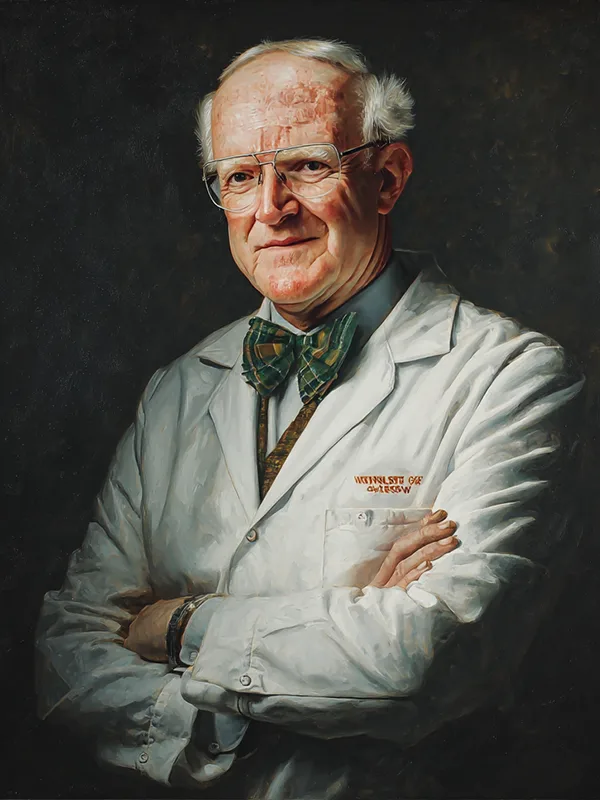
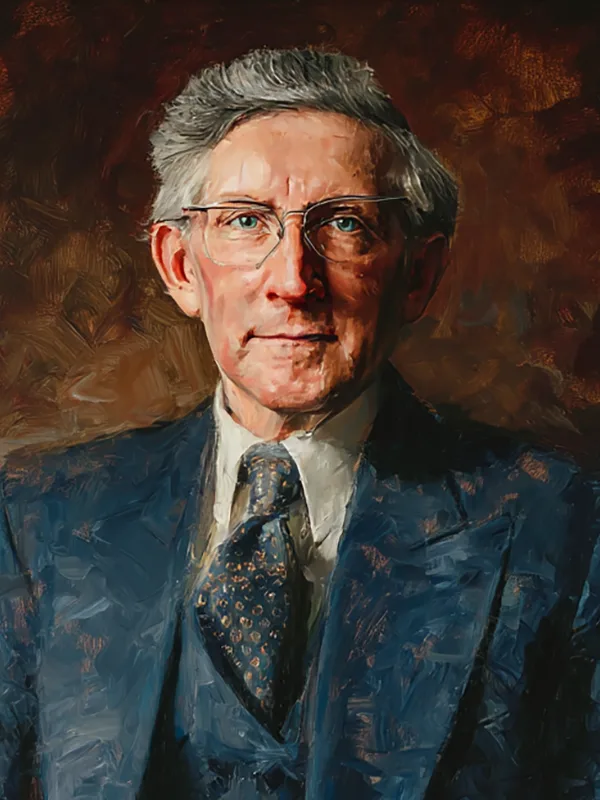
It needs to be stated plainly, because this site's editorial standard is accuracy over patriotism: both Graham Teasdale and Bryan Jennett were born in England, not Scotland. Teasdale was born in 1940 in Cumbria; Jennett was born in 1926 in Twickenham, in London. Neither man is Scottish by birth, upbringing or early education, and this article does not describe either of them as Scottish.
What makes the Glasgow Coma Scale a Scottish discoveries entry is not the two men's nationality but the place, institution and body of collaborative work behind it. Jennett moved to Glasgow in 1968 to take up the city's newly created chair of neurosurgery and built the Institute of Neurological Sciences at the Southern General Hospital into a leading centre for head-injury treatment and research. Teasdale joined that Glasgow unit in the early 1970s, and it was there, working within Jennett's department, drawing on the observations of the wider nursing and junior medical staff who tested the scale on real patients, and later validated through international collaboration with researchers well beyond Scotland, that the scale was conceived, developed and first published. The claim this site makes is precise: Glasgow gave the world the Glasgow Coma Scale; England gave Glasgow the two doctors who built it there.
Myth vs Evidence
Myth
Graham Teasdale and Bryan Jennett were Scottish.
Evidence
Neither was. Teasdale was born in Cumbria, England, in 1940; Jennett was born in Twickenham, London, England, in 1926. Both trained and built their earlier careers in England before moving to Glasgow, where Jennett was appointed to the city's new chair of neurosurgery in 1968. The Glasgow Coma Scale is a Glasgow achievement — devised, tested and published at a Glasgow institution — not a claim about the birthplace or nationality of the two doctors who created it.
Myth
The Glasgow Coma Scale gives a single score straight out of the 1974 paper.
Evidence
It does not, quite. The original 1974 Lancet paper by Teasdale and Jennett described eye, verbal and motor responses as a profile of three separate observations, deliberately avoiding a single combined number at first, partly because collapsing three different kinds of information into one figure can obscure clinically important detail. The now-familiar single summed score, ranging from 3 to 15, was proposed in the years immediately following, around 1976–1977, once clinicians had seen how useful a single trackable number could be for charting and comparison.
Myth
The Glasgow Coma Scale can be used on any patient exactly as originally designed.
Evidence
It cannot, in an important and commonly encountered case: patients who are intubated (with a breathing tube in place) cannot produce a normal verbal response, and the verbal component must instead be recorded as untestable or estimated, which complicates comparison between patients. Sedation, alcohol, drugs and severe facial or eye trauma can likewise distort scores in ways the original scale was not designed to handle, and separate paediatric versions are needed for children too young to speak or follow commands.
Myth
The scale has remained unchanged since 1974.
Evidence
It has not. The summed 3–15 score followed a few years after the original paper; a 14-point motor-limited version briefly existed before today's more granular motor scale was settled upon; and in 2018 Teasdale, working with international collaborators, published GCS-Pupils, an extension that adds pupil reactivity to improve outcome prediction, particularly in the most severely injured patients.
Myth
The Glasgow Coma Scale was developed purely by Teasdale and Jennett working alone.
Evidence
The two men are correctly credited as the paper's authors, but the scale's development and validation depended on the wider clinical and academic environment Jennett had built at the Institute of Neurological Sciences in Glasgow, on nursing and junior medical staff who tested and used the scale at the bedside, and on subsequent international collaborators — statisticians, trauma researchers and clinicians in other countries — whose large-scale studies through the late 1970s and 1980s confirmed the scale's reliability and predictive value well beyond its city of origin.
Timeline
| Date | Event | Detail |
|---|---|---|
| 1926 | Bryan Jennett is born in Twickenham, London, England | He trains in medicine in England before moving north to build a career in neurosurgery |
| 1940 | Graham Teasdale is born in Cumbria, England | He later trains in medicine and moves to Scotland to work in neurosurgery and neurology |
| 1968 | Bryan Jennett is appointed to the new chair of neurosurgery in Glasgow | Jennett establishes the Institute of Neurological Sciences at the Southern General Hospital as a major centre for head-injury research and treatment |
| Early 1970s | Teasdale joins Jennett's unit in Glasgow | The two begin working together on a long-standing clinical problem: the lack of any standard, reproducible way to describe a patient's level of consciousness after head injury |
| 1974 | Teasdale and Jennett publish "Assessment of coma and impaired consciousness: a practical scale" in The Lancet (13 July 1974) | The paper describes eye-opening, verbal and motor responses assessed and recorded separately, replacing prose descriptions such as 'stuporous' or 'semi-comatose' with a small number of clearly defined, observable response categories |
| 1976–1977 | The three component scores are formally summed into a single total | The now-famous 3–15 combined Glasgow Coma Scale score, allowing a single number to be charted, trended over time and compared between patients and between hospitals, is proposed in the years immediately following the original paper |
| Late 1970s–1980s | The scale spreads rapidly through UK neurosurgical and trauma units | Its simplicity — no special equipment, a few minutes at the bedside, usable by nurses and junior doctors as well as consultants — drives adoption well beyond Glasgow |
| 1980s | The GCS is incorporated into the APACHE (Acute Physiology and Chronic Health Evaluation) severity-of-illness scoring system | APACHE, widely used in intensive care units worldwide, uses the GCS as one of its core physiological variables |
| 1980s–1990s | The GCS becomes a core component of TRISS, the Trauma and Injury Severity Score | TRISS, used internationally to predict survival probability after traumatic injury, embeds the GCS alongside physiological and anatomical injury data |
| 1990s onward | Ambulance services and emergency departments worldwide adopt the GCS as a routine part of prehospital and emergency assessment | The scale becomes one of the most widely taught and used clinical tools in emergency medicine, neurology and critical care |
| 2003 | The UK's National Institute for Health and Care Excellence (NICE) issues head injury guidance built around GCS scoring thresholds | GCS bands become formal triggers for imaging, referral and admission decisions in the NHS, later revised in subsequent guideline updates |
| 2006 | Bryan Jennett dies | He is remembered chiefly for building the Glasgow neurosurgical unit and, with Fred Plum, for co-developing the concept of the persistent vegetative state |
| 2018 | GCS-Pupils (GCS-P) is published, led by Teasdale with international collaborators | The extension combines the standard GCS score with a simple assessment of pupil reactivity, improving outcome prediction, particularly at the most severe end of the injury spectrum |
What Glasgow Actually Gave Medicine
The Glasgow Coma Scale's importance lies in a modest, well-evidenced claim rather than an inflated one: two clinicians working at a specific Glasgow hospital, in a unit built for exactly this kind of research, replaced imprecise language with a short list of testable observations — and, within a decade, doctors, nurses and paramedics on every continent were using the same three-part assessment and the same 3–15 number to describe the same thing. That achievement belongs to Glasgow as an institution and a city, built by Bryan Jennett and developed further by Graham Teasdale together with the wider staff of the Institute of Neurological Sciences and, later, international collaborators.
It does not, and does not need to, belong to either man's birthplace. Teasdale and Jennett were English by birth; the achievement they built is Glaswegian by location, institution and collaborative practice. Stating both facts plainly, rather than quietly implying the men themselves were Scottish, is simply a more accurate account of what actually happened — and it is not a lesser claim for being a precise one.
Frequently Asked Questions
Who invented the Glasgow Coma Scale?
The Glasgow Coma Scale was devised by Graham Teasdale and Bryan Jennett, two neurosurgical clinicians working at the Institute of Neurological Sciences at the Southern General Hospital in Glasgow, and published in The Lancet on 13 July 1974 under the title "Assessment of coma and impaired consciousness: a practical scale."
Were Graham Teasdale and Bryan Jennett Scottish?
No, and this site does not claim they were. Graham Teasdale was born in Cumbria, England, in 1940, and Bryan Jennett was born in Twickenham, London, England, in 1926. Both were English-born doctors who moved to Glasgow to build and lead a neurosurgical and neurological research unit there. The Scottish claim for this discovery rests on where the work was done — the city, hospital and academic institution of Glasgow — not on the nationality or birthplace of the two authors.
Why is the Glasgow Coma Scale considered a Scottish discovery if its authors were English?
Because the scale was conceived, developed, tested and first published from a specific Glasgow institution — the Institute of Neurological Sciences at the Southern General Hospital, built up under Bryan Jennett's leadership from 1968 onward. This mirrors how many scientific and clinical achievements are credited: to the place, institution and body of collaborative work that produced them, rather than exclusively to the birthplace of the individuals involved. Describing the Glasgow Coma Scale as a Scottish achievement in this institutional sense is accurate; describing Teasdale or Jennett personally as Scottish would not be.
What problem did the Glasgow Coma Scale actually solve?
Before 1974, doctors and nurses recorded a patient's level of consciousness after head injury using imprecise prose terms such as 'stuporous', 'semi-comatose', 'obtunded' or 'drowsy'. These terms meant different things to different clinicians, varied between hospitals and even between shifts on the same ward, and made it very difficult to tell reliably whether a patient was improving or deteriorating over time, or to compare outcomes between different centres or studies. Teasdale and Jennett replaced this vocabulary with three separately scored, clearly defined observations — eye-opening, verbal response and motor response — that any trained observer could assess consistently in a few minutes at the bedside.
What are the three components of the Glasgow Coma Scale?
The three components are eye-opening response (ranging from no eye opening to spontaneous eye opening), verbal response (ranging from no sounds to fully oriented speech), and motor response (ranging from no movement to obeying commands normally), each scored on its own numeric scale. In the now-standard combined version these three component scores sum to a total ranging from 3 (the lowest, deepest level of unresponsiveness) to 15 (fully alert and oriented).
Did the 1974 paper already use the familiar 3–15 total score?
Not quite. The original 1974 Lancet paper presented eye, verbal and motor responses as a profile of three separate observations, rather than immediately collapsing them into one number. The now-familiar single summed score, running from 3 to 15, was proposed by Teasdale, Jennett and colleagues in papers published shortly afterward, around 1976–1977, once the practical value of a single trackable figure for charting and comparing patients had become clear. An early version of the scale, before today's more granular motor scoring was settled upon, also had a slightly different, 14-point maximum for a period.
Where is the Glasgow Coma Scale used today?
Almost everywhere in acute medicine, worldwide. It is used routinely by ambulance crews assessing patients at the roadside, by emergency department staff triaging trauma and medical patients, and by intensive care and neurosurgical teams monitoring patients over time. It forms one of the core physiological variables in the APACHE II severity-of-illness scoring system widely used in intensive care units, is embedded in the TRISS (Trauma and Injury Severity Score) method used internationally to predict survival after injury, and underpins scoring thresholds in the UK's NICE head injury guidance that determine when patients should be scanned, referred or admitted.
What are the main limitations of the Glasgow Coma Scale?
The scale cannot be scored normally in patients who are intubated, since they cannot produce a verbal response, requiring the verbal component to be recorded as untestable or estimated. Sedative drugs, alcohol, severe facial swelling or eye injuries can also distort individual components. Studies have found inconsistent inter-rater reliability, particularly for the verbal and motor components, between differently experienced observers. The original scale was designed for adults and older children able to speak and follow commands, so separate paediatric versions are used for infants and pre-verbal children.
What is GCS-Pupils, and who developed it?
GCS-Pupils (often written GCS-P) is a 2018 extension of the original scale that combines the standard eye/verbal/motor score with a simple assessment of pupil reactivity to light, producing a single combined figure with improved ability to predict outcomes, particularly in the most severely brain-injured patients. It was led by Graham Teasdale working with an international group of trauma and neurosurgical researchers, more than four decades after the original 1974 paper, reflecting continued refinement of the scale well beyond its Glasgow origins.
What else is Bryan Jennett known for?
Beyond the Glasgow Coma Scale, Bryan Jennett is best known for co-developing the concept of the persistent vegetative state with the American neurologist Fred Plum in 1972, describing a condition of wakefulness without awareness following severe brain injury. Jennett built the Institute of Neurological Sciences at the Southern General Hospital in Glasgow into one of the leading centres for head-injury research and outcome studies of his era.
Sources & Further Reading
Tier 1 · Primary
- Teasdale, G. & Jennett, B. — "Assessment of coma and impaired consciousness: a practical scale," The Lancet, 13 July 1974.
- Jennett, B. & Bond, M. — "Assessment of outcome after severe brain damage," The Lancet, 1975.
- Jennett, B. & Plum, F. — "Persistent vegetative state after brain damage: a syndrome in search of a name," The Lancet, 1972.
- Teasdale, G. et al. — "The Glasgow Coma Scale at 40 years: standing the test of time," The Lancet Neurology, 2014.
Tier 2 · Scholarly and institutional
- Teasdale, G. & Jennett, B. — "Assessment and prognosis of coma after head injury," Acta Neurochirurgica, 1976.
- Brennan, P.M., Murray, G.D. & Teasdale, G.M. — "Simplifying the use of prognostic information in traumatic brain injury: GCS-Pupils score," Journal of Neurosurgery, 2018.
- Knaus, W.A. et al. — "APACHE II: a severity of disease classification system," Critical Care Medicine, 1985.
- Boyd, C.R., Tolson, M.A. & Copes, W.S. — "Evaluating trauma care: the TRISS method," Journal of Trauma, 1987.
- National Institute for Health and Care Excellence (NICE) — Head Injury: Assessment and Early Management, Clinical Guideline, UK.
- University of Glasgow & NHS Greater Glasgow and Clyde — historical and biographical records on the Institute of Neurological Sciences, Southern General Hospital.